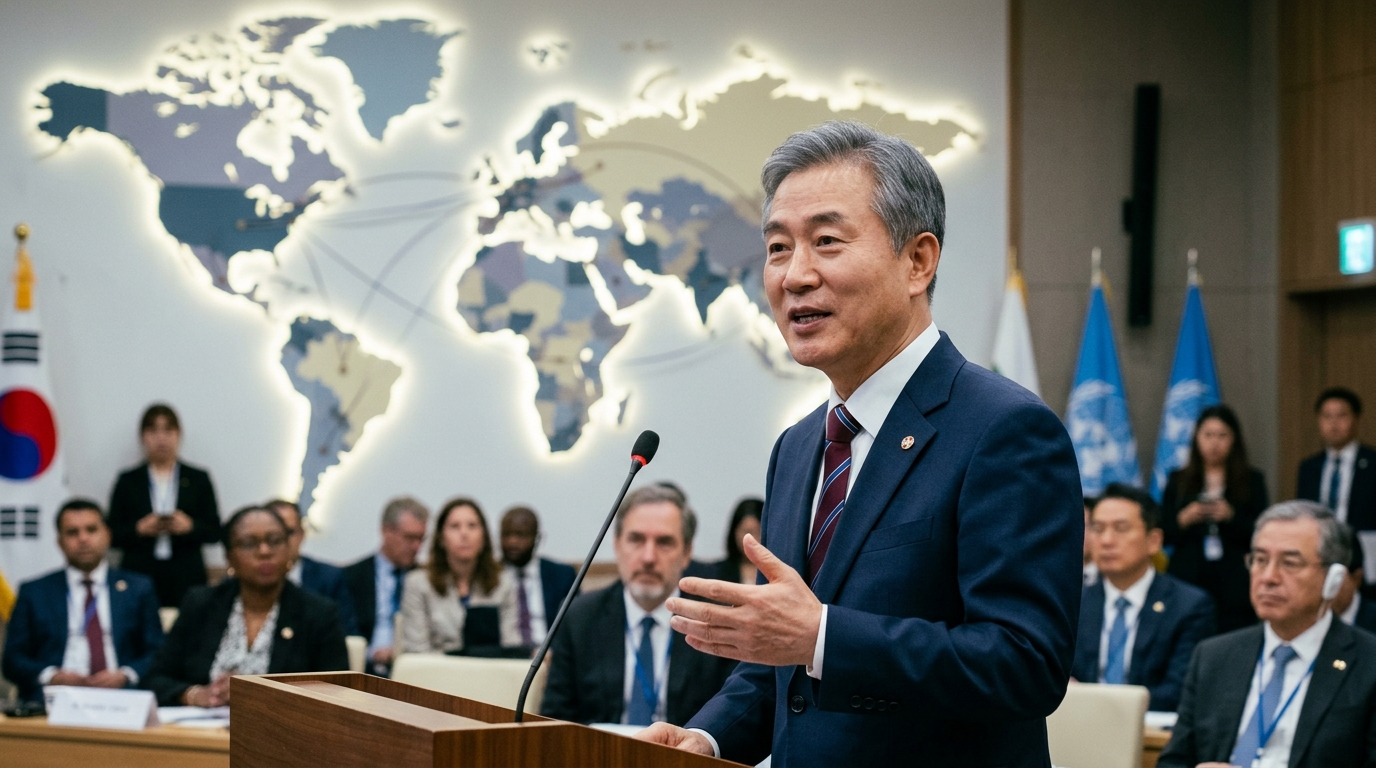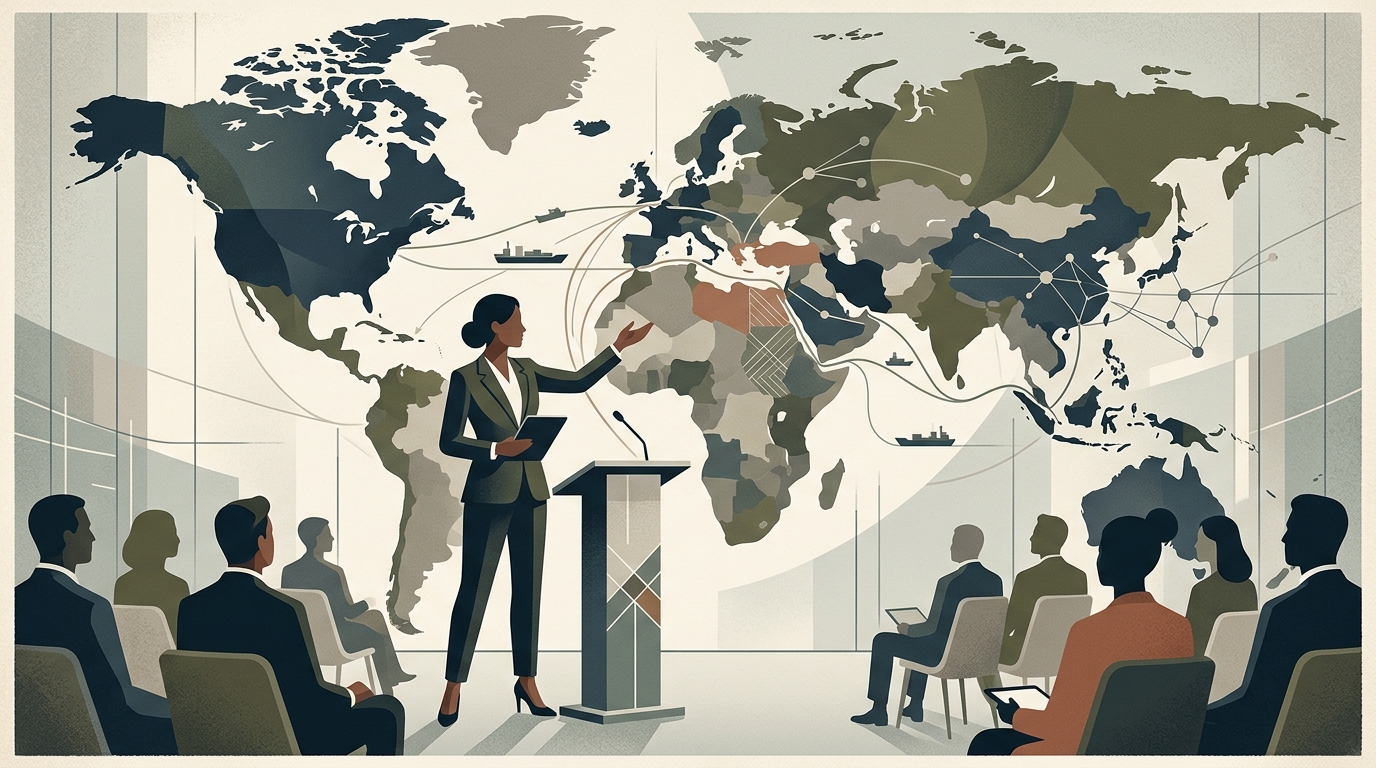
At the heart of the geopolitical realignments of 2026, the Blue Strategy Summit in Athens served as the focal point for discussions on the future of the Eastern Mediterranean. The presence of Kimberly Guilfoyle, a prominent figure in American politics and a strategic advisor, added a significant weight to the summit's proceedings. Her keynote address moved beyond mere diplomatic pleasantries, focusing instead on positioning Greece as an irreplaceable strategic partner for the West in an era where supply chain resilience and energy autonomy have become the new currencies of power.
Shipping as a Pillar of Global Stability
Guilfoyle began her analysis with Greece's strongest asset: its merchant shipping industry. With the Greek-owned fleet now controlling over 21% of global deadweight tonnage, Greece is not just a market participant but a regulator of global trade. "In a world rattled by instability in the Red Sea and the straits of Southeast Asia, Greek shipping remains the guarantor of the flow of goods," she remarked. The "Blue Strategy" promoted in 2026 aims to further integrate Greek ports with Central European networks, transforming Piraeus and Thessaloniki into primary gateways for Asian and American products entering the continent.
Energy Security: The Path to Independence
A substantial portion of Guilfoyle's speech was dedicated to Greece's role as an energy hub. The completion of new FSRU units in Alexandroupoli and the expansion of interconnecting pipelines toward the Balkans have established the country as a central pillar of European energy security. Guilfoyle emphasized that US support for these projects is not merely financial but deeply political. "Greece offers Europe an alternative route that does not depend on authoritarian regimes," she stated, referring indirectly to the push for full independence from Russian and other volatile energy sources. The potential exploitation of natural gas deposits in Crete and the Ionian Sea, combined with the green transition, places Athens at the center of the energy map for the next decade.
The Geopolitical Triangle: Europe, America, Asia
The concept of Greece as a "bridge" is not new, but in 2026 it has gained a new dimension through the IMEC (India-Middle East-Europe Economic Corridor). Guilfoyle stressed that Greece is the natural terminus of this corridor on the European continent. This creates a tripartite strategic relationship where American capital, Asian production, and European consumption meet at Greek infrastructure hubs. Her analysis demonstrated that Washington views Athens as a stable democratic beacon in a region often characterized by volatility. The defense cooperation, which has deepened significantly in recent years, provides the security framework upon which this economic architecture is built.
Challenges and the Future of the 'Blue Strategy'
Despite the prevailing optimism, Guilfoyle did not shy away from addressing the challenges ahead. The need for faster digital transformation in public administration and the protection of critical infrastructure from cyber threats are essential prerequisites for success. Furthermore, climate change necessitates a "green" shift in shipping, requiring massive investments in alternative fuels and new technologies. In her closing remarks, Guilfoyle urged the Greek business community to continue innovating, emphasizing that Greece's power stems not just from its geography, but from its human capital and its ability to adapt to global shifts. The Blue Strategy Summit 2026 confirmed that Greece is no longer the "sick man" of Europe, but one of its most dynamic protagonists.