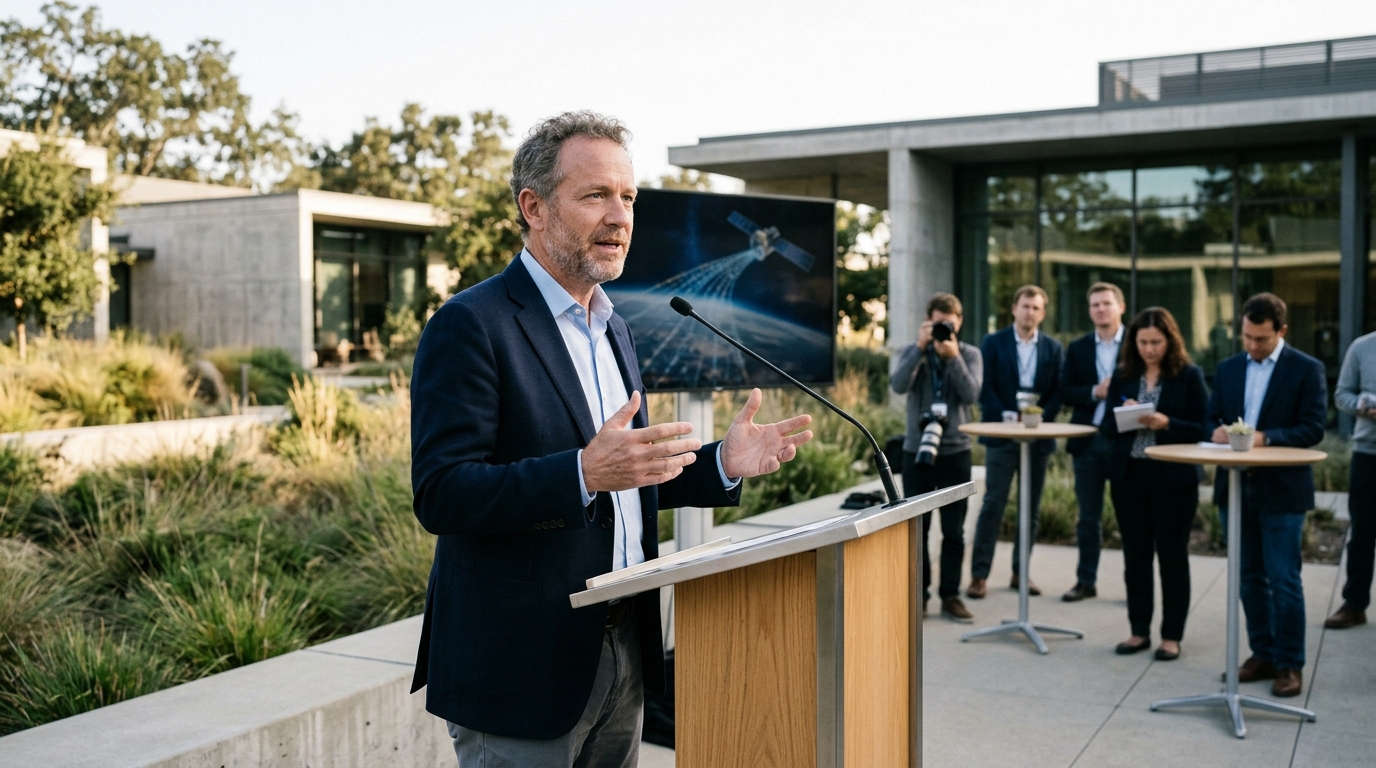
In the high-stakes world of technology and billions, few figures can dominate the public discourse with something as simple as a keystroke. Elon Musk, the powerhouse behind Tesla, SpaceX, and X (formerly Twitter), has once again proven his uncanny ability to spark global intrigue—and a dash of paranoia—by affirmatively responding to a theory suggesting he is not of this Earth. His one-word reply, "Yup," to a viral post claiming he is an alien building SpaceX to return to his home planet, immediately set the internet ablaze, fueling thousands of memes and deep-dive analyses.
The Strategy of Eccentricity
To the casual observer, this might seem like a mere joke. However, for communication analysts, it is a masterclass in a strategy Musk has refined over decades. By leveraging humor and a self-deprecating tone, Musk manages to "humanize" his image while simultaneously shrouding it in a veil of mystery that perfectly aligns with his futuristic ventures. This isn't the first time Musk has identified with the extraterrestrial. In past interviews, he has often used similar language to describe his way of thinking, which frequently defies conventional logic.
This "alien" persona serves a distinct purpose: it reinforces the narrative that his goals—such as the colonization of Mars—are not merely business plans but an existential necessity. When Musk says he "wants to die on Mars, just not on impact," he creates an emotional resonance with his audience, positioning himself as a visionary who belongs more to the stars than to earthly bureaucracy.
SpaceX: The Vehicle for "Return"
SpaceX, the company that disrupted aerospace with reusable rockets, sits at the heart of this mythology. The idea that Musk is building rockets to "go home" is a metaphor his followers adore. In reality, SpaceX has drastically reduced the cost of space access, making the vision of a multi-planetary species more feasible than ever. However, tying the company's brand so closely to the founder's personal mythology carries inherent risks.
- Brand dependency on Musk's personality can lead to significant market volatility.
- Regulatory bodies often view his public outbursts with skepticism, affecting contract negotiations.
- A focus on the "alien" narrative can distract from real technical hurdles or labor concerns within his organizations.
Public Psychology and Internet Culture
But why does the internet lose its mind over such statements? The answer lies in our collective need for modern myths. In an era of disenchantment, where technology is often perceived as a threat, Musk offers a grand adventure. Conspiracy theories, even the most outlandish or humorous ones, serve as a way for the public to process the immense power held by tech oligarchs. If Musk is an alien, his staggering wealth and influence are somehow easier to rationalize than if he were simply a human navigating market dynamics with ruthless efficiency.
"The distinction between reality and trolling in the digital age is not just blurred; it is often nonexistent."
In conclusion, Elon Musk's latest viral moment is just another chapter in the playbook of modern marketing. Whether it was a spontaneous reply or a calculated move, the result remains the same: Musk stays at the center of the zeitgeist, his companies gain "cultural capital," and the dream of space exploration maintains its luster—even if that luster is polished with a healthy dose of science fiction.