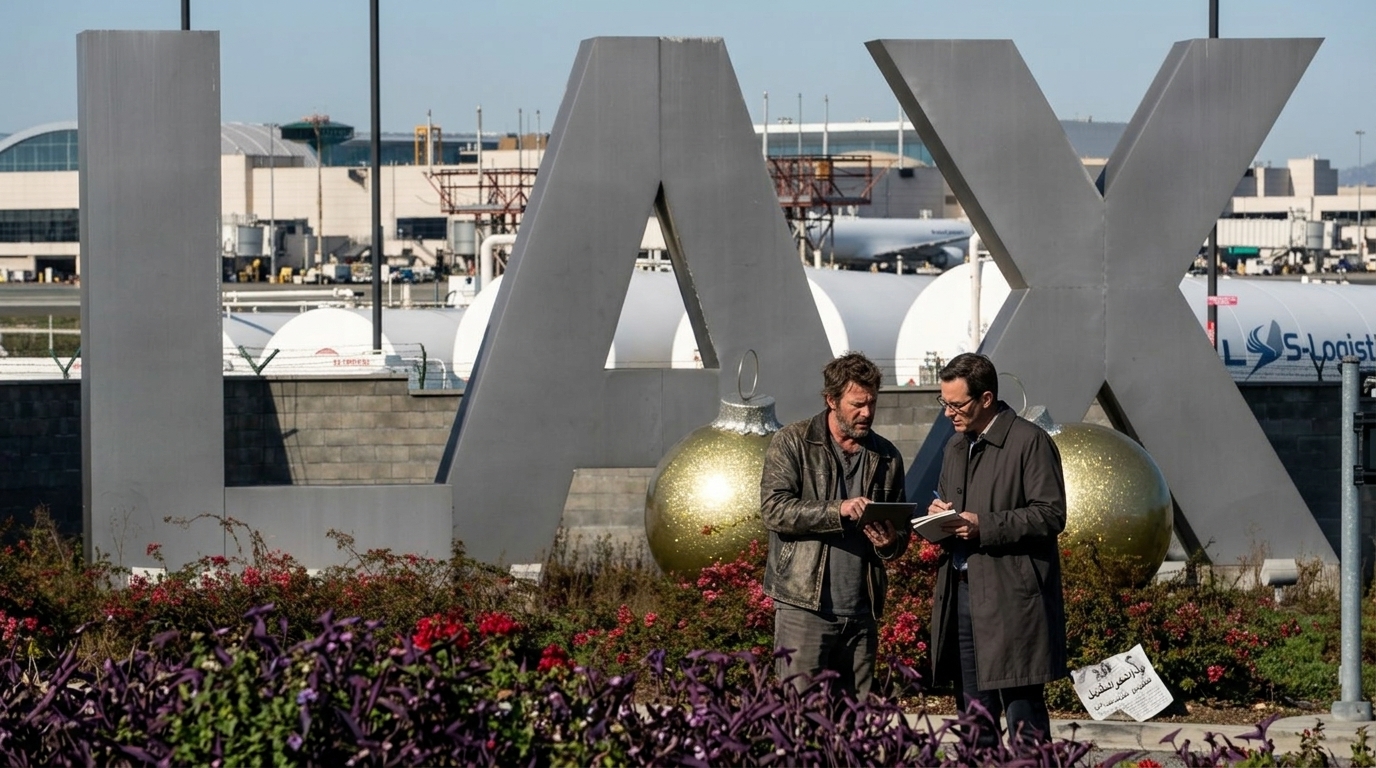
The arrest of Shamim Mafi at Los Angeles International Airport (LAX) is more than just a law enforcement success; it is a window into a high-stakes geopolitical thriller connecting the suburbs of California to the war-torn streets of Khartoum and the clandestine arms factories of Tehran. Federal prosecutors allege that Mafi served as a pivotal intermediary in an operation to supply the Sudanese Armed Forces (SAF) with Iranian military technology, in flagrant violation of international sanctions and U.S. federal law.
According to the indictment, Mafi did not merely broker information; she is accused of orchestrating the transfer of drones, bombs, bomb fuses, and millions of rounds of ammunition. At a time when Sudan is being torn apart by a brutal civil war, the intervention of external actors like Iran through unofficial channels adds fuel to one of the world's most dire humanitarian crises.
Iran’s Strategic Pivot to the Horn of Africa
For Tehran, the conflict in Sudan represents a golden opportunity to re-establish its footprint in the Red Sea region. After years of diplomatic estrangement from Khartoum, the SAF's desperate need for advanced weaponry to counter the Rapid Support Forces (RSF) has opened a corridor for Iranian military exports, most notably the Mohajer-6 drone. These unmanned aerial vehicles (UAVs) have proven effective in asymmetric warfare, providing the Sudanese military with precision-strike capabilities they previously lacked.
FBI investigators claim Mafi functioned as the essential link that allowed these transactions to remain beneath the radar of international monitors. Utilizing U.S. citizens or permanent residents as a front is a classic tactic for arms trafficking networks, as it provides a veneer of legitimacy and easier access to the global financial system. By operating from within the United States, such brokers attempt to exploit the very freedoms and logistical efficiencies the country offers.
"The illicit trafficking of weapons from Iran does not only threaten regional stability in Africa; it directly undermines the national security of the United States and its global partners," stated a senior Department of Justice official.
Anatomy of a Clandestine Deal
The federal indictment paints a picture of a sophisticated operation involving shell companies and encrypted communications to coordinate shipments. The "bombs and fuses" mentioned in court documents are not just military hardware; they are the instruments of an escalation that has displaced millions of Sudanese civilians. The scale of the brokered deal is staggering:
- Mohajer-6 Drones: Capable of both surveillance and strike missions, these are the flagship of Iran's defense exports.
- Millions of Rounds of Ammunition: Such a quantity suggests an effort to fully resupply the Sudanese military for prolonged offensive operations.
- Bomb Fuses: Critical components for both standardized and improvised explosive devices, essential for maintaining a high-intensity conflict.
The LAX sting highlights the vigilance of American intelligence services but also exposes the vulnerabilities in global supply chain monitoring. The fact that a Los Angeles resident could potentially negotiate such massive arms shipments raises uncomfortable questions about how many other "shadow brokers" are currently operating on U.S. soil, hidden in plain sight.
Geopolitical Implications and the Path Ahead
This case further complicates the already strained U.S.-Iran relationship, which is at a breaking point due to Tehran's nuclear ambitions and its support for proxies across the Middle East. Washington views Iran's involvement in Sudan as a strategic move to establish a new sphere of influence that could threaten maritime security in the Red Sea and the Suez Canal, as well as the security of regional allies like Saudi Arabia and Egypt.
For Sudan, the exposure of this illicit network may lead to tighter sanctions against the SAF, hampering their ability to sustain their war effort. Simultaneously, the trial of Shamim Mafi is expected to reveal deeper insights into how Iran leverages the diaspora and independent contractors to bypass international law. The judiciary must now determine whether Mafi was the mastermind of this operation or merely a cog in a much larger and more dangerous machine of global power projection.