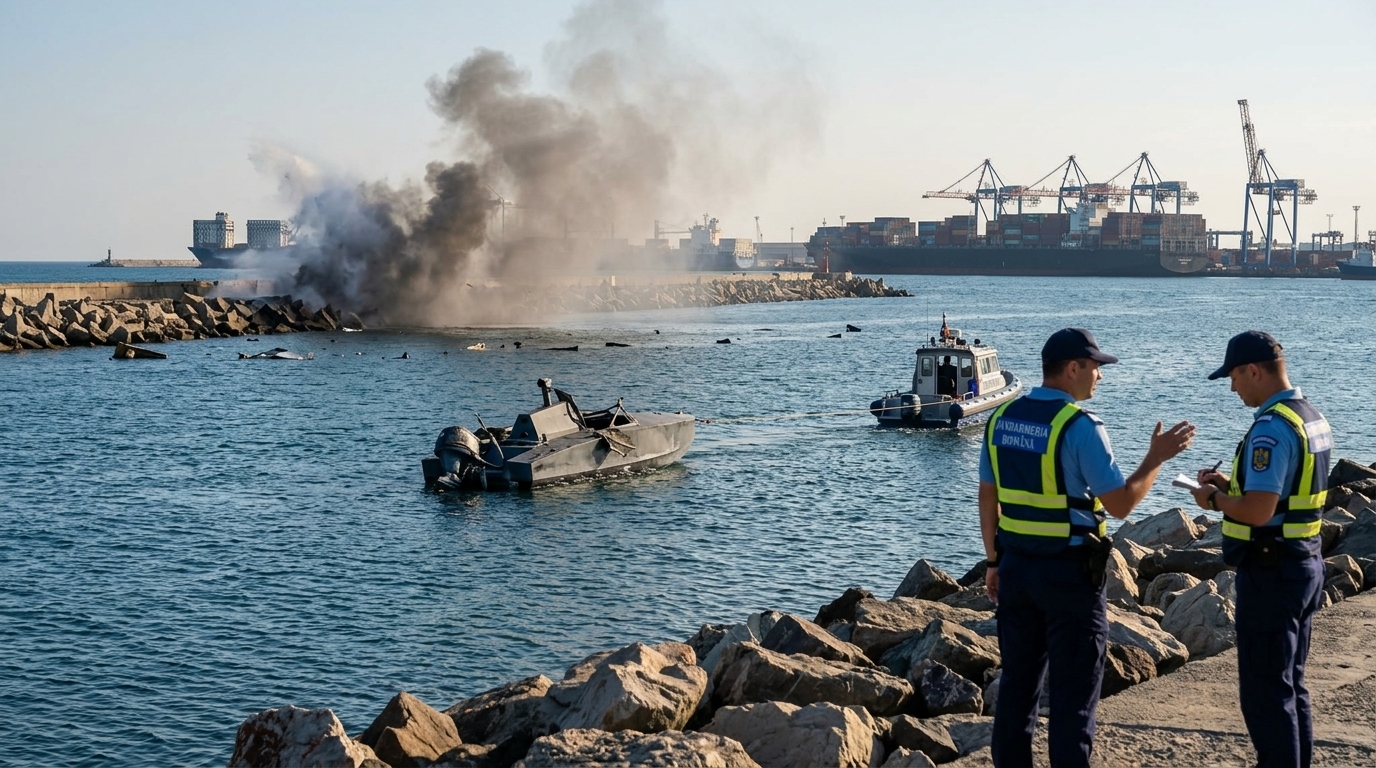
Europe stands at a historic crossroads. After decades of enjoying the so-called "peace dividend," the continent is forced to redefine its priorities, placing defense and Artificial Intelligence (AI) at the top of its agenda. The Russian invasion of Ukraine and rising tensions in the Eastern Mediterranean and the Middle East have acted as catalysts, transforming defense technology from a misunderstood sector into one of the most attractive destinations for global capital.
The End of the Taboo: Defense as "Deep Tech"
For years, institutional investors and venture capital firms in Europe avoided the defense sector, citing ESG (Environmental, Social, and Governance) criteria and ethical concerns. However, 2026 finds this perception completely dismantled. Defense is no longer seen as a "dirty" industry but as the spearhead of "Deep Tech" innovation.
According to recent analyses, investments in European defense startups have tripled over the last two years. AI plays a central role in this shift. We are no longer talking just about traditional weapon systems, but about intelligent algorithms capable of predicting cyberattacks, autonomous drones operating in swarms, and data analysis systems that provide a tactical advantage on the battlefield in real-time.
AI as a Force Multiplier
The integration of AI into Europe's defense capabilities is not merely a technical upgrade; it is a strategic force multiplier. The ability to process vast amounts of information from satellites, sensors, and open sources allows European forces to maintain clear situational awareness.
- Autonomous Systems: Development of unmanned vehicles (UAVs and UGVs) using AI for navigation in GPS-denied environments.
- Cyber Defense: Machine learning algorithms that detect and neutralize threats before they strike critical infrastructure.
- Predictive Maintenance: Using data to forecast failures in military equipment, reducing costs and increasing readiness.
The European company Helsing, which recently raised significant capital, is the blueprint for this new era. By focusing exclusively on software-defined defense, it proves that dominance on the battlefield will be decided by code, not just steel.
Strategic Autonomy and the EU's Role
The European Union, through the European Defence Fund (EDF) and Permanent Structured Cooperation (PESCO), is attempting to coordinate national efforts. The goal is clear: reducing dependence on the United States and China. "Strategic Autonomy" is no longer a Brussels slogan but an economic necessity.
"Security is the prerequisite for prosperity. Without a strong technological base in defense, Europe remains vulnerable to the geopolitical rivalries of superpowers," says a high-ranking Commission official.
However, challenges remain. The fragmentation of the European defense market, with differing standards and national preferences, prevents the achievement of economies of scale. Investors are calling for greater integration and a clearer institutional framework for the use of AI in military applications, especially following the passage of the AI Act, which exempts defense but sets strict ethical standards for dual-use technologies.
Ethical Dilemmas and the Future
The rise of Lethal Autonomous Weapons Systems (LAWS) provokes strong reactions from human rights organizations. Europe is trying to balance the need for innovation with adherence to international humanitarian laws. The concept of "human-in-the-loop" remains central to the European approach, ensuring that final decisions regarding the use of force are made by humans, not machines.
In conclusion, the investment map in Europe has changed irrevocably. The convergence of defense and AI is creating a new ecosystem where technological superiority is synonymous with national and European sovereignty. Investors who timely understand this shift will find themselves at the forefront of a new industrial revolution—one that, while born from the need for security, will fuel innovation across the entire economy.