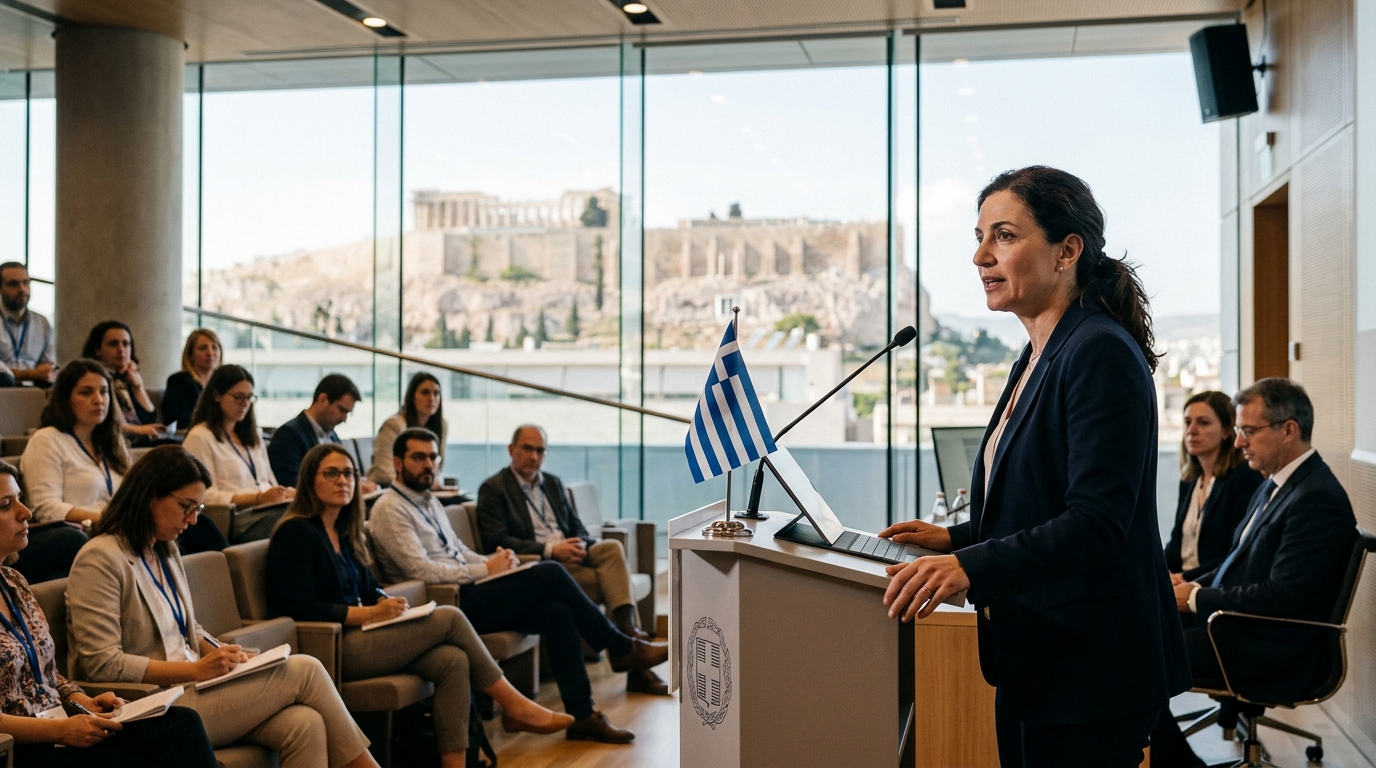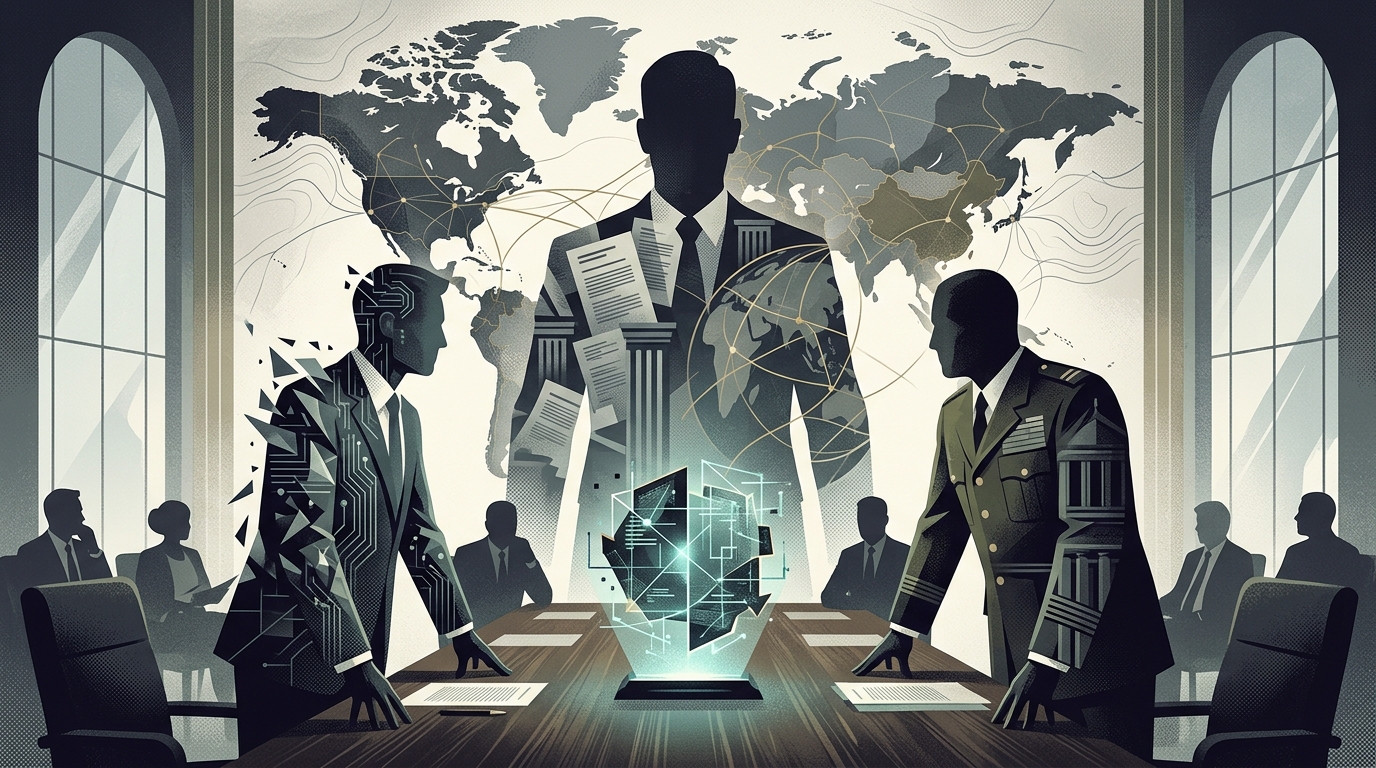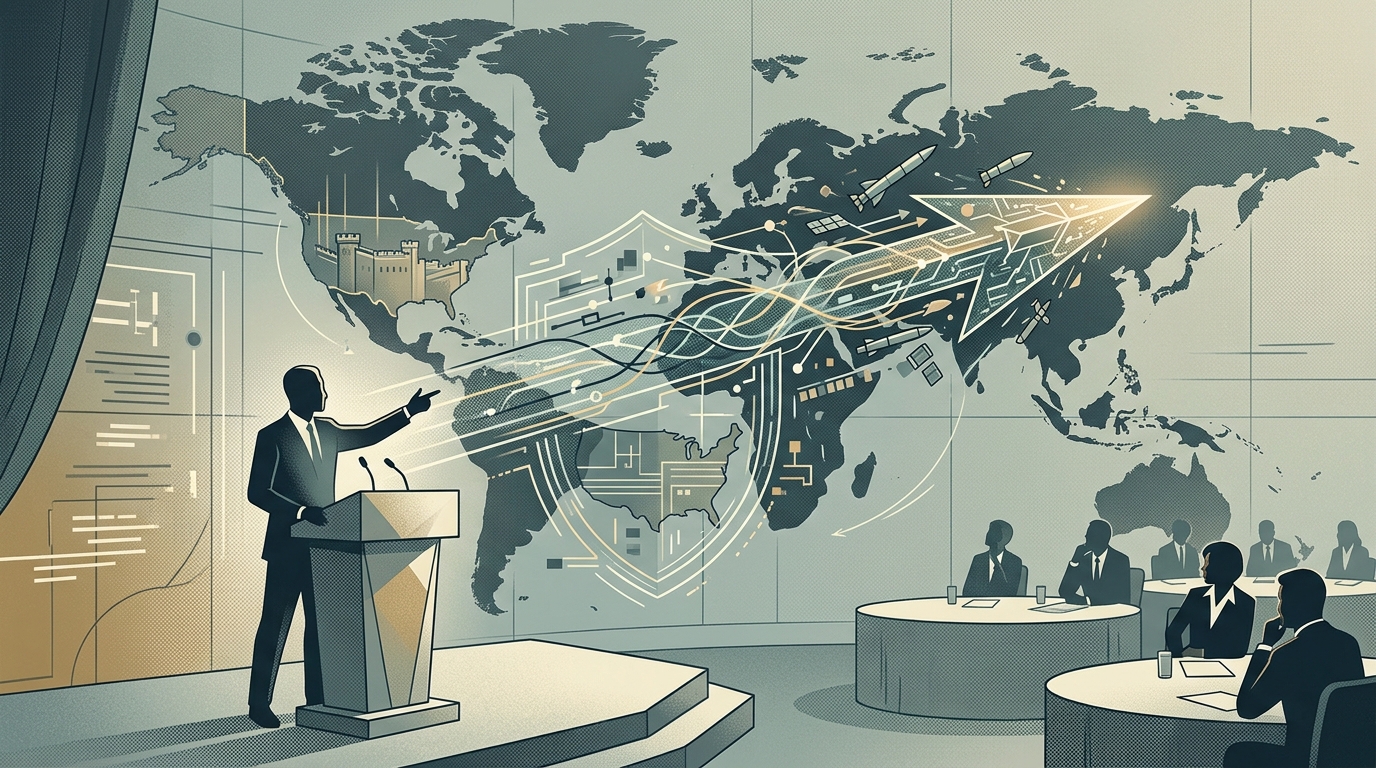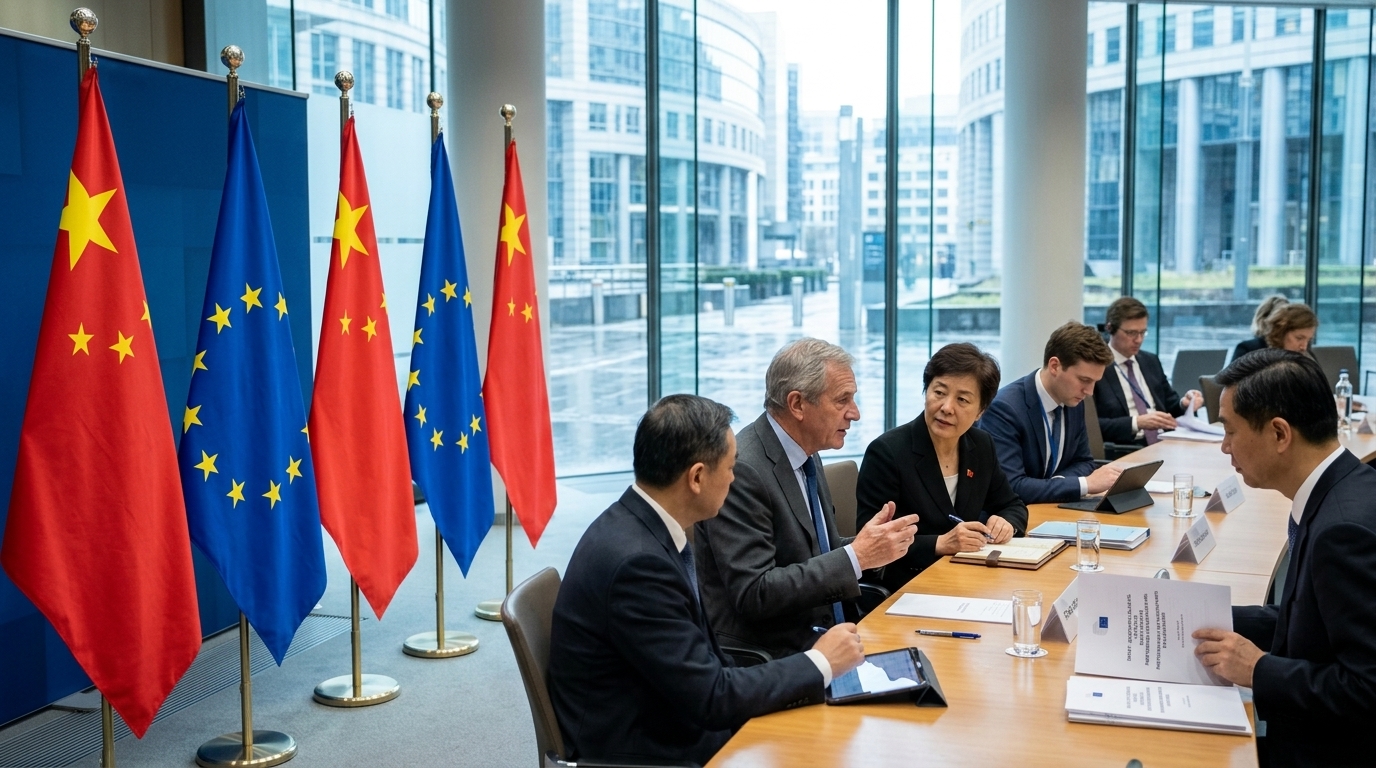
The era of naivety in the European Union's relations with China appears to be coming to a definitive end. In a period where geopolitical tectonic plates are shifting violently, Brussels is attempting a difficult balancing act: reducing its dangerous dependence on the world's second-largest economy without triggering an all-out trade war that would plunge the global market into chaos. This strategy, now known as 'de-risking,' is the new doctrine of Ursula von der Leyen and reflects a Europe striving for geopolitical maturity.
The Lesson of Russia and the Paradigm Shift
The EU's pivot did not occur in a vacuum. The painful experience of energy dependence on Russia, which was weaponized following the invasion of Ukraine, served as a catalyst. European leaders realized that over-concentration on a single supplier, especially one categorized as a 'systemic rival,' is a strategic blunder. In China's case, the dependence is even deeper and more complex than it was with Russian gas.
From rare earths essential for electric vehicle batteries to solar panels and telecommunications infrastructure, China holds a dominant position in the supply chain. The EU imports over 90% of its rare earths from China, a dependency that makes Europe's 'Green Deal' vulnerable to Beijing's whims. The new approach seeks to diversify these sources while boosting domestic production through initiatives like the Critical Raw Materials Act (CRMA).
The Economic Security Toolkit
To achieve this de-risking, the EU is developing a suite of legislative tools that, until a few years ago, would have been considered purely protectionist. The European Commission has launched investigations into state subsidies received by Chinese electric vehicle (EV) manufacturers, arguing that these practices distort competition in the European market. Furthermore, the new Anti-Coercion Instrument empowers the EU to respond with tariffs or other restrictions when a third country attempts to blackmail it economically.
However, implementing these measures is no simple task. Significant disagreements exist within the EU. Germany, whose automotive industry is deeply exposed to the Chinese market, appears more hesitant, fearing retaliation from Beijing. Conversely, France is pushing for a more aggressive stance, promoting the concept of 'strategic autonomy.' This internal friction is Europe's Achilles' heel, which Chinese diplomacy systematically attempts to exploit through bilateral agreements with individual member states.
The Role of Technology and Investment
Another critical pillar of the strategy is the control of sensitive technology exports and the screening of outbound investments. The EU is concerned that cutting-edge European technology, particularly in the fields of artificial intelligence, semiconductors, and quantum computing, could be used to enhance China's military capabilities. For the first time, there is serious discussion about restricting investments by European companies in specific sectors within China, following the example set by the United States.
At the same time, Europe is trying to offer alternatives to developing countries through the 'Global Gateway' initiative, an infrastructure investment program worth 300 billion euros. The goal is to counter the influence of China's Belt and Road Initiative and create new, reliable partnerships in Africa, Latin America, and Asia. The battle for influence in the Global South is perhaps the most decisive front in this geopolitical contest.
Conclusions and Outlook
De-risking from China will be neither quick nor painless. The cost of transitioning to more secure but more expensive supply chains will ultimately be passed on to consumers, fueling inflation. Moreover, China remains an indispensable partner for combating climate change. Without Beijing's cooperation, global emissions targets are practically unattainable.
The great challenge for the EU is to remain an open economy while simultaneously shielding its security. The success of the de-risking strategy will be judged by the ability of the 27 member states to act in unison. If Europe manages to reduce its vulnerability without sliding into isolationism, it will have taken its greatest step toward emerging as a true third pole of power in the 21st century. Otherwise, it risks becoming a mere playground for the competition between two superpowers, losing control over its own destiny.