In the heart of Da Nang, a city rapidly transforming from a coastal destination into Southeast Asia’s burgeoning tech hub, the Da Nang Museum has unveiled an awe-inspiring exhibition. Titled "The Universe - Humanity - Intelligence," this initiative is not merely a historical retrospective but a bold philosophical and technological statement about our place in the cosmos. In an era where Artificial Intelligence (AI) is redefining every aspect of daily life, this exhibition serves as a poignant reminder that technology is not an isolated phenomenon, but the natural culmination of billions of years of evolution.
Cosmic Origins and the Human Journey
The exhibition opens with an immersive representation of the Big Bang. Through interactive displays and ambient soundscapes, visitors are invited to witness the birth of matter and time. The museum’s choice to begin at "point zero" is strategic: it aims to demonstrate that intelligence—whether biological or artificial—is a product of the same physical laws that govern the galaxies. As visitors move into the "Humanity" section, the focus shifts from physics to biology and culture. Here, the evolution of the human brain, the discovery of tools, and the creation of language are showcased as the primary "software" that allowed our species to dominate the planet.
The narrative is meticulous. It does not shy away from the dark periods or the immense challenges humanity has faced, but it emphasizes the innate curiosity that consistently drives us toward the next frontier. This curiosity birthed the industrial revolutions, leading us with mathematical precision into the digital age. The exhibition successfully connects the first stone tool to the first microprocessor, creating a thread of continuity that is often lost in the breakneck speed of modern life.
The Emergence of Digital Intelligence
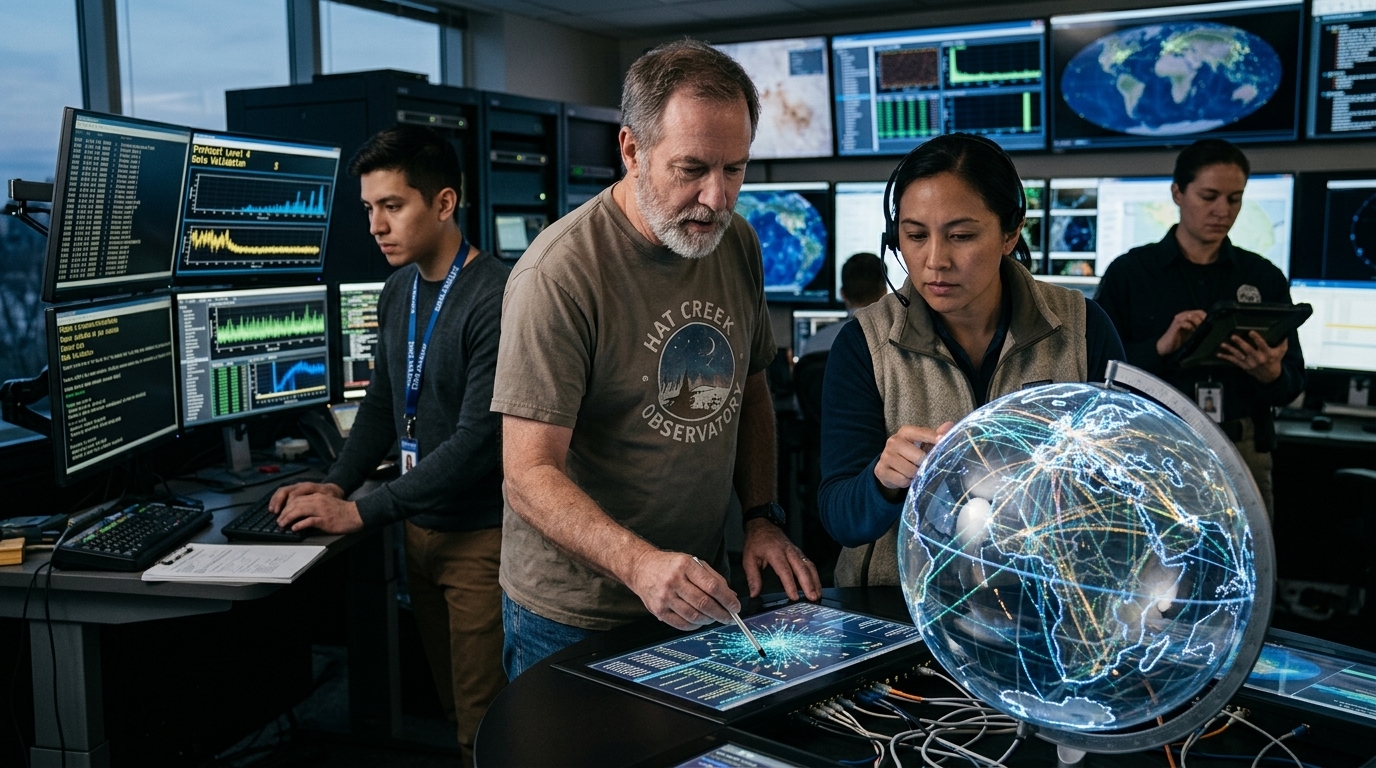
The most discussed segment of the exhibition is undoubtedly the one dedicated to Intelligence. Here, the Da Nang Museum employs cutting-edge technology to present the rise of AI. From Alan Turing’s early experiments to today’s Large Language Models (LLMs) and humanoid robotics, visitors come face-to-face with the future. This is not just a display of hardware; it is an exploration of machine "consciousness." Visitors can interact with AI systems that analyze data in real-time, generate art, or propose solutions to complex environmental crises.
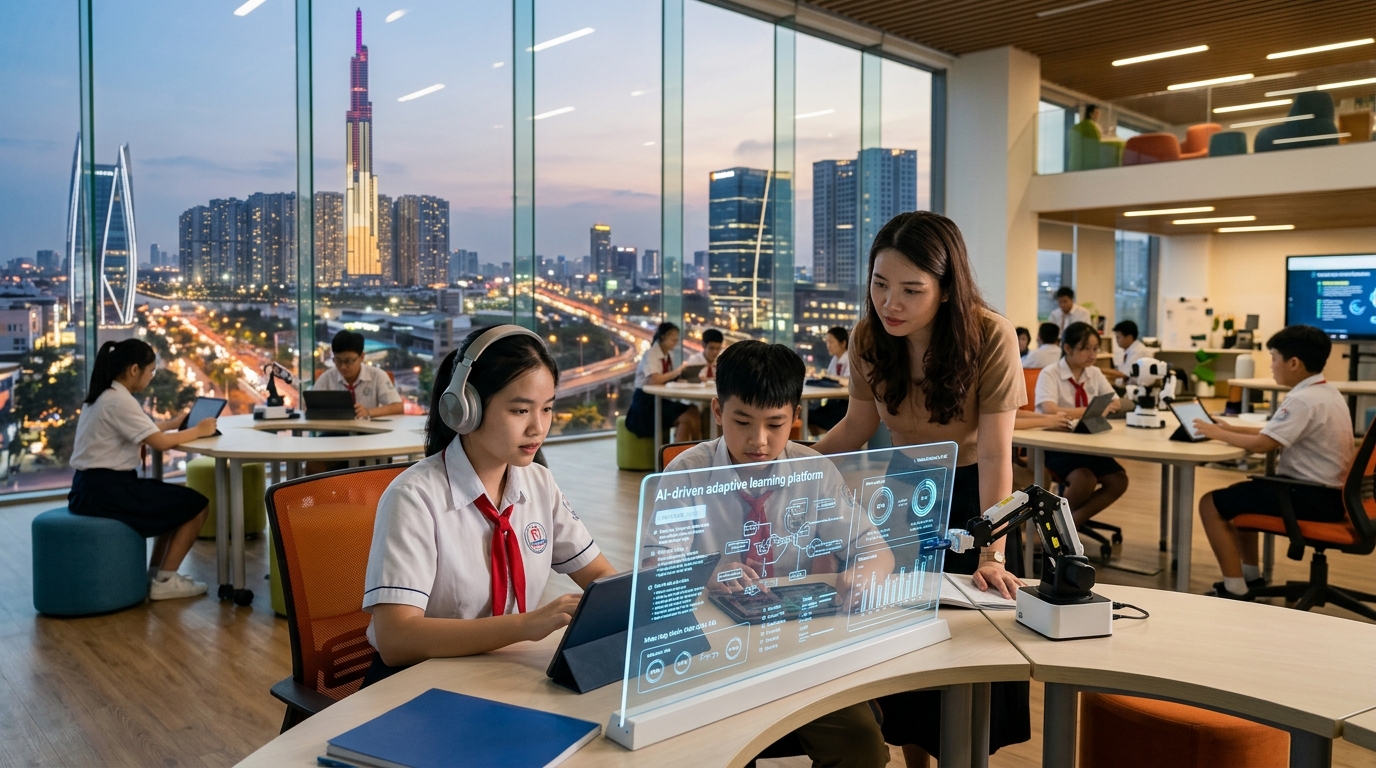
The exhibition poses critical questions: Can intelligence exist without biology? What is the ethical responsibility of the creator toward the creation? Within the context of Vietnam—a country investing billions into STEM education and the semiconductor industry—these questions have immediate political and economic resonance. The exhibition acts as a mirror to the nation’s ambitions to be a leading player in the Fourth Industrial Revolution (4IR).
Geopolitical and Cultural Significance
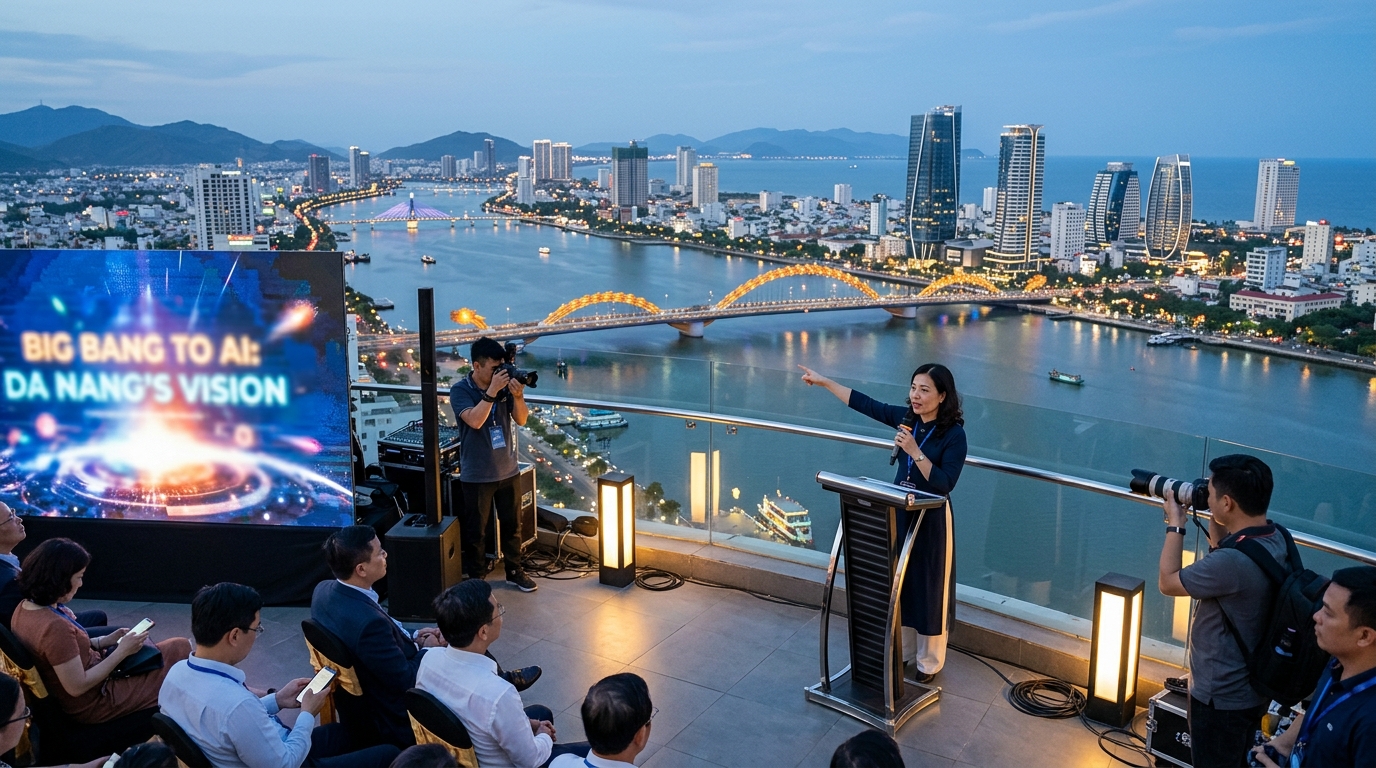
The choice of Da Nang as the venue for such an exhibition is far from accidental. The city is the epicenter of Vietnam’s digital transformation strategy. By hosting an exhibition that links the cosmos to AI, Vietnam sends a clear signal to the international community: it is no longer just a low-cost manufacturing destination, but a center for knowledge production and innovation. The exhibition is designed to inspire the next generation of Vietnamese scientists and engineers, showing them that their personal history is part of a global, cosmic narrative.
In conclusion, "The Universe - Humanity - Intelligence" is a daring attempt to map our past, present, and future. It challenges us to view Artificial Intelligence not as a threat, but as the next logical step in a journey that began 13.8 billion years ago. It is a reminder that despite our technological triumphs, we remain explorers in a vast and mysterious universe, forever seeking the answer to the question: "What comes next?"