The news of a drone being downed over Estonian airspace by NATO fighter jets has sparked immediate concern in international capitals, not just for the act itself, but for the identity of the intruder. According to official announcements from Tallinn, the drone is suspected to belong to Ukrainian forces, a revelation that adds a new layer of complexity to the geopolitical chessboard of Eastern Europe. This incident is not isolated; it represents the latest episode in a series of violations highlighting the fragile security of the Baltic region.
The Fog of War and Navigational Errors
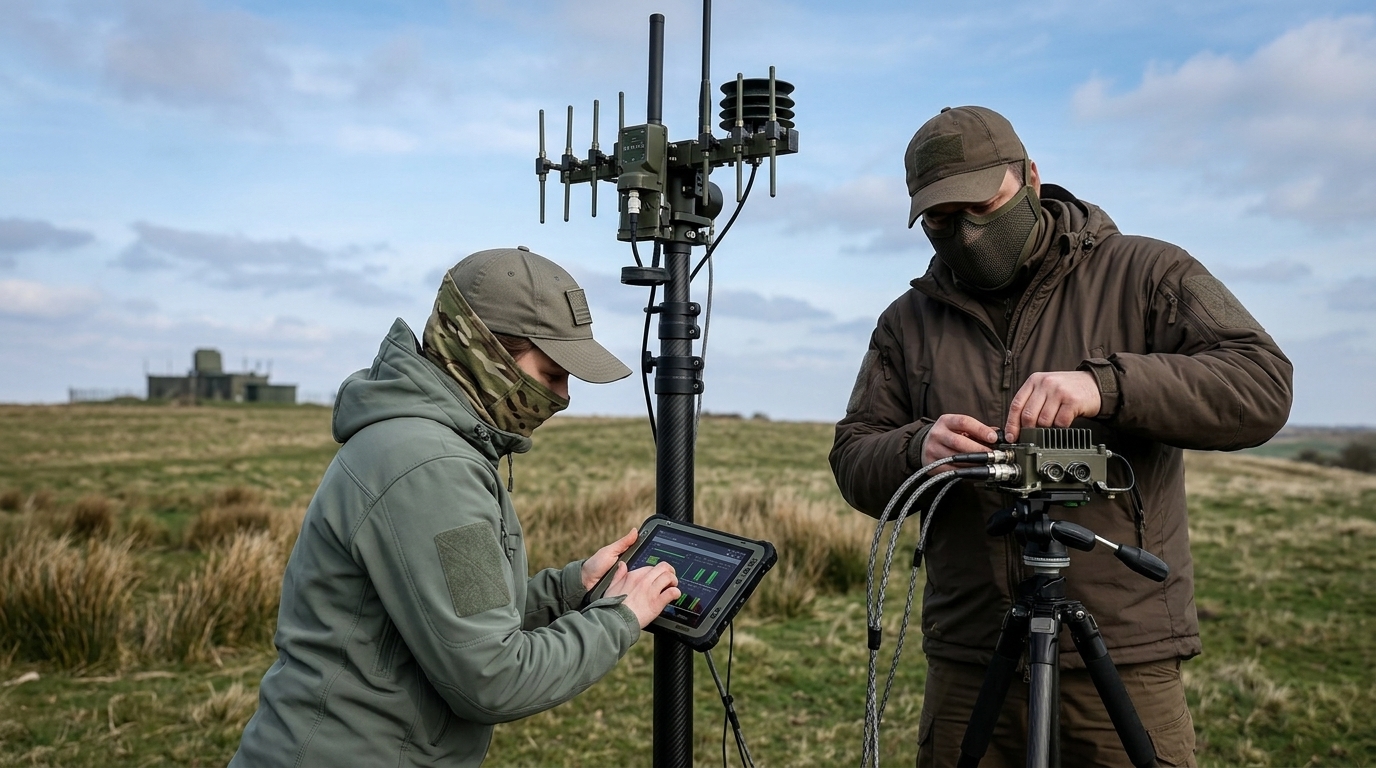
In the modern theater of conflict, the "fog of war" is no longer limited to the physical senses of soldiers but extends to digital navigation systems. The Baltic region has become the epicenter of intense Electronic Warfare (EW), with Russia repeatedly accused of extensive interference with GPS signals. This interference affects not only civilian aviation but also the operation of autonomous systems. The prevailing theory regarding the Estonian incident is that the Ukrainian drone, likely on a long-range mission targeting Russian assets, lost its orientation due to jamming or technical failure, inadvertently entering the airspace of a NATO member state.
The Alliance's response was instantaneous, following the strict protocols of the Baltic Air Policing mission. The decision to down the craft, even though it belonged to an allied nation, demonstrates that the integrity of NATO airspace remains non-negotiable. "There is no room for hesitation when an unidentified track violates sovereign rights, especially during a period of such high tension," military analysts noted. The identification of the drone as Ukrainian occurred after the wreckage was recovered, highlighting the technical difficulties defensive forces face in distinguishing friend from foe in fractions of a second.
The Strategic Significance of the Baltics
Estonia, Latvia, and Lithuania have for years stood on the front lines of the West-Russia confrontation. Their geographical position, combined with their lack of domestic interceptor aircraft, makes them dependent on support from NATO allies. Continuous violations by Russian aircraft—often flying with transponders off—have created a state of permanent alert. However, the appearance of a Ukrainian drone in this equation complicates the narrative. It raises questions about how far Kyiv's operations can reach and what security guarantees exist for neighboring countries supporting its struggle.
- Increasing Frequency of Incidents: Airspace violations in the Baltics have increased by 30% over the last year.
- Electronic Warfare: The use of spoofing and jamming makes drones unpredictable and erratic.
- Diplomatic Management: Tallinn and Kyiv are in close contact to prevent similar incidents in the future.
"The security of our borders is our absolute priority. While we support Ukraine, we must ensure that our own airspace remains protected from any kind of threat or accident," an Estonian official stated.
Toward a New Air Defense Architecture
This incident serves as a warning for the need to upgrade Identification Friend or Foe (IFF) systems, particularly in the drone category. Until now, these systems were primarily designed for manned aircraft. The mass use of drones, often built with commercial components, makes their identification extremely difficult. Europe is now called upon to invest in more advanced sensor networks capable of tracking and neutralizing small targets without risking the diplomatic cohesion of the Alliance.
On a political level, this shoot-down is not expected to shake the relations between Estonia and Ukraine. On the contrary, it highlights the need for better operational coordination. Kyiv, under pressure from Russian strikes, is constantly seeking new ways to hit the Russian war machine in its rear, often utilizing routes that come dangerously close to NATO borders. The challenge for the future is the creation of a "safe corridor" or, at the very least, an early warning mechanism to prevent "friendly fire" in Europe's digital skies. As the war in Ukraine persists, the Baltic will remain the thermometer of global tension, where every navigational error could have unforeseen consequences.