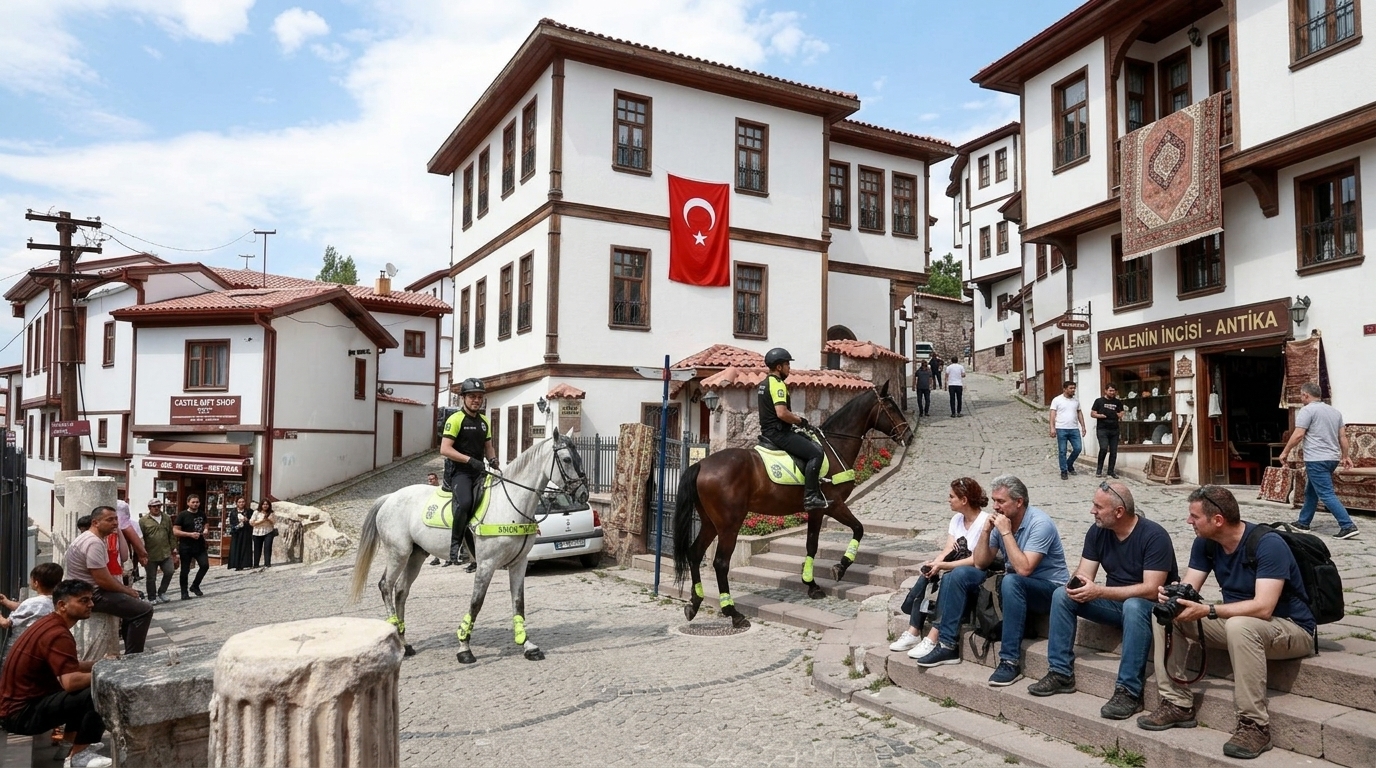
As the international community converges on Ankara for the pivotal NATO Summit in July 2026, it is becoming increasingly clear that Recep Tayyip Erdogan is no longer content with being the alliance's "difficult partner." Instead, Turkey is actively seeking to reshape the architecture of European security, positioning itself not merely as a military power, but as the indispensable mediator between the West, Russia, and the Global South.
The Strategy of the "Shrewd Neutral" in a Multi-Polar World
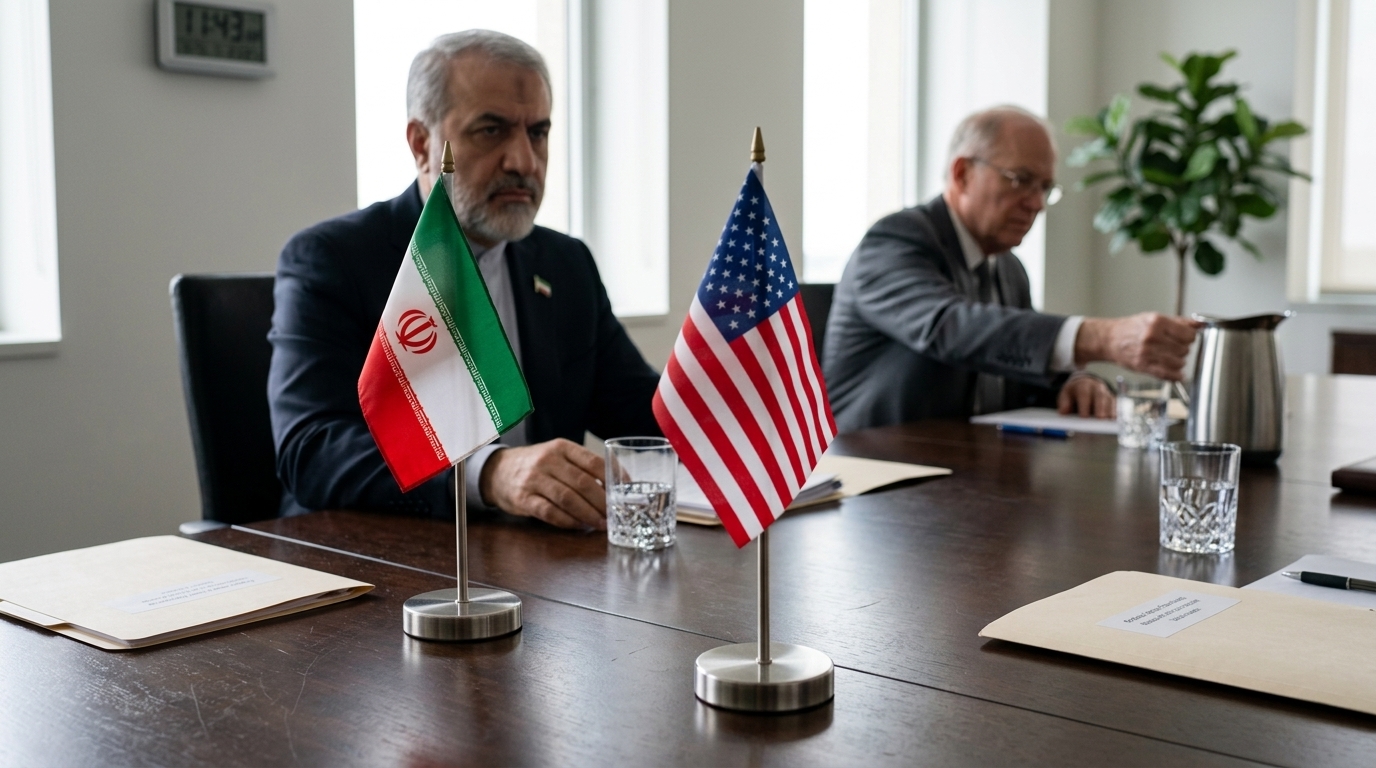
Turkey has masterfully converted its geography into a potent diplomatic weapon. After years of friction over the S-400 missile system and its subsequent exclusion from the F-35 program, Ankara appears to have found its stride. Exploiting the leadership vacuum in certain European capitals and the collective exhaustion from ongoing conflicts in Ukraine and the Middle East, Erdogan is championing a doctrine of "Strategic Autonomy" within the NATO framework.
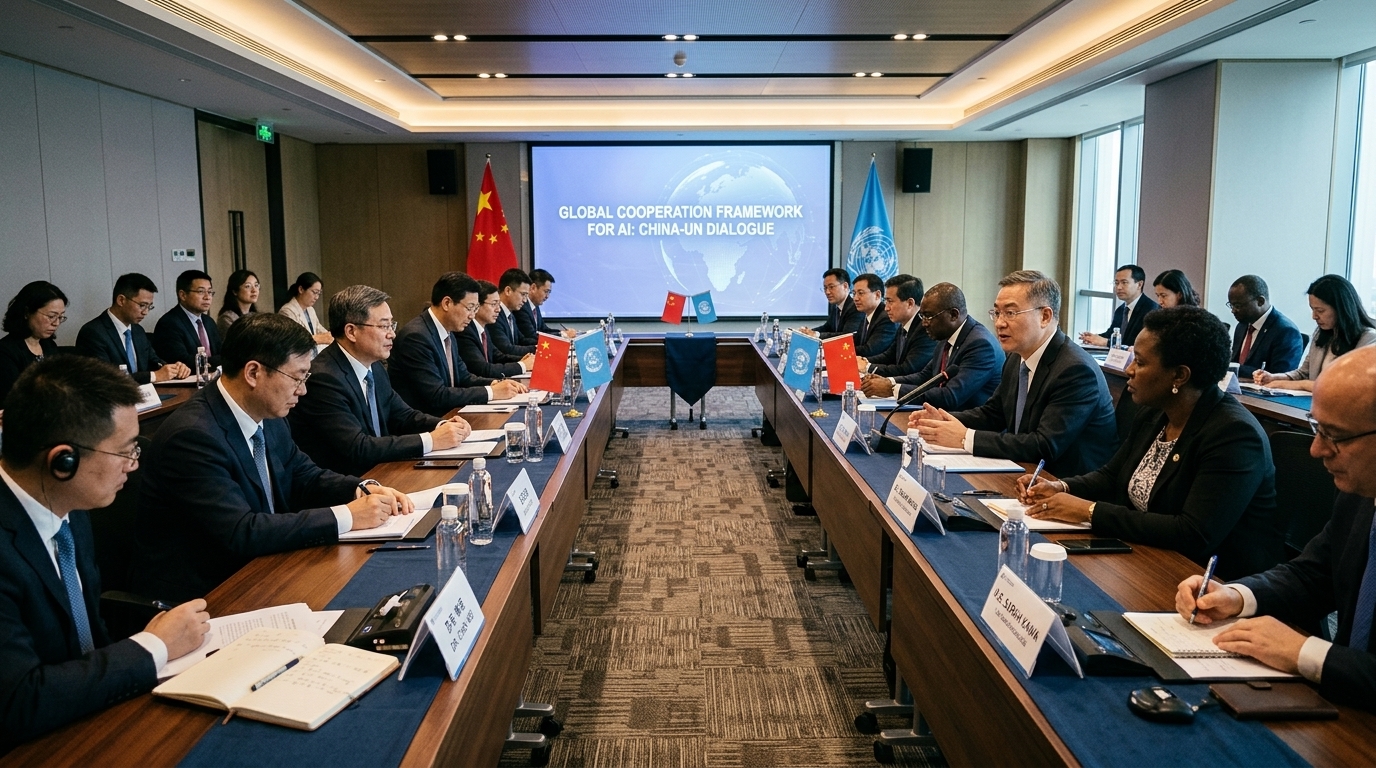
Analysts argue that the Ankara Summit is far from a ceremonial gathering. It represents the moment Turkey presents its vision for a NATO that "looks South." This vision entails an active role for the alliance in counter-terrorism—defined by Turkish priorities—and the formal recognition of Turkey’s hegemonic role in the Eastern Mediterranean and Libya. The "siege" of European defense is not being conducted with traditional weaponry, but by offering solutions to crises that the EU is ill-equipped to handle alone, such as migration management and energy security.
Defense Industry as a Geopolitical Lever
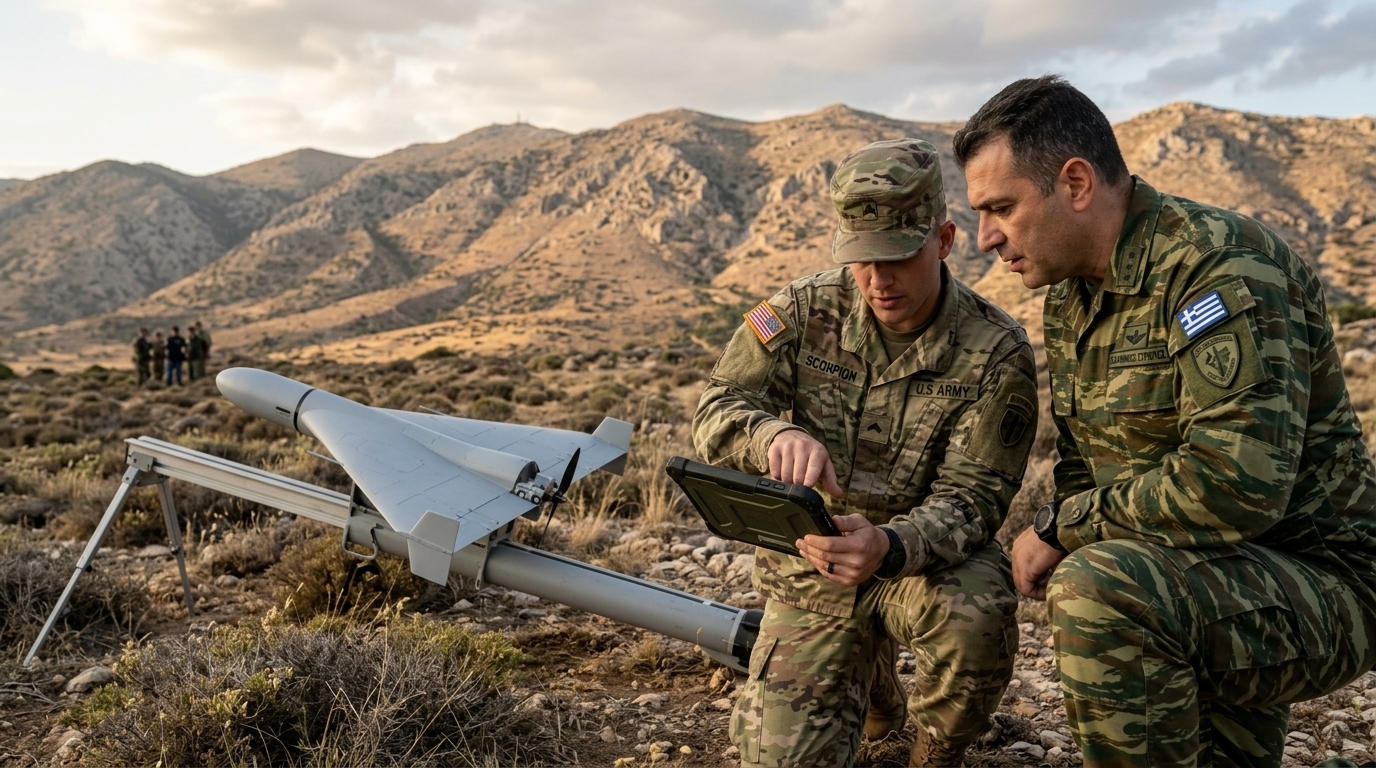
A central pillar of this assertive diplomacy is the meteoric rise of the Turkish defense industry. The Bayraktar drones, domestically produced missiles, and the new fifth-generation KAAN fighter jet are no longer just national milestones; they are exportable commodities that create deep-seated dependencies. Numerous nations across Eastern Europe and the Balkans are now looking toward Turkey for procurement, effectively bypassing traditional European or American defense contractors.
- Autonomy in the production of precision munitions and UAVs.
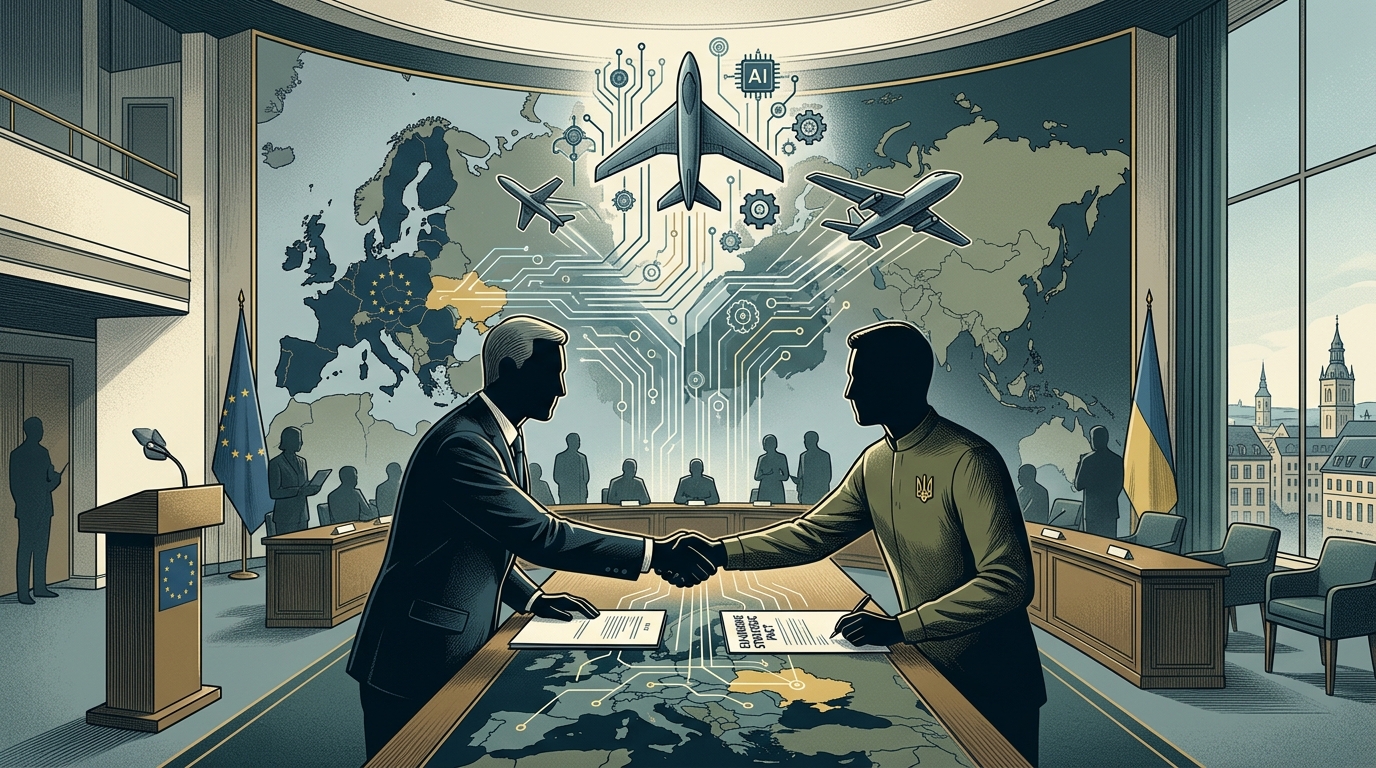
- Strategic defense pacts with NATO members in Eastern Europe.
- The utilization of defense technology as a form of "soft power" across the Muslim world.
This development is causing significant concern in Brussels. The EU’s ambition to establish a "European Defense Pillar" is clashing with the reality that Turkey possesses the second-largest army in NATO and an industrial base moving at a speed that European bureaucracies cannot match. Erdogan is effectively "besieging" the European architecture by proposing an alternative: a Europe that does not rely solely on the Franco-German axis, but recognizes Ankara as an equal, if not dominant, pole of power.
The Western Dilemma and the Mediterranean Equation
For Greece and Cyprus, the elevation of Turkey’s role within NATO presents an enduring strategic challenge. Ankara is attempting to legitimize its claims in the Eastern Mediterranean through allied channels, framing its positions as essential for the stability of the Southern Flank. The "Blue Homeland" rhetoric hasn't been discarded; it has been repackaged within the language of NATO cooperation.
"Turkey is no longer on the periphery. It is the player dealing the cards in the region, and the West seems increasingly willing to accept this to maintain Alliance cohesion against Russia," notes a senior diplomatic source.
In conclusion, the 2026 Ankara Summit marks the formal beginning of a new era. By blending hard power, indigenous defense technology, and opportunistic diplomacy, Erdogan has transformed Turkey into a player that Europe cannot ignore, yet cannot fully trust. The question remains: how far can this "siege" go before the structural integrity of NATO and the EU begins to fracture under the weight of Turkish ambitions?