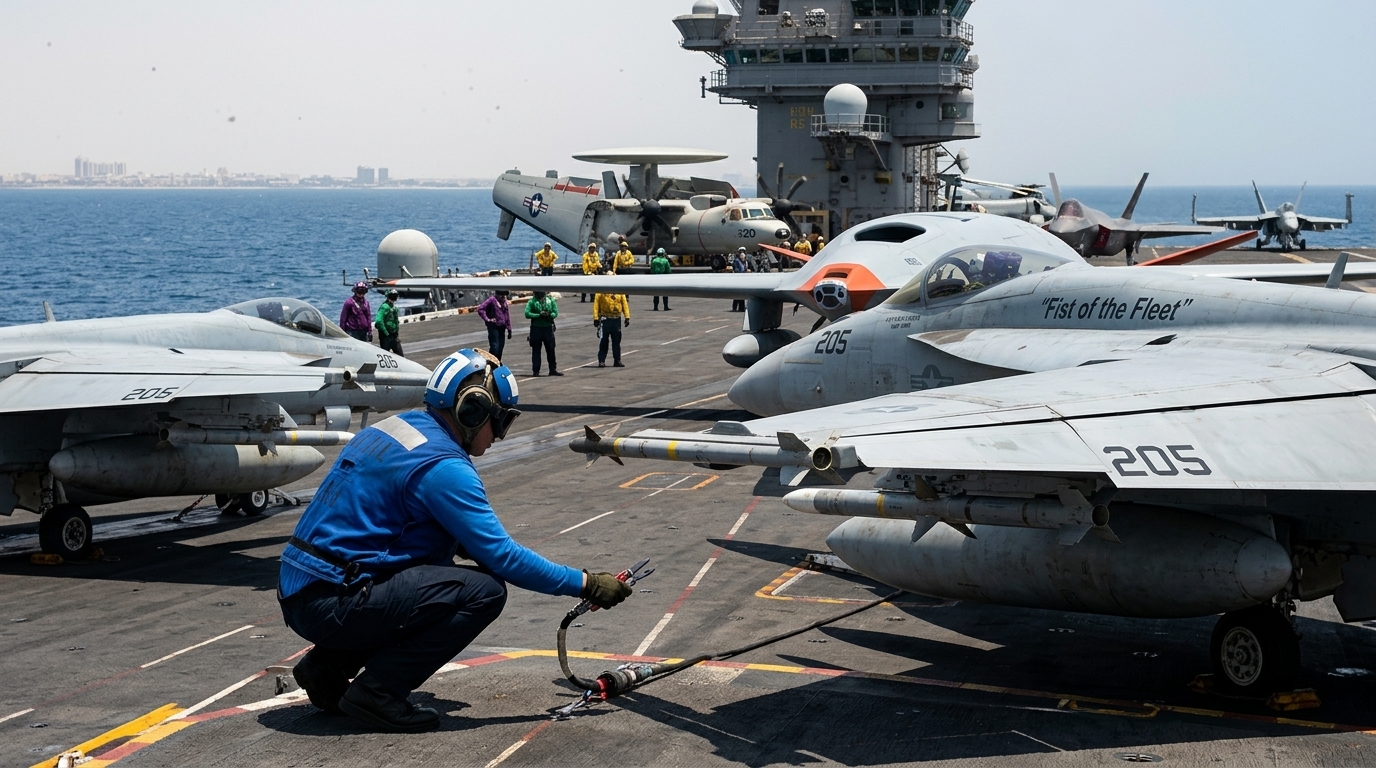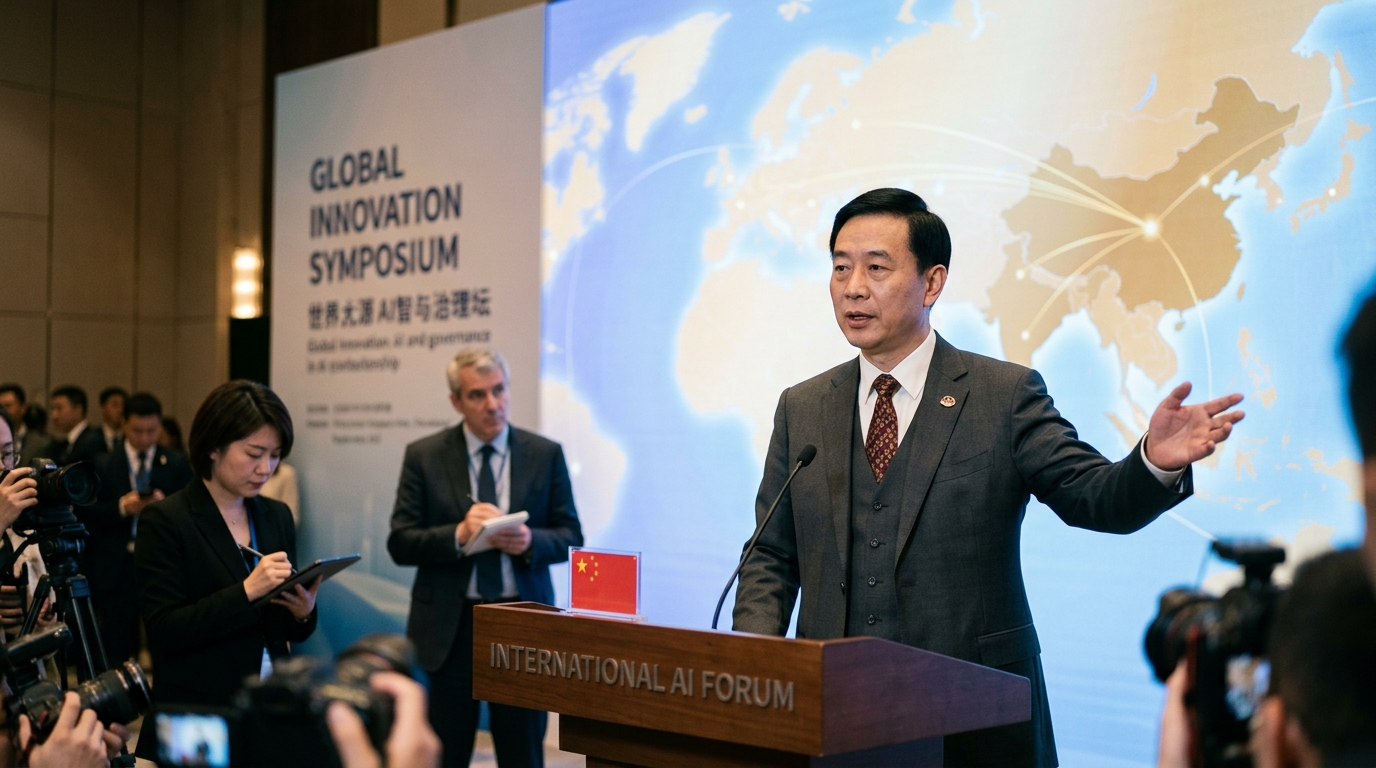
In a statement poised to resonate deeply within Western diplomatic and military circles, Dutch General Onno Eichelsheim, Chief of Defense of the Netherlands, has sounded a stark alarm regarding Ukraine's future. According to the General, traditional military might and conventional warfare methods are no longer sufficient for Kyiv's survival against the Russian war machine. Artificial Intelligence (AI) is no longer a futuristic luxury; it is the sole tool capable of providing the necessary edge in a war of attrition that increasingly resembles World War I, yet operates at 21st-century speed.
The Asymmetry of the Battlefield and the Role of Algorithms
General Eichelsheim’s core thesis is grounded in the reality that Ukraine cannot win a war of numbers. Russia possesses a significantly larger population pool and an industrial base that has been fully transitioned to a war footing. In this context, "smart" defense is the only viable path forward. AI allows for the real-time processing of vast amounts of data from sensors, satellites, and drones, enabling Ukrainian commanders to make decisions in seconds that previously required hours of staff work.
Specifically, the use of AI in Unmanned Aerial Vehicles (UAVs) is a game-changer. Military analysts point out that Russian Electronic Warfare (EW) systems have become exceptionally effective at jamming drones that rely on GPS signals or remote manual control. Integrating autonomous target recognition algorithms directly into drone hardware allows the weapon to complete its mission even when the link to the operator is severed. This "edge autonomy" is what, according to the Dutch General, will determine who controls the battlefield in the coming months.
Ukraine as the World's Largest AI Laboratory
It is no secret that the conflict in Ukraine has transformed into a testing ground for the West's most advanced technologies. Companies like Palantir and Clearview AI are working closely with the Ukrainian Ministry of Defense, providing systems that fuse ground intelligence with satellite imagery analysis. Eichelsheim emphasizes that this public-private partnership is critical. "It’s not just about who has the most tanks, but who has the best algorithm to detect and neutralize them before they even deploy," sources close to the Dutch staff suggest.
Furthermore, AI is being utilized to optimize logistics. In a war where munitions are in constant short supply, the ability to accurately predict where and when supplies will be needed can save thousands of lives. AI analyzes consumption patterns and enemy movements, suggesting resupply routes that minimize the risk of detection by Russian aerospace forces. This predictive capability is vital for a military that must make every shell count.
Ethical Dilemmas and the Acceleration of War
However, the General's warning also brings dark questions to the surface. Dependence on AI means that humans are gradually being pushed out of the "OODA loop" (Observe, Orient, Decide, Act). If Ukraine is forced to deploy fully autonomous lethal systems to survive, it opens a Pandora’s box for a new era of warfare where machines decide on life and death without human intervention.
Eichelsheim acknowledges these risks but stresses the existential nature of the threat to Ukraine. When the choice is between ethical purity and national survival, the scales inevitably tip toward the latter. The West, he argues, must accelerate the delivery of such technologies, as time favors Russia, which is also investing heavily in its own military AI, often aided by expertise from the East. The race for algorithmic supremacy is now as critical as the race for nuclear weapons was in the previous century.
Conclusion: The New Geopolitics of Intelligence
The Dutch General's intervention marks a shift in NATO’s strategic thinking. The era when technology was seen merely as a force multiplier has passed. Now, Artificial Intelligence is viewed as the very foundation of power. For Ukraine, integrating AI is no longer a matter of modernization; it is a matter of physical survival. If Kyiv fails to dominate the digital domain, its territory will be irrevocably lost under the tracks of a force that bets on quantity over quality. The message is clear: in the modern age, the code is as lethal as the cannon.