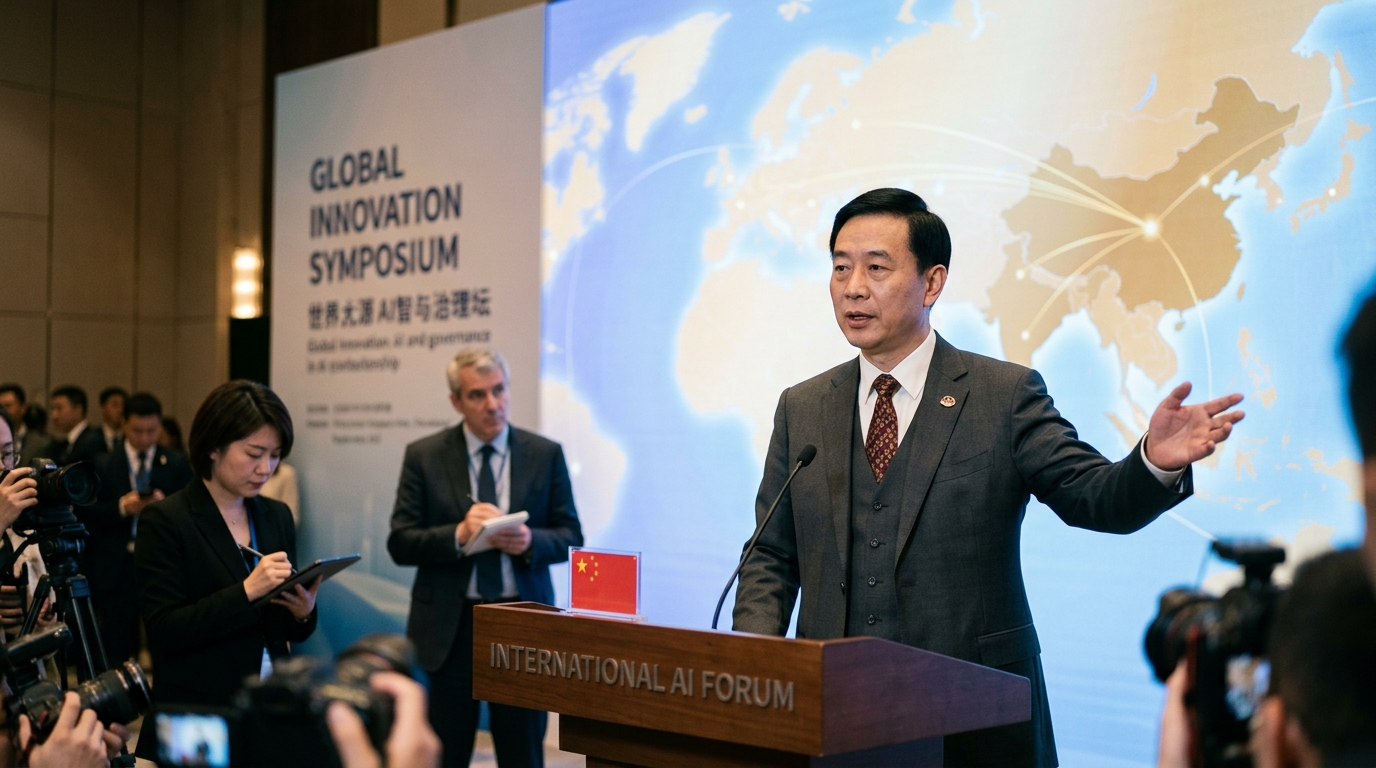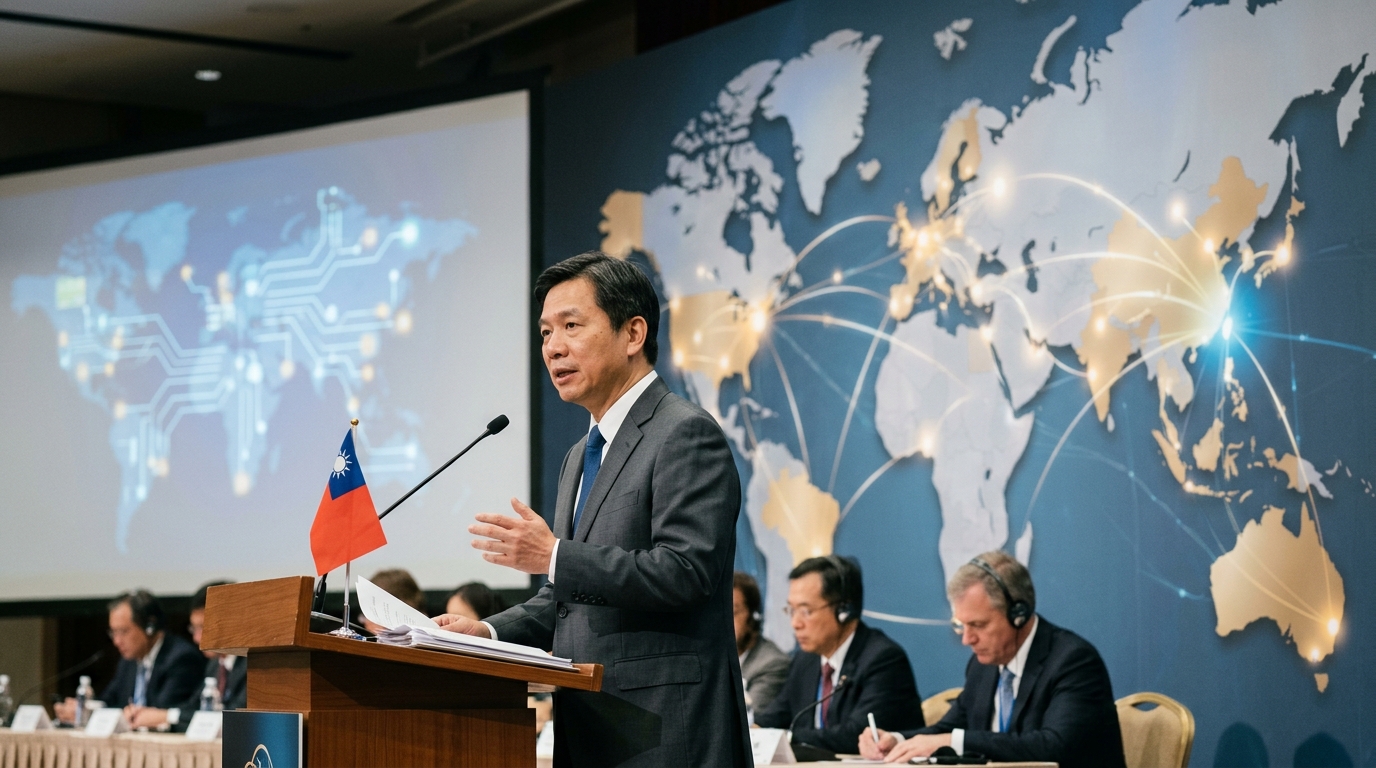
In Nicosia, traditional election rallies and street banners are giving way to a much more invisible, yet significantly more dangerous battle: the war of algorithms. As we navigate May 2026, the election period in Cyprus is evolving into a litmus test for how Artificial Intelligence (AI) can redefine the democratic process in a small but geopolitically crucial Mediterranean nation. Polarization is no longer just verbal on television screens; it is digital, targeted, and often synthetic.
The Rise of Deepfakes and the Collapse of Trust
This year's electoral landscape in Cyprus is characterized by a disturbing use of deepfakes. Already, incidents have been recorded where videos and audio clips of political leaders have been manipulated via AI to present statements that were never made. The stakes are not just about misleading the voter, but the complete erosion of the concept of objective truth. When citizens cannot believe their own ears or eyes, democratic discourse collapses.
Analysts point out that Cyprus, due to its size and tight-knit social structures, is particularly vulnerable to such "games of impressions." A piece of fake news spread via WhatsApp or Messenger can reach a huge percentage of the population within hours, before official bodies or media outlets have a chance to debunk it. This "instant propaganda" is the new weapon in the arsenal of communication consultants, who seem to be operating at the fringes of ethics and the law.
Political Polarization and Algorithmic Echo Chambers
The polarization observed in Cypriot society is not a new phenomenon, but Artificial Intelligence has amplified it to an extreme degree. Social media algorithms, designed to maximize engagement, prioritize content that triggers anger and division. In the Cyprus of 2026, voters find themselves trapped in digital "echo chambers," where they only hear opinions that confirm their existing biases.
"Democracy requires common ground. When the algorithm decides that common ground is not profitable, then the very foundation of political coexistence is threatened," notes a political scientist from the University of Cyprus.
Hate speech and the targeting of opponents have taken on new dimensions. These are no longer random attacks, but orchestrated campaigns using AI to analyze users' psychological profiles and deliver the right polarizing message at the exact right moment. This micro-targeting makes traditional political advertising look like a tool from the Stone Age.
The European Response and the Implementation Gap
Despite the strength of the European AI Act, its practical implementation during a fast-paced election period is proving difficult. Cypriot authorities, though staffed with capable experts, struggle to monitor the sheer volume of information being generated. Identifying "synthetic content" takes time, while elections are often won or lost in seconds.
Furthermore, there is the issue of geopolitical influence. Cyprus, as an EU member state with unique relationships with external actors, often serves as a testing ground for foreign influence operations. The use of AI by foreign decision-making centers to destabilize the domestic front is a risk that Nicosia and Brussels are watching with bated breath. Protecting the integrity of elections is no longer just a matter of ballot box security, but a matter of cybersecurity and cognitive defense.
Conclusion: The Future of Democracy
The 2026 elections in Cyprus will go down in history as the region's first "AI elections." The lesson learned is that technology, while offering tools for better communication, can just as easily be used to undermine institutions. The need for a digitally literate citizen is more urgent than ever. Democracy in Cyprus is called upon to prove that human judgment remains stronger than the most sophisticated algorithm, at a time when impressions tend to become the only reality.
- The use of deepfakes undermines trust in political institutions.
- AI-driven micro-targeting intensifies social polarization.
- Implementing the EU AI Act faces practical difficulties in real-time scenarios.
- The risk of foreign interference remains high due to Cyprus's geopolitical position.