The Sea of Oman has once again become the stage for an international standoff, as Iran and the United States engage in a war of narratives over a recent maritime incident. According to state-linked media in Tehran, the Islamic Revolutionary Guard Corps (IRGC) successfully thwarted a U.S. Navy operation aimed at seizing an Iranian merchant vessel. This incident is not merely an isolated friction but reflects the deep-seated suspicion and strategic rivalry that has defined the relationship between the two nations for decades.
The Iranian Narrative: 'Heroic Deterrence' and Propaganda
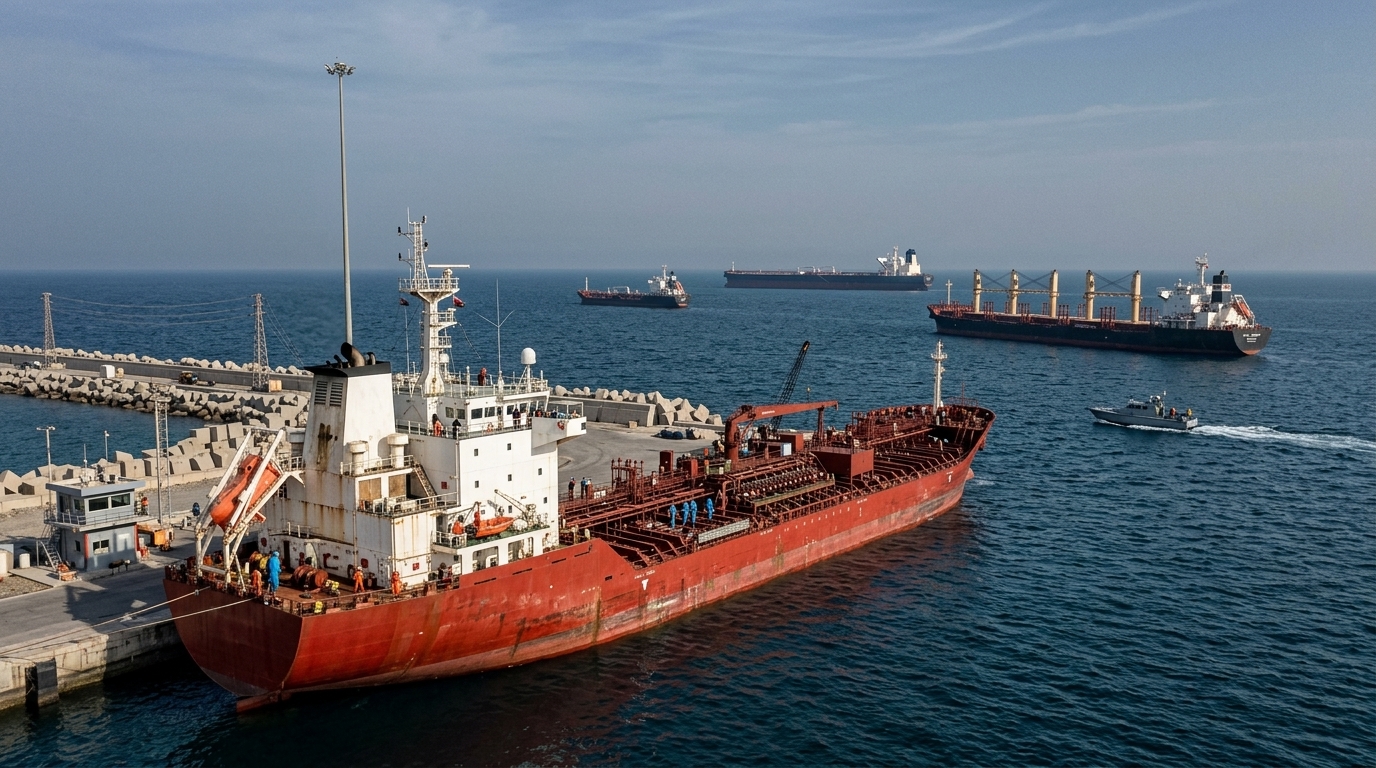
The semi-official Mehr news agency, citing IRGC sources, described a dramatic confrontation. According to the report, American forces utilized helicopters and warships to approach the Iranian vessel, intending to inspect its cargo or redirect it to an unknown location. Tehran claims that the swift and forceful intervention of IRGC speedboats forced the U.S. forces to retreat. The rhetoric used in Iranian media is highly charged, presenting the event as a major victory for national sovereignty against 'imperialist aggression.'
Such reports often serve domestic purposes in Iran, boosting the morale of security forces and portraying the regime as the undisputed protector of national interests in the Persian Gulf. However, the lack of independent confirmation or visual evidence documenting the extent of the confrontation leaves many international analysts skeptical.
The American Stance: Silence and Strategic Calm
From Washington's perspective, initial reactions have been measured. The Pentagon and the U.S. Fifth Fleet, based in Bahrain, frequently dismiss such claims as 'unfounded' or 'misleading.' In the past, similar incidents have been revealed to be routine maneuvers or the monitoring of vessels suspected of violating international sanctions.
The U.S. maintains that its presence in the region is intended to ensure freedom of navigation, a principle vital to the global economy given that a vast percentage of the world's oil passes through the Strait of Hormuz. Washington's strategy appears to be avoiding escalation through rhetoric, choosing instead to respond with technical details and satellite data when necessary to debunk Iranian claims.
The Geopolitical Significance of the Sea of Oman
The Sea of Oman and the neighboring Strait of Hormuz represent perhaps the most critical 'chokepoint' for global energy. Any instability in this region has an immediate impact on international oil prices and the energy security of Europe and Asia. Iran is well aware of this leverage and uses it as a bargaining chip in negotiations regarding its nuclear program and the lifting of sanctions.
- Energy Security: Over 20% of global oil consumption passes through these waters.
- Nuclear Negotiations: Maritime tensions often coincide with critical phases of diplomatic talks.
- Regional Hegemony: The rivalry between Iran and Saudi Arabia often spills over into the maritime domain.
"The sea is not just a highway for trade, but a theater of power projection where a single misunderstanding can lead to an uncontrollable conflict," notes a defense analyst.
Technology and Hybrid Warfare in the Maritime Domain
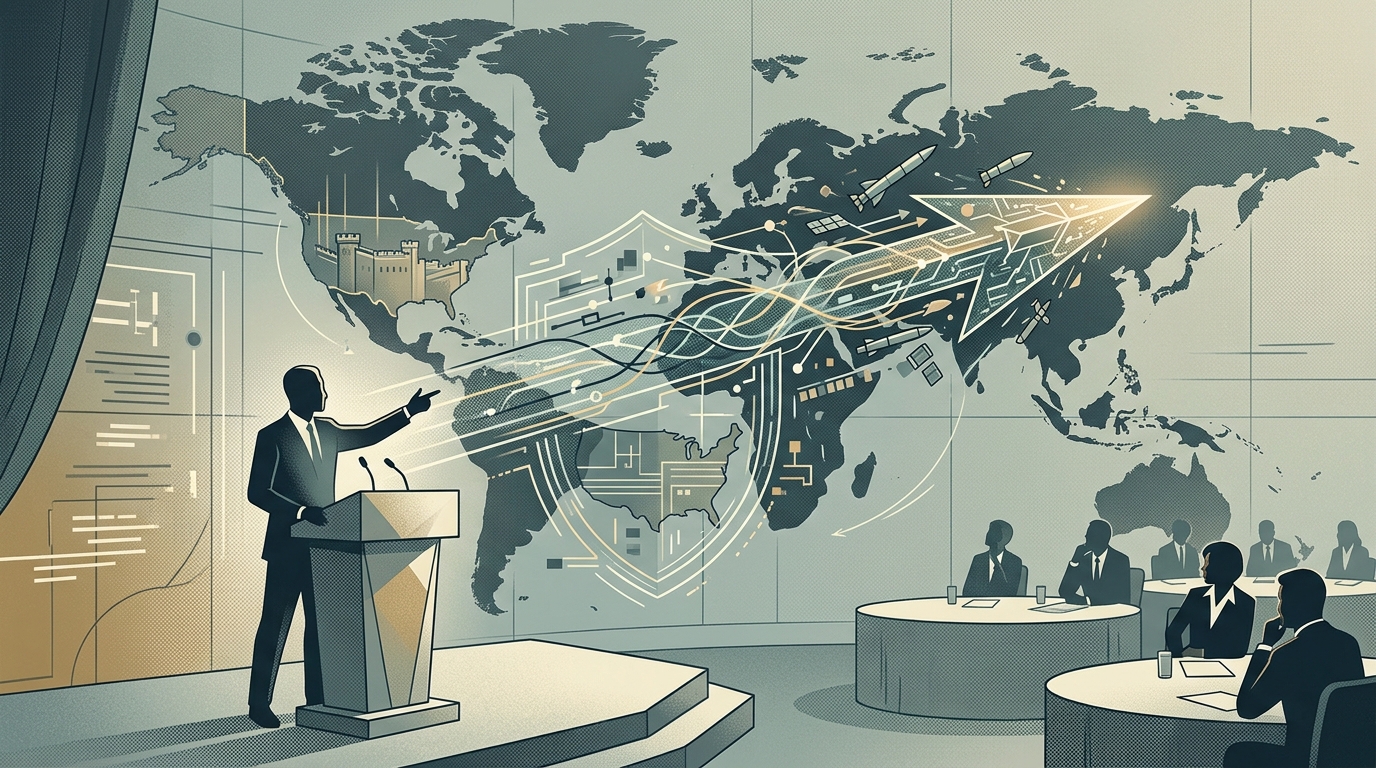
As The AI Chronicle, we must highlight the role of technology in these confrontations. The use of Unmanned Aerial Vehicles (UAVs) and autonomous maritime vessels has changed the rules of the game. Iran has invested heavily in asymmetric warfare tactics, utilizing swarms of speedboats and drones to challenge the much larger and more sophisticated American fleet. Furthermore, information warfare is conducted at light speed on social media, where footage from soldiers' cameras becomes a propaganda tool before an incident even concludes.
Satellite data analysis and the use of artificial intelligence to track ship movements now allow the global community to have a clearer picture, although the 'fog of war' remains thick when state interests are involved. The possibility of an accident or a miscalculation remains the greatest risk to regional peace. In an era where digital narratives can be as influential as physical force, the battle for the 'truth' in the Sea of Oman is as critical as the naval maneuvers themselves.