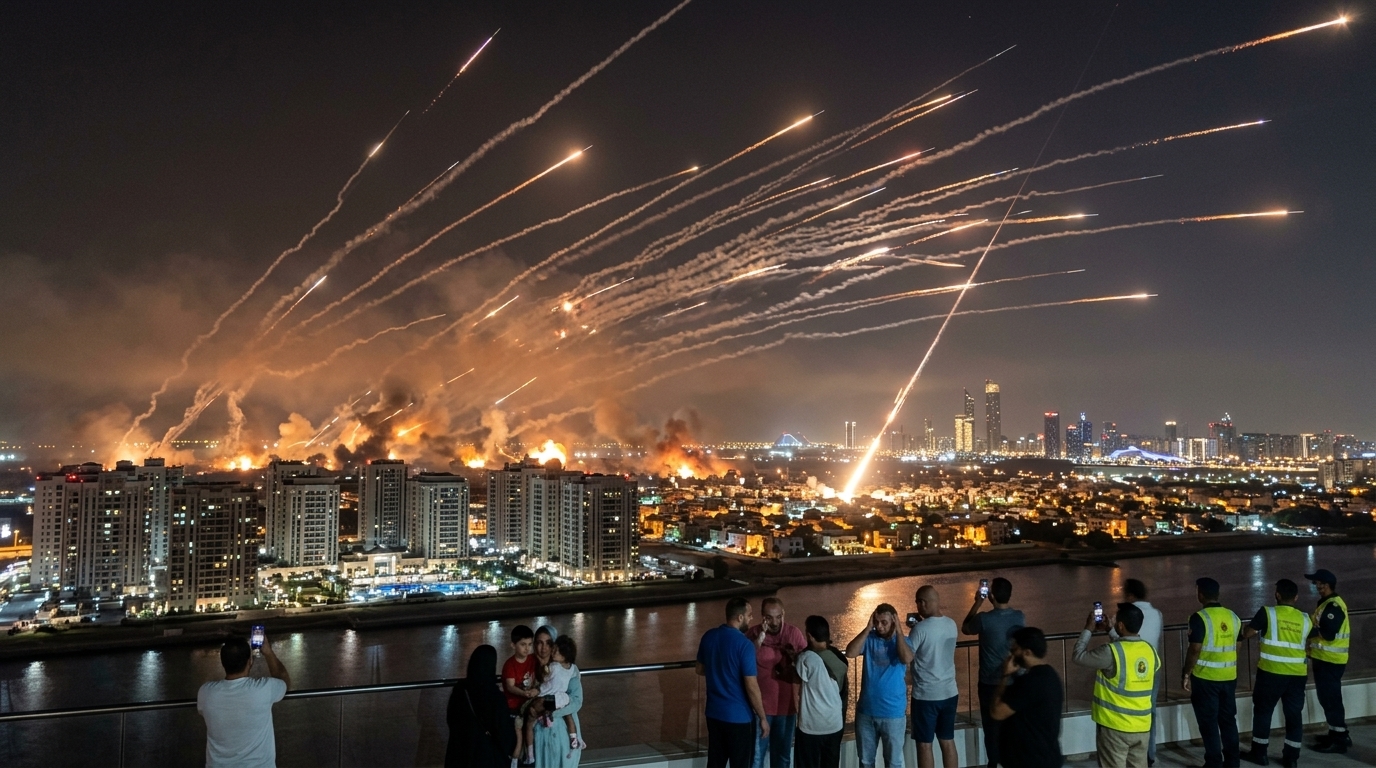
The geopolitical architecture of the Middle East is being shaken to its core following recent revelations from the United Arab Emirates (UAE) regarding the origin and targets of aerial attacks on its territory. According to official reports, over 90% of the fire — attributed to Iranian forces or their proxies — was directed not at military installations, but directly at civilian infrastructure. This news, initially reported by international networks and echoed by Naftemporiki, highlights a dangerous shift in the rules of engagement in the region.
The Targeting of Civilians as a War Strategy
The revelation that the overwhelming majority of attacks targeted non-military assets raises serious questions about Tehran's strategy. In traditional military theory, attacks on vital infrastructure — such as airports, desalination plants, and energy grids — are intended to paralyze the economy and terrorize the population. For the UAE, a country that has invested billions in its image as a safe global hub for trade and tourism, such attacks represent an existential threat.
Analysts point out that the use of precision drones and ballistic missiles suggests that the choice of targets was not accidental. On the contrary, it appears to be part of a broader effort to pressure Abu Dhabi into reconsidering its alliances, particularly following the Abraham Accords and its rapprochement with Israel. The targeting of civilian infrastructure is a flagrant violation of international humanitarian law, which mandates a clear distinction between combatants and civilians.
Technology as Both Shield and Threat
In this new threat landscape, artificial intelligence and advanced air defense systems play a leading role. The UAE has invested heavily in systems like THAAD and Patriot, which utilize algorithms to detect and intercept threats in fractions of a second. However, the sheer volume of attacks — often in the form of swarms — tests the limits of these systems. The ability of Iranian-made drones to fly at low altitudes and perform complex maneuvers makes them exceptionally difficult for traditional radar to identify.
Furthermore, the use of AI by attackers to program flight paths and evade air defense zones is creating a "digital intelligence" arms race. The Middle East has become a testing ground for 21st-century warfare, where data and processing speed determine life and death. The destruction of civilian infrastructure through such means is not merely a military act; it is a message to the international community about the vulnerability of modern states in an era of asymmetric warfare.
Geopolitical Implications and the Western Stance
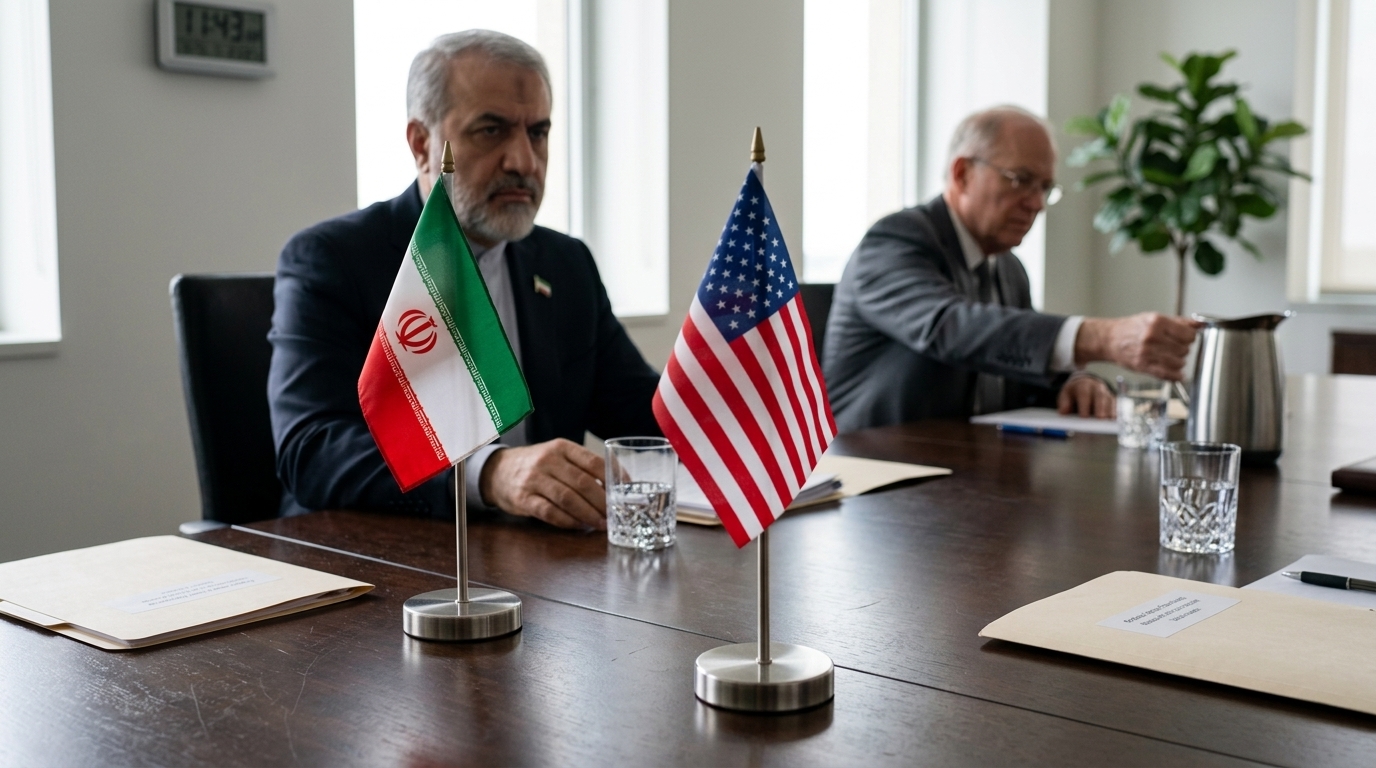
The international community's response to the UAE's allegations is expected to be forceful. Washington and its European partners face a dilemma: how to contain Iranian aggression without triggering a general conflagration that would send oil prices skyrocketing and destabilize the global economy. While the US has increased its regional presence, the strategy of proxy warfare allows Iran to maintain a degree of plausible deniability, complicating direct diplomatic or military responses.
For countries like Greece and Cyprus, these developments hold particular significance. Athens' strategic relationship with Abu Dhabi in defense and energy means that any instability in the Emirates has a direct impact on the broader Eastern Mediterranean region. The security of maritime routes and the protection of energy infrastructure are shared interests that demand coordinated action and the strengthening of deterrent power through technological superiority.
Conclusion: A Fragile Balance
The UAE's claim that 90% of strikes targeted civilian assets changes the narrative of the conflict. This is no longer just a border dispute or a clash of armies, but a total low-intensity war aimed at the heart of social and economic life. The need for a new security framework in the Middle East, incorporating protection against cyber-attacks and drone swarms, is more urgent than ever. The future will be decided not only on the battlefield but also in diplomatic corridors, where pressure on Tehran must be accompanied by credible security guarantees for the Gulf states.