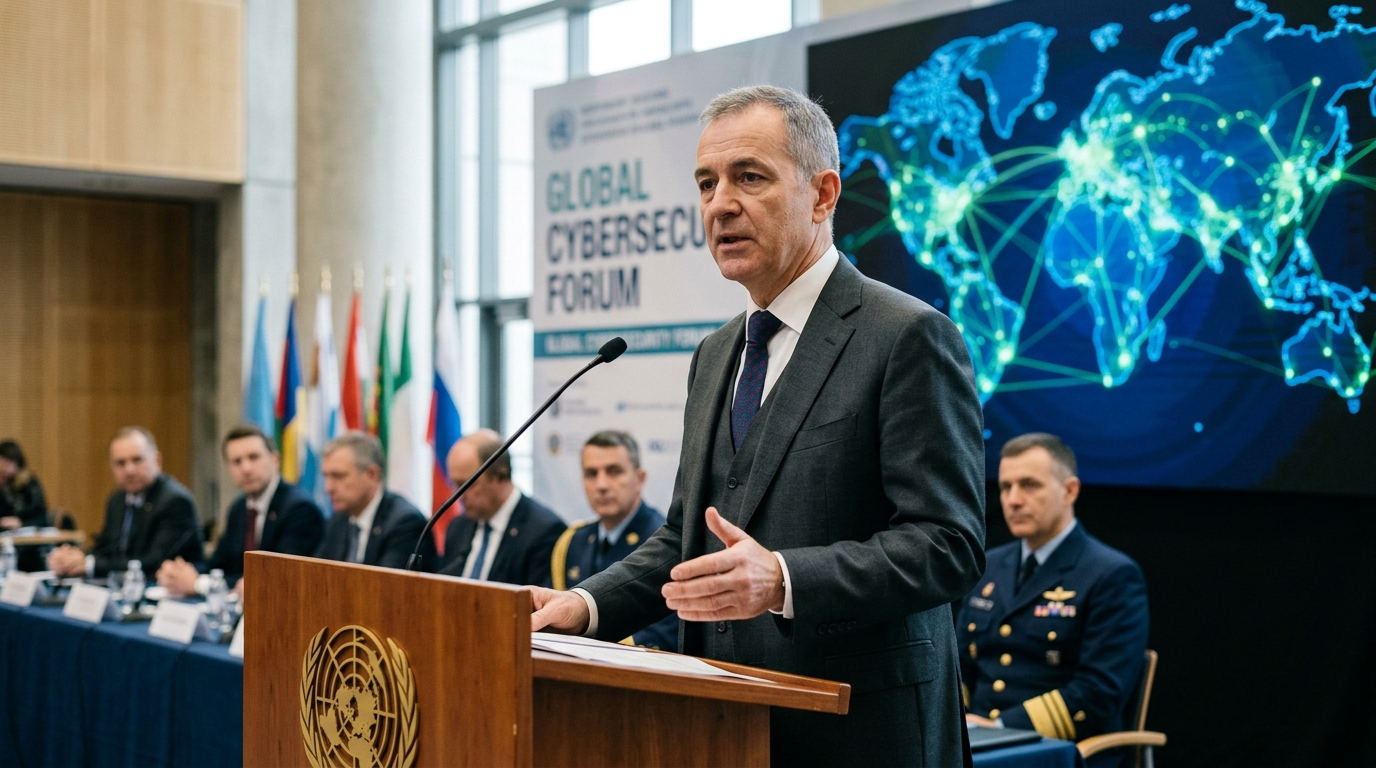
The international diplomatic stage is watching with bated breath as the dynamics between Washington and Tehran shift into a state of profound suspicion and dangerous uncertainty. According to a report by Axios, the Iranian leadership is increasingly convinced that the Trump administration's recent invitation for diplomatic talks in Pakistan is nothing more than a strategic "trap." In Tehran, the fear is no longer confined to economic pressure; it has evolved into a concrete concern over a potential pre-emptive military strike that could fundamentally alter the regional balance of power.
The Strategy of 'Maximum Ambiguity'
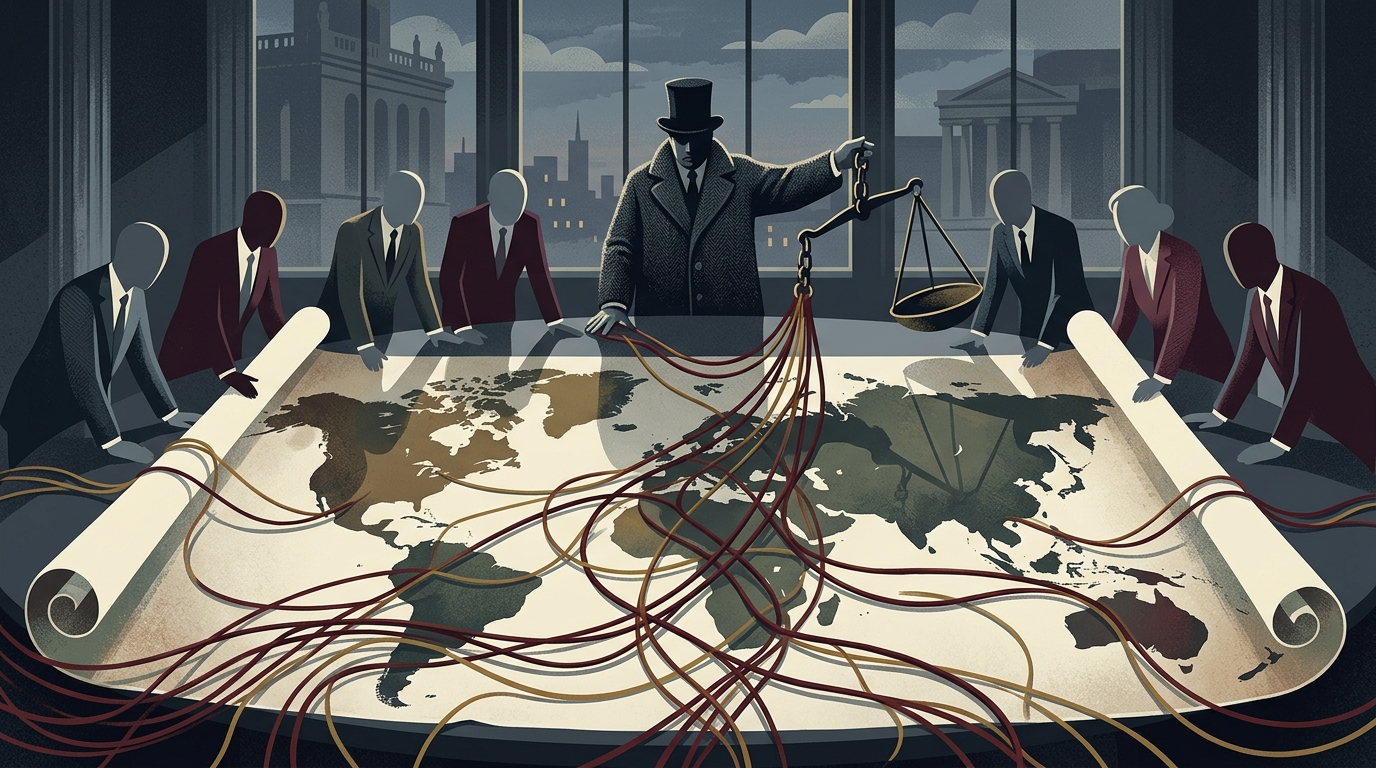
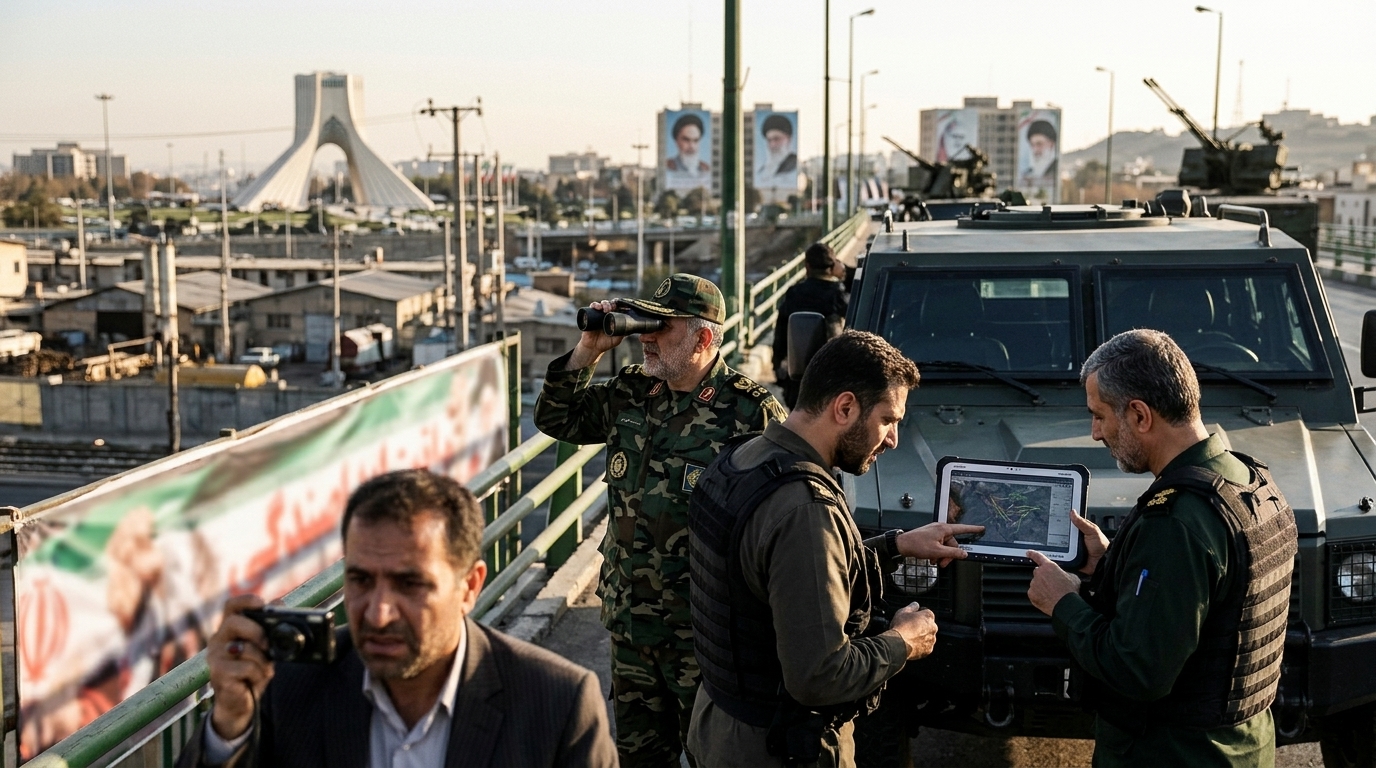
Donald Trump, consistent with his doctrine of unpredictable foreign policy, appears to be utilizing diplomacy as a tool of psychological warfare. For Iranian analysts and officials within the Islamic Revolutionary Guard Corps (IRGC), the proposal for a meeting on neutral ground, such as Islamabad, bears a striking resemblance to the maneuvers that have historically preceded major military escalations. The suspicion is rooted in the belief that Washington seeks to "lull" Iranian defenses into a false sense of security by presenting a facade of openness, while simultaneously finalizing the operational details of a strike against strategic infrastructure or the country's nuclear program.
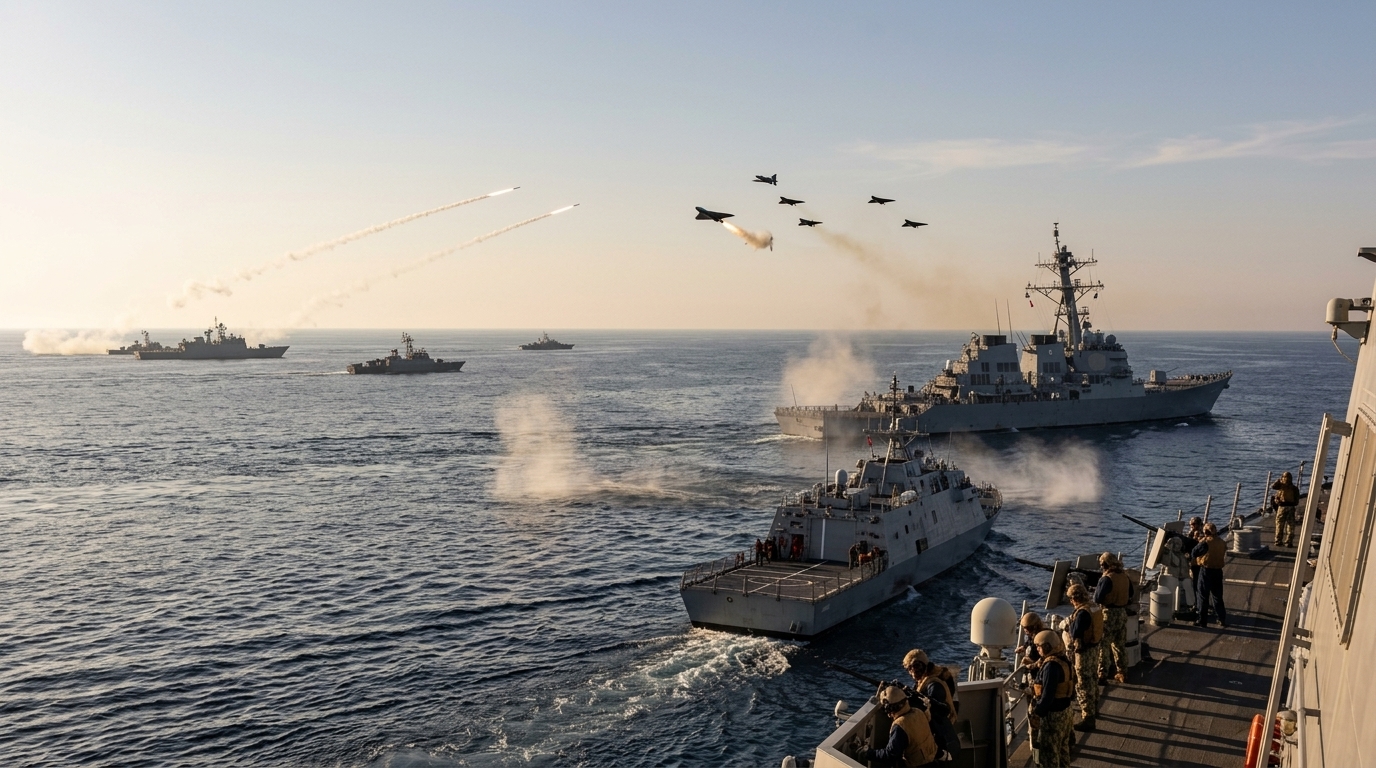
Tehran has not forgotten the 2020 assassination of Qasem Soleimani, an act that demonstrated Trump's willingness to bypass traditional "red lines." Today, with a cabinet that includes some of the most vocal critics of the Iranian regime, the message reaching Tehran is dualistic. On one hand, Trump speaks of wanting a "grand bargain," while on the other, reports of increased U.S. military posturing in the Persian Gulf reinforce the narrative of an impending confrontation.
The Pakistan Channel and the Diplomatic Chessboard
The choice of Pakistan as a potential venue for talks is strategic. Islamabad maintains a delicate balance between the West and its neighbor, Iran. However, for Tehran, any involvement of a third party at this stage is viewed with skepticism. Iranian officials worry that the U.S. is using the consultation process to gather intelligence on the regime's current intentions and defensive capabilities.
- Suspicion regarding diplomacy as a vehicle for intelligence gathering.
- Internal pressure within Iran to resist what is perceived as "blackmail."
- The fear that refusing talks will be used by the U.S. as moral justification for an attack.
- The significant influence of Israeli security concerns on White House decision-making.
Inside Iran, a fierce debate is raging between reformers under President Pezeshkian, who seek a path out of crippling sanctions, and hardliners who view any contact with Trump as a form of betrayal. The latter argue that Trump is not interested in a deal, but rather in total capitulation or the eventual collapse of the Islamic Republic. The "trap" theory serves to unify hardline elements, who warn that history—specifically the 2018 withdrawal from the JCPOA—proves that the U.S. does not honor its agreements.
The Implications of a Potential Conflict
Should Tehran's fears prove correct and the diplomatic route is indeed a smokescreen for military action, the consequences for global economy and security would be catastrophic. A strike on Iran could trigger an immediate conflagration across multiple fronts: from Lebanon and Yemen to the Strait of Hormuz, through which 20% of the world's oil flows. Energy markets are already on high alert, with crude prices reacting to every rumor emanating from the Middle East.
"In geopolitics, the perception of a threat is often as dangerous as the threat itself. When one side believes that peace is a trap, conflict becomes a self-fulfilling prophecy."
In conclusion, the situation remains extremely fluid. Trump is playing a high-stakes game, betting that extreme pressure will extract concessions. However, in Tehran, the memories of the past decade and the ideological rigidity of the IRGC have built a wall of mistrust that is unlikely to be dismantled by a simple invitation to talk. The question remains whether there is still room for genuine diplomacy or if both nations have already entered a collision course from which there is no turning back.