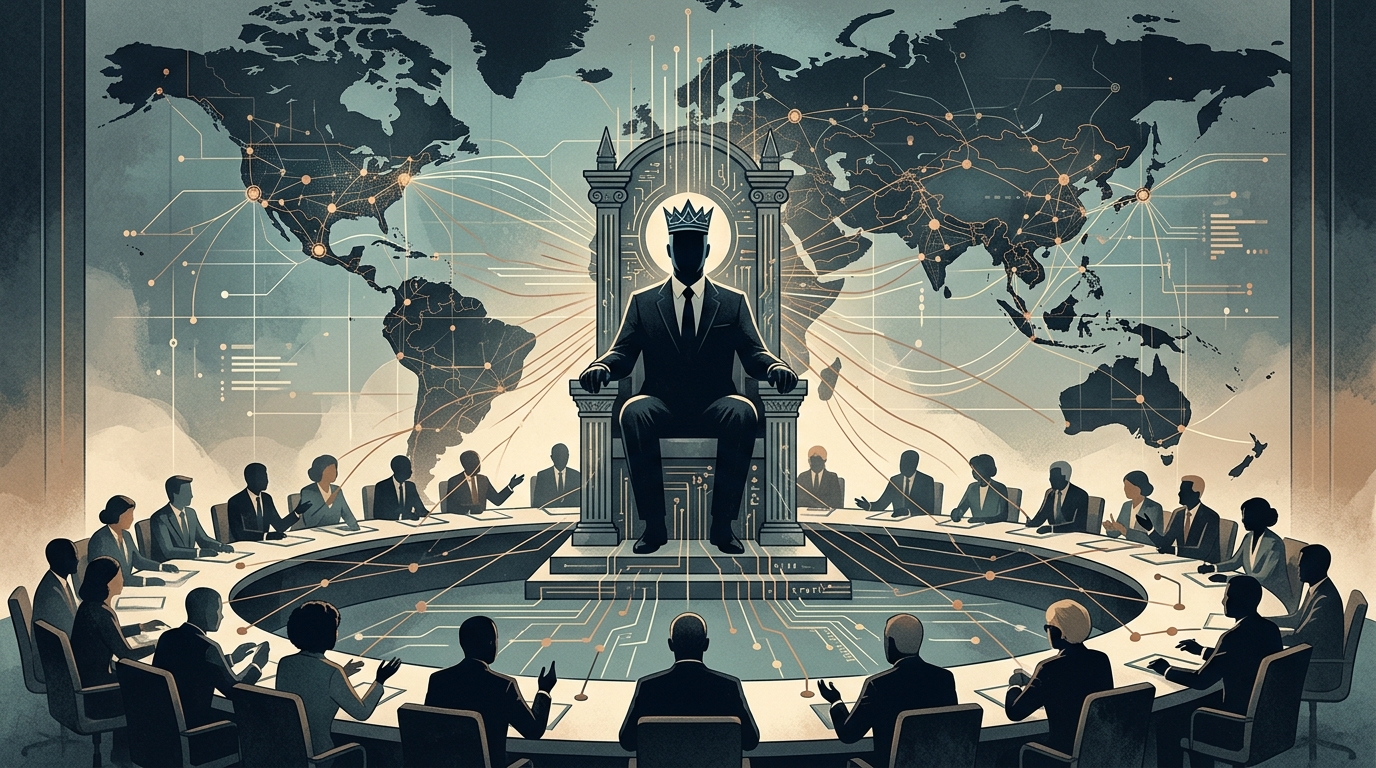
The global AI chessboard is vibrating from a new, unprecedented intervention. The Chinese government, through its regulatory bodies, is moving decisively to block Meta’s (parent company of Facebook and Instagram) attempt to proceed with a critical acquisition in the artificial intelligence sector. This move is not merely a bureaucratic entanglement; it is a clear statement of geopolitical power in an era where computing power and algorithms are considered the new nuclear weapons.
The Weaponization of Antitrust Legislation
For years, the West used antitrust laws to curb the power of Big Tech. Now, Beijing is adopting the same strategy, albeit with a different motive. China’s State Administration for Market Regulation (SAMR) is reportedly scrutinizing Meta's deal, citing risks to competition in the broader Asia and Southeast Asia region, where Chinese influence is traditionally potent.
This strategy is a 'mirror image' of US restrictions against Huawei and TikTok. By preventing Meta from acquiring specialized technology or talent that could give it an edge in Generative AI, China is attempting to ensure that its own national champions, such as Baidu and Alibaba, do not fall behind in the race for Artificial General Intelligence (AGI).
What’s at Stake for Mark Zuckerberg
For Meta, this acquisition was not just another addition to its portfolio. Following the controversial pivot toward the Metaverse, the company has invested billions in developing the Llama model, promoting an open-source philosophy to compete with OpenAI and Google. However, the need for vertical integration—controlling both the software and the specialized infrastructure—remains imperative.
- Meta seeks to reduce its dependence on third-party hardware providers.
- The target company holds patents that significantly accelerate the training of large language models.
- The failure of the deal could delay Meta's plans for integrating AI into wearables and AR glasses.
“Artificial Intelligence is no longer a commercial product; it is the foundation of 21st-century national security,” analysts in Washington state, highlighting the gravity of the Chinese intervention.
Geopolitical Implications and the 'Tech Decoupling'
This move signals the end of the era where tech acquisitions were judged solely on financial merits. We are now in the phase of full 'decoupling' between the US and China. The fact that China can block a deal between a US company and a target that may even be based outside of China stems from the sheer size of the Chinese market: if Meta wants to maintain any business activity or supply chain presence in the region, it must comply.
This 'regulatory hostage-taking' sets a dangerous precedent. If every major AI acquisition turns into a diplomatic incident, innovation risks stagnating within a quagmire of bureaucracy and nationalist protectionism. Meta is now in the crosshairs not because it broke rules, but because it represents the symbol of American digital power that Beijing wishes to contain.
Conclusion: One World, Two Systems
As we move into the latter half of 2026, the picture is clear: the world is splitting into two technological camps. On one side, the Western model based on private initiative (under state oversight), and on the other, the Chinese model of state capitalism that uses technology as a tool for geopolitical enforcement. The Meta case is only the beginning of a long series of conflicts that will determine who writes the codes of the future.