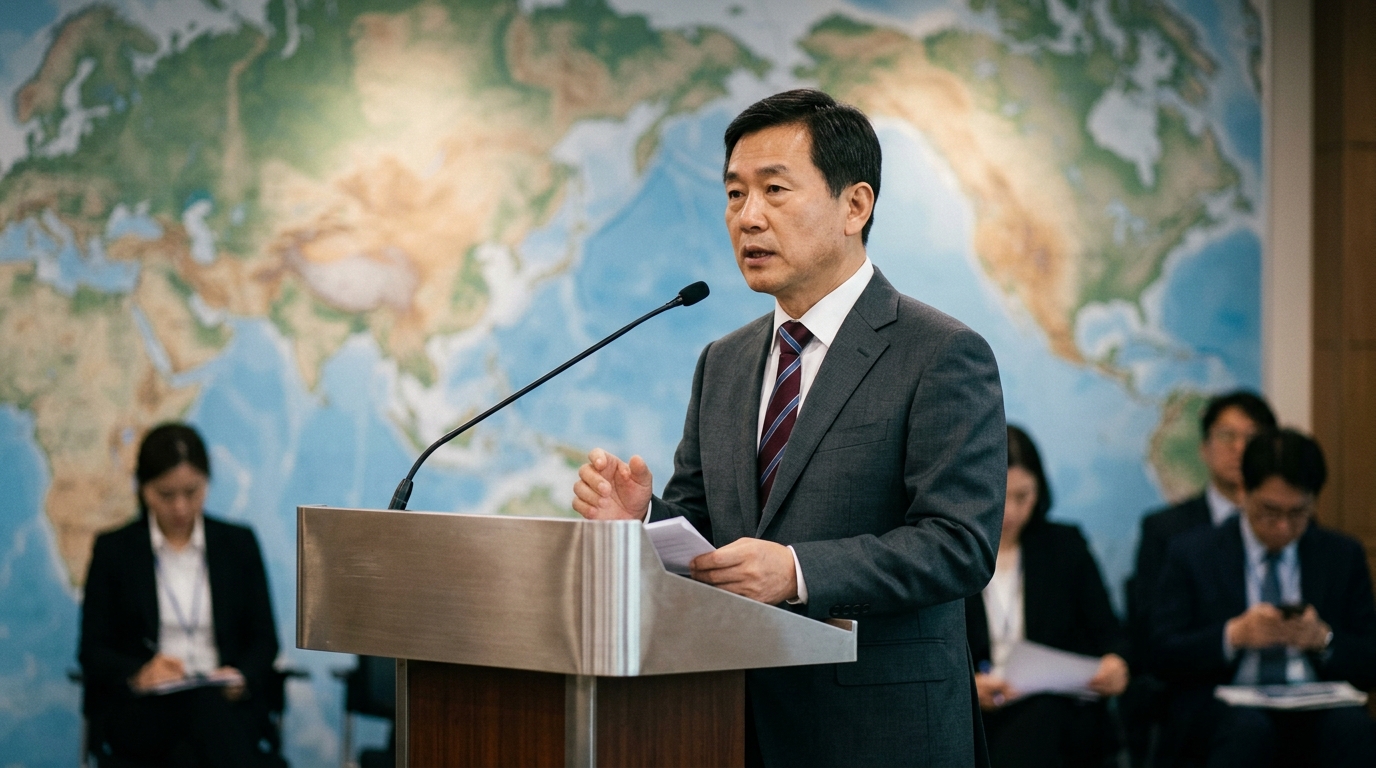
The global race for Artificial Intelligence supremacy is entering a new, more isolationist phase. According to recent reports from Bloomberg, the Chinese government has begun imposing stringent restrictions on overseas travel for top executives and AI researchers at industry giants such as Alibaba and the disruptive newcomer DeepSeek. This decision is far from a mere administrative update; it is a calculated strategic move on the geopolitical chessboard, aimed at safeguarding the 21st century's most valuable resource: human capital.
The Strategy of 'Enclosed Knowledge'
For decades, the scientific community thrived under a paradigm of open collaboration. Chinese researchers formed the backbone of many laboratories in Silicon Valley, while attendance at international conferences like NeurIPS or ICML was seen as essential for the cross-pollination of ideas. However, Beijing is now pivoting toward a defensive posture. The concern is twofold: first, the fear of a 'brain drain' where top-tier talent is lured away by American tech firms and never returns; and second, the protection of critical intellectual property that is now viewed through the lens of national security.
The case of DeepSeek is particularly illustrative. The company recently shocked the global market by releasing models that rival OpenAI’s offerings at a fraction of the training cost. This 'Chinese-style efficiency' is a proprietary secret that Beijing is desperate to keep within its borders. Alibaba, meanwhile, as the traditional pillar of China’s cloud and e-commerce infrastructure, holds vast troves of data and computational power, making its researchers prime targets for foreign intelligence services and corporate competitors alike.
Impact on International Collaboration
These restrictions do not just affect individuals; they alter the very fabric of scientific progress. When scientists cannot travel, innovation becomes siloed. Already, there are reports of researchers being forced to cancel keynote speeches at international forums or decline prestigious visiting positions at foreign universities. This creates a 'digital silo,' where Chinese AI develops in a parallel universe, detached from Western standards and ethical frameworks, but also deprived of the diverse perspectives that fuel breakthroughs.
- Passport restrictions for specialized categories of AI scientists.
- Mandatory security briefings before and after any approved international travel.
- Prohibitions on attending conferences funded by 'unfriendly' nations.
- Enhanced monitoring of researchers' personal and professional foreign contacts.
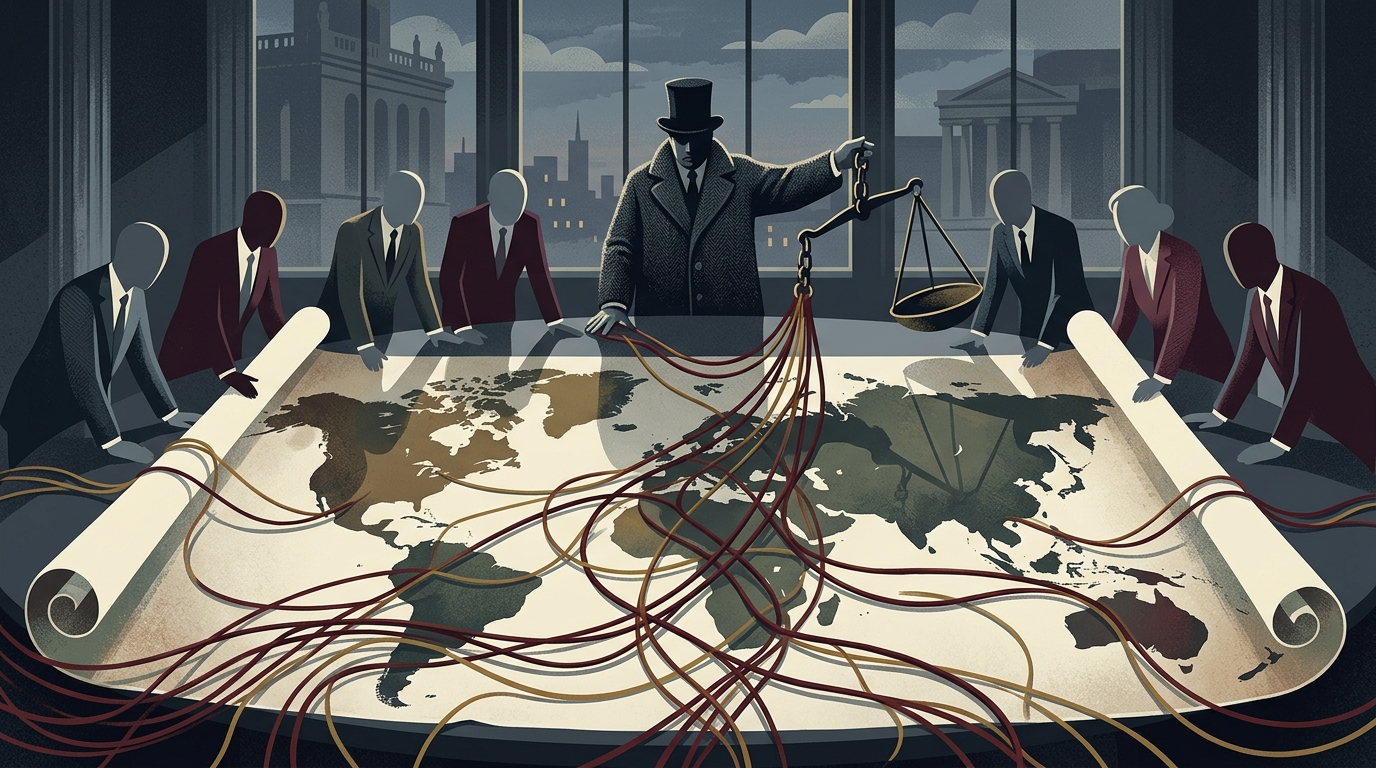
This move coincides with the escalation of U.S. sanctions on high-end chip exports to China. As Washington attempts to starve China of the 'hardware' (the chips), Beijing is responding by 'locking down' the 'software' (the code and its creators). This represents a full-scale technological decoupling that threatens to split the tech world into two distinct, non-interoperable spheres.
Internal Pressure and the Future of Talent
How do the researchers themselves react to these measures? Living in a 'golden cage' comes with a psychological and professional cost. While salaries at Alibaba and DeepSeek are highly competitive, the loss of freedom of movement could lead to internal friction. Young researchers, many of whom were educated in the West, value the cosmopolitan nature of modern science. If they feel their career trajectories are artificially capped by national borders, Beijing risks a decline in morale, a decrease in creative output, or even desperate attempts to defect via third-party jurisdictions.
"Knowledge has no homeland, but the scientist does. In China’s case, the homeland is now claiming exclusive ownership over the scientist’s very thoughts," noted a Singapore-based geopolitical analyst.
In conclusion, the decision to restrict travel is an admission of AI’s central role in national power. It is also a harbinger of a future where ideas stop at borders and technological progress is measured in terms of military-grade security rather than human advancement. The question remains: can innovation truly flourish in an environment of restriction, or is China sacrificing long-term leadership for short-term control?