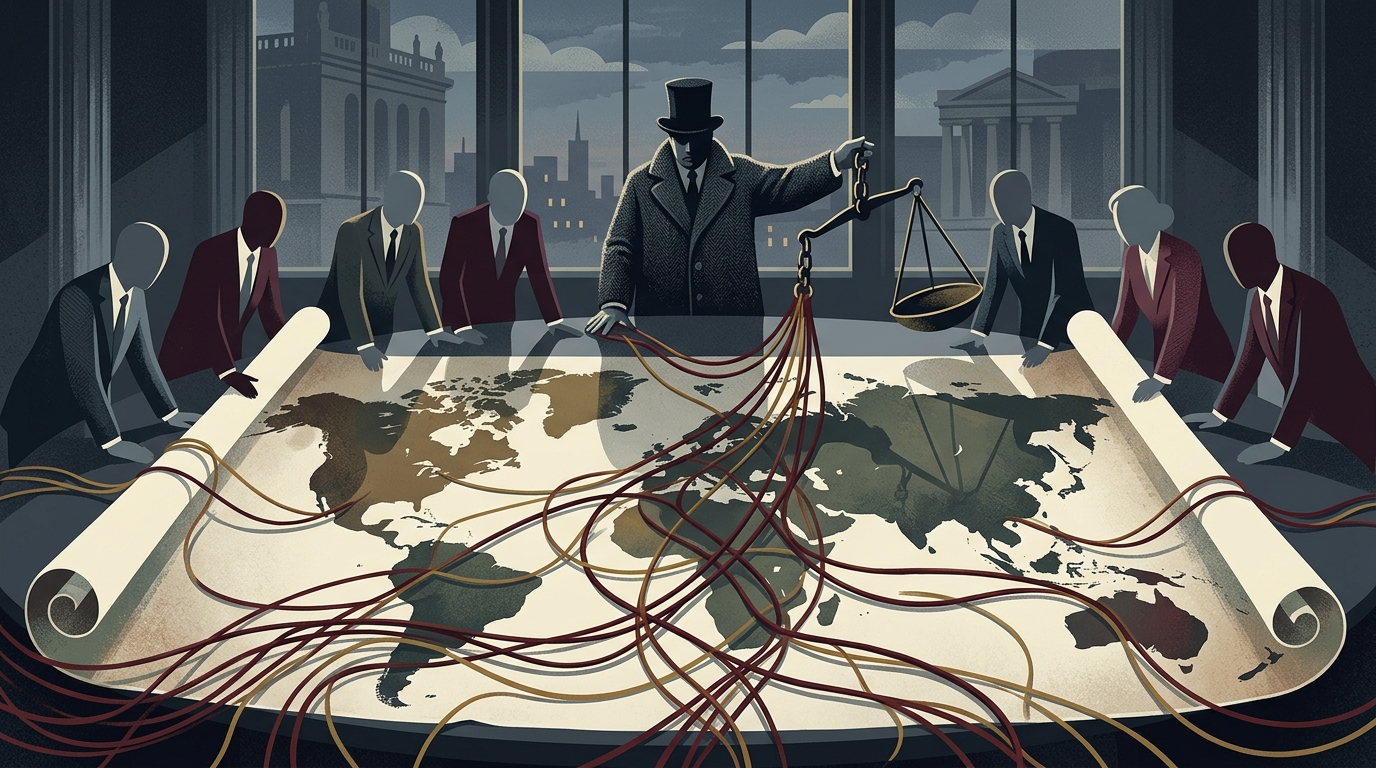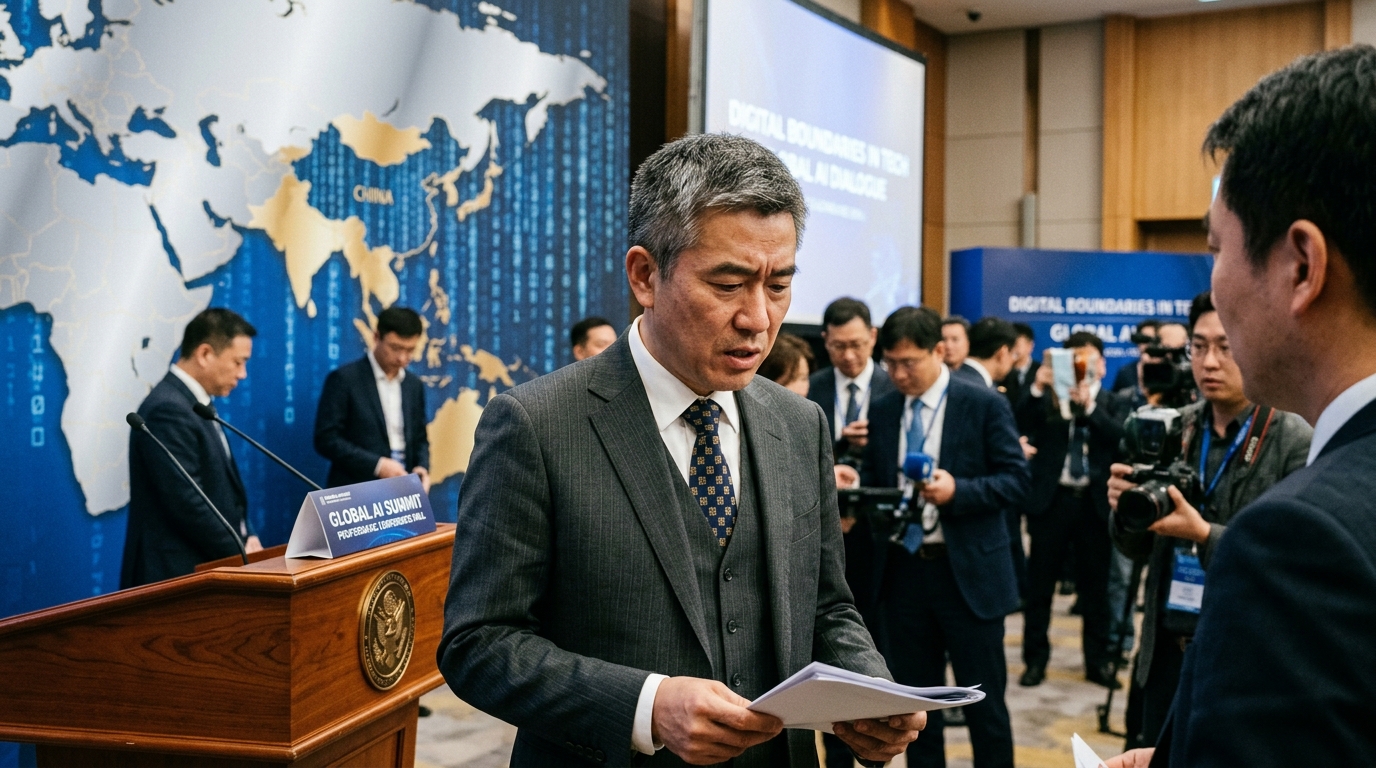
The global race for Artificial Intelligence supremacy is entering a new, more restrictive phase. According to recent reports from Asia, Chinese authorities have begun implementing stringent controls on the travel of top AI researchers and engineers working for tech giants like Alibaba and the rising star DeepSeek. The requirement for official state approval before any international travel marks a fundamental shift in how Beijing perceives human capital: no longer as free professionals, but as strategic assets of national security.
The Strategic Importance of DeepSeek and Alibaba
The choice of these specific companies is far from accidental. Alibaba remains the backbone of China's cloud infrastructure and enterprise AI, while DeepSeek has emerged as a global phenomenon. By developing models that rival OpenAI's GPT-4 at a fraction of the training cost, DeepSeek proved that China can innovate despite US semiconductor restrictions. This success, however, has made its employees prime targets for recruitment by foreign firms and intelligence agencies.
These restrictions, which reportedly include the surrender of passports or mandatory reporting of any contact with foreign nationals, reflect Beijing's fear of a massive 'brain drain.' In a world where AI is considered the 'new nuclear weapon,' losing a top scientist to Silicon Valley is not just a business loss; it is viewed as a national defeat. China is attempting to fortify its borders, fearing that expertise gained through massive state subsidies could end up strengthening its geopolitical rivals.
The Human Cost of Technological Sovereignty
This decision has profound implications for the psychology and productivity of the Chinese AI community. Researchers, many of whom have studied at top Western universities, suddenly find themselves trapped in a system that treats them with suspicion. AI science has historically been built on open collaboration and the exchange of ideas at international conferences. By restricting physical movement, Beijing risks isolating its scientists from the global flow of innovation.
- Restricted participation in international scientific conferences (e.g., NeurIPS, ICML).
- Strict oversight of job offers from multinational corporations.
- Enhanced internal surveillance within R&D departments.
- Creation of a climate of fear that may deter future talent from entering the field.
Analysts suggest that this tactic could backfire in the long run. While it ensures that expertise remains within national borders in the short term, the lack of freedom may lead to diminished creativity and a reluctance among young scientists to commit to companies that operate as 'gilded cages.'
Geopolitical Implications and the 'War for Talent'
This move does not occur in a vacuum. The United States has already imposed strict export controls on Nvidia chips to China, attempting to stall Beijing's progress. China is responding with the only advantage that sanctions cannot take away: its massive population and exceptional STEM education system. However, turning scientists into 'strategic assets' undermines the very concept of academic freedom that gave birth to AI.
"Artificial Intelligence is the first technology in history where the distinction between civilian and military use is practically non-existent. When a researcher improves an algorithm, they are simultaneously improving their country's economy and its arsenal," says a senior geopolitical analyst in Asia.
In the future, we may see similar measures from the West. Discussions are already underway in Washington regarding limiting Chinese students' access to sensitive AI labs. What we are witnessing is the fragmentation of the internet and science into two rival camps, where knowledge is no longer a global good but a national privilege. Alibaba and DeepSeek are merely the first pawns on a chessboard where the players are states and the pieces are the brightest minds of humanity.