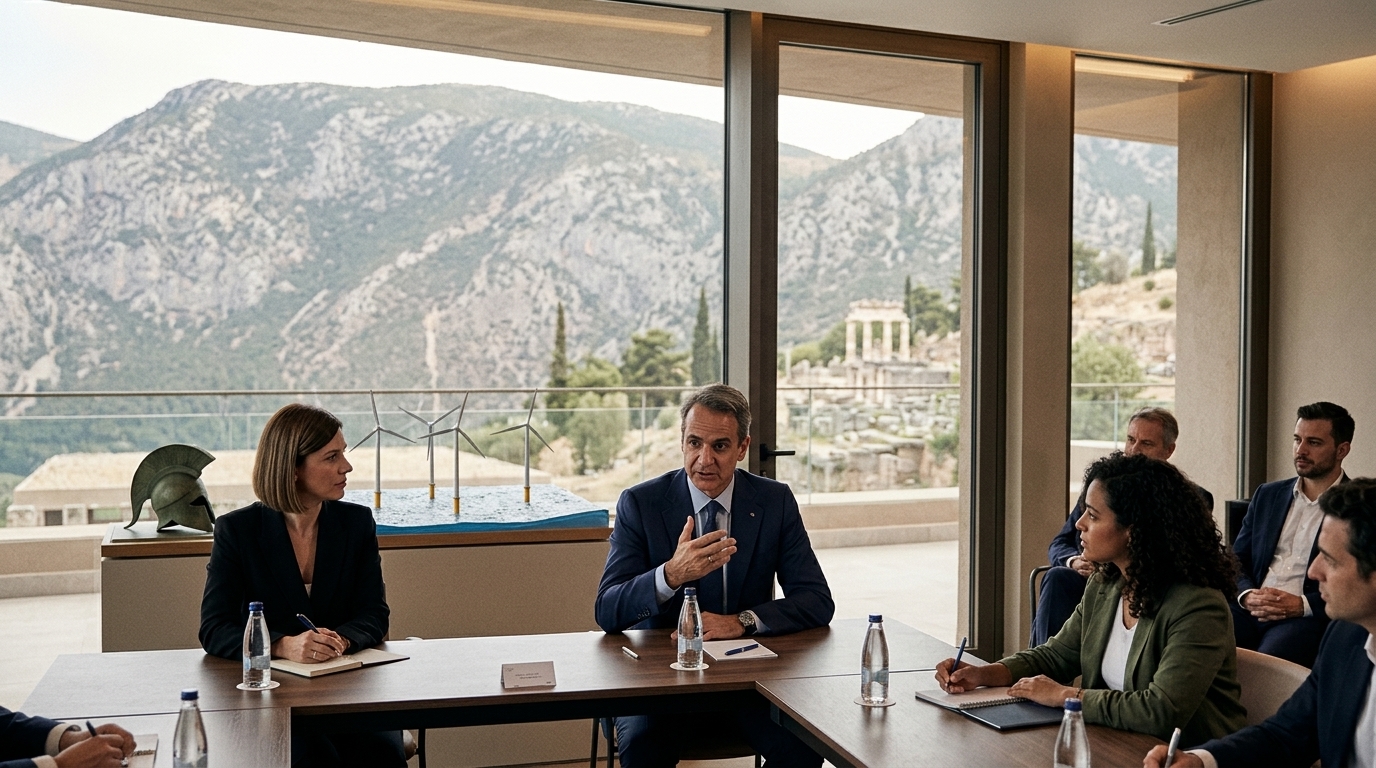
In the historic and symbolic landscape of Delphi, where the ancients once sought oracles to guide the future of city-states, the modern business and political elite gathered for the CEO Initiative Masterclass. In an era where the word 'uncertainty' has become the permanent companion of the global economy, Fortune Greece organized a series of discussions that transcended the narrow confines of balance sheets, expanding into the tectonic plates of geopolitics, energy, and defense innovation.
The Geopolitics of the 'Polycrisis' and the New Global Order
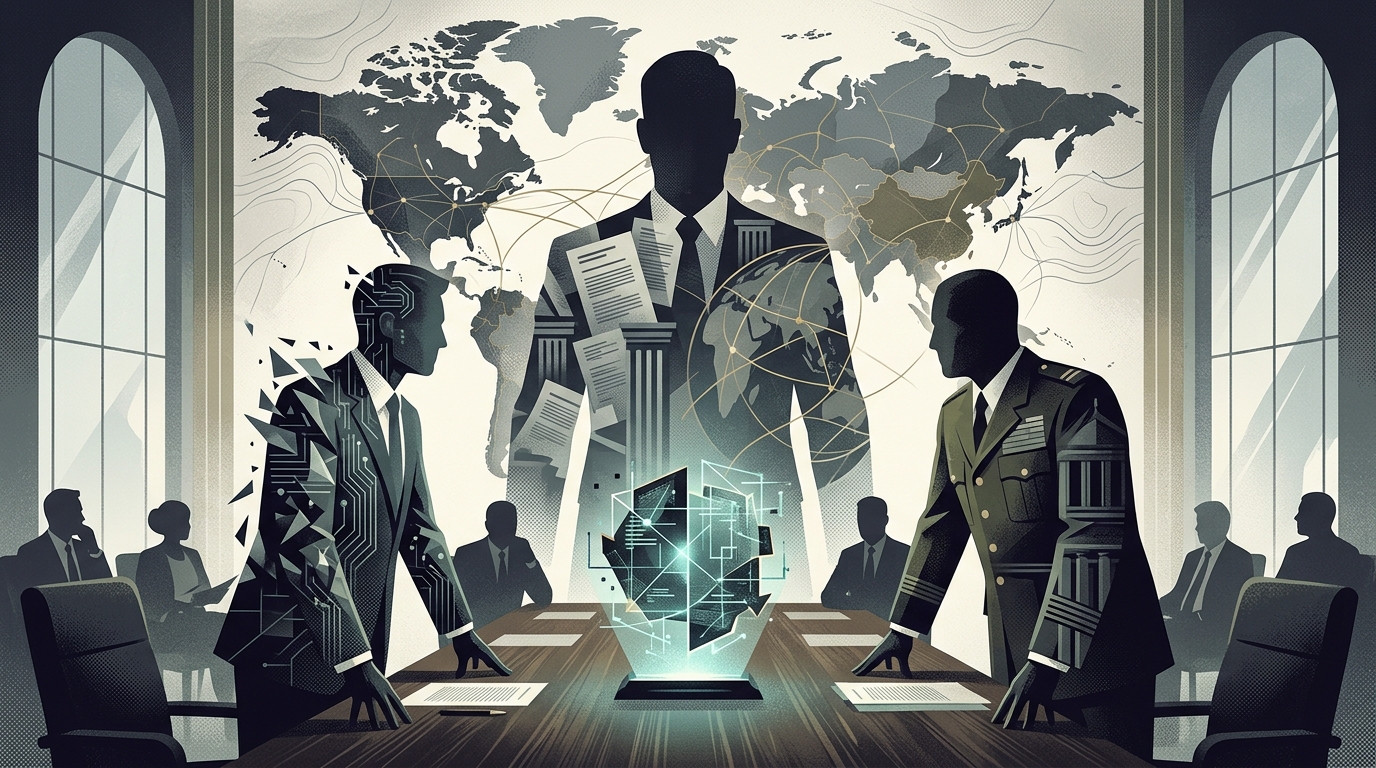
The central theme permeating all discussions was the concept of the 'polycrisis'—a term describing the simultaneous occurrence of climatic, economic, and geopolitical shocks. Masterclass participants agreed that the era of linear growth and predictable globalization is gone forever. Today, businesses are required to operate in an environment where geopolitics returns as the dominant factor shaping strategy.
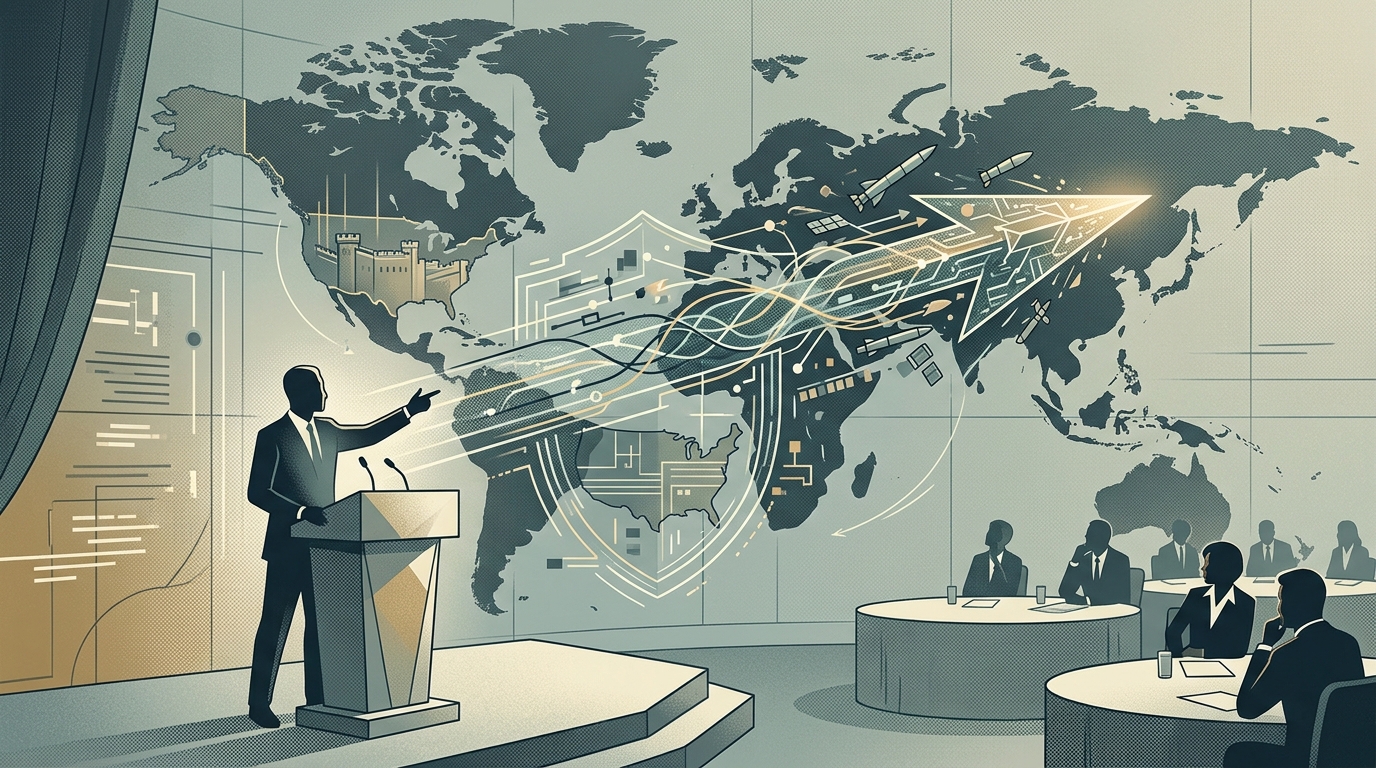
Analysts and CEOs emphasized that Europe stands at a critical crossroads. The conflict in Ukraine and instability in the Middle East are not merely regional crises but catalysts reshaping supply chains and alliances. In this context, Greece emerges as a player with increased geostrategic weight, serving as a bridge between Europe, Asia, and Africa. The discussion highlighted the need for EU 'strategic autonomy,' not only at a military level but also in the production of critical technologies and raw materials.
Energy Transition: Between Security and Sustainability
The issue of energy formed the second pillar of the Masterclass. The transition to green energy is no longer just an environmental imperative but a matter of national and European security. Industry leaders stressed that decoupling from fossil fuels, particularly Russian natural gas, is accelerating investment in Renewable Energy Sources (RES) and new storage technologies.
Particular emphasis was placed on the role of hydrogen and next-generation nuclear energy as potential solutions for ensuring grid stability. CEOs pointed out that the challenge lies in balancing the cost of transition with the need for European industrial competitiveness. "We cannot have green energy without a sustainable economy," it was noted, emphasizing that subsidies and regulatory frameworks must be flexible and innovation-oriented.
Defense Innovation: Technology in the Service of Security
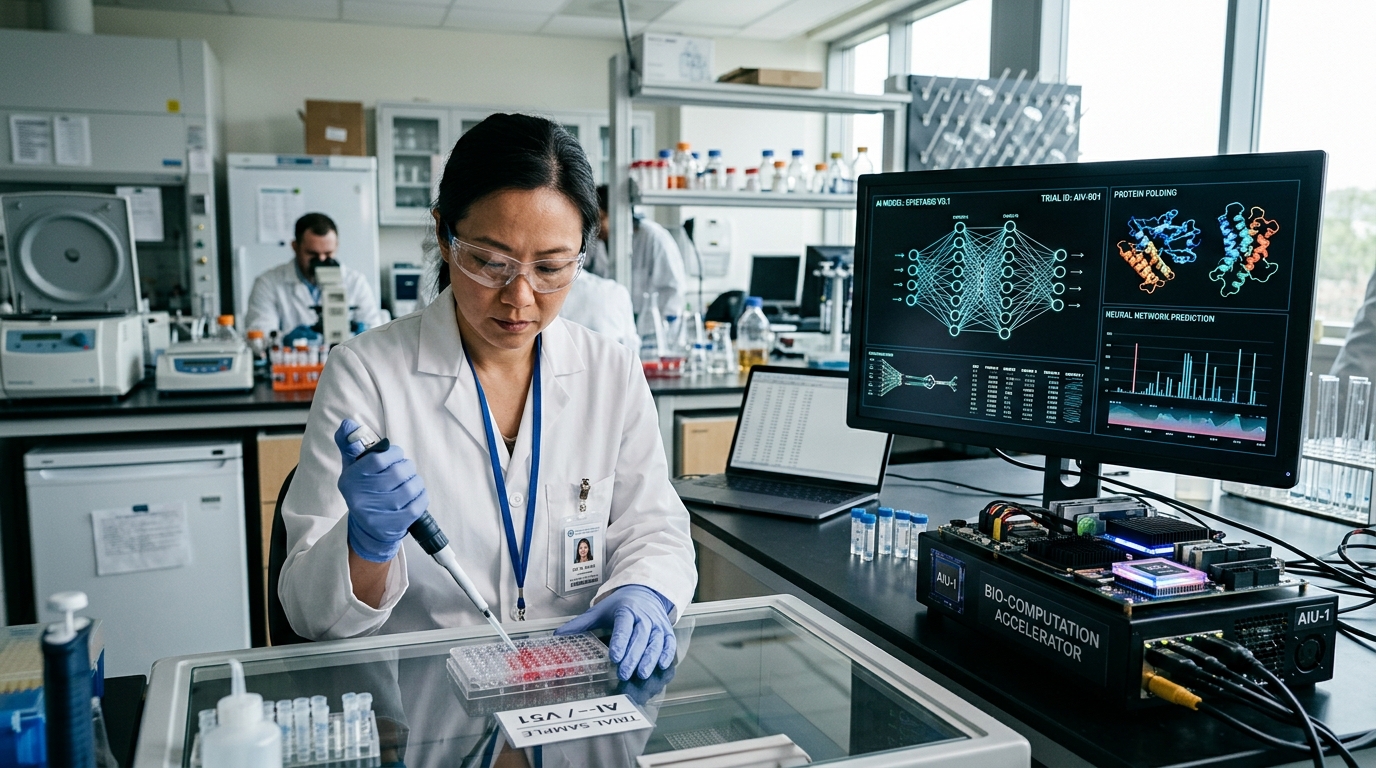
One of the most compelling aspects of this year's Masterclass was the focus on Defense Innovation. In a world where threats are becoming increasingly hybrid and digital, defense is no longer just about weapons systems; it encompasses cybersecurity, artificial intelligence, and data. The discussion highlighted how dual-use technologies—those developed for defense but applicable to civilian life—can drive economic growth.
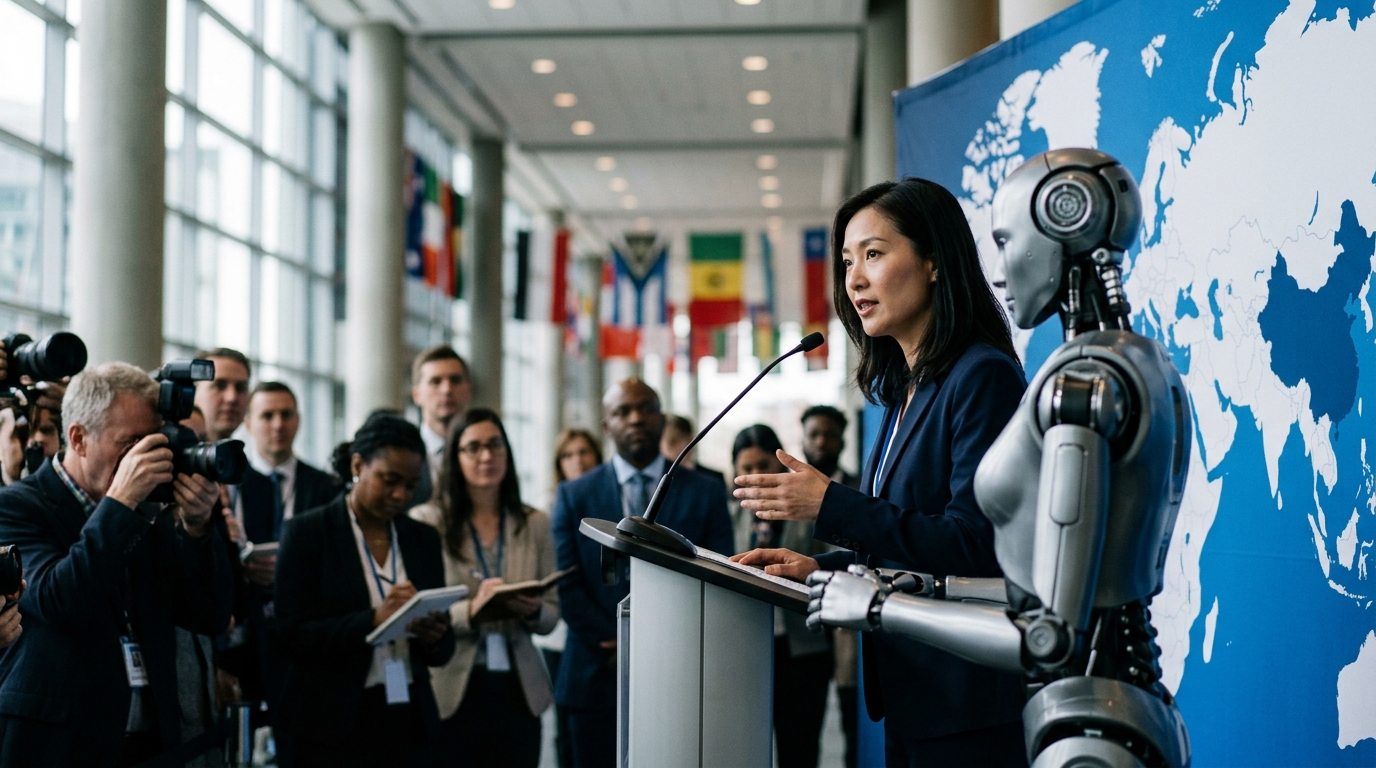
Speakers analyzed how Greece can play a leading role in this sector, leveraging its exceptional human capital and startup ecosystem. The establishment of innovation hubs linking the Ministry of Defense with the academic community and private enterprises is considered essential. Artificial Intelligence, in particular, was cited as the 'new frontier' in defense, enabling faster decision-making and crisis prediction before they manifest.
Leadership in a VUCA World
Finally, the Masterclass focused on the profile of the modern leader. In a VUCA world (Volatility, Uncertainty, Complexity, Ambiguity), a CEO cannot be a mere resource manager. They must be a visionary who understands geopolitical balances, an advocate for sustainability, and an ethical guide in technology adoption. Empathy, adaptability, and crisis management skills emerged as the most critical competencies for the future. Participants concluded that collaboration between the public and private sectors is the only path to addressing the great challenges of our time, turning Delphi once again into a starting point for bold, new ideas.