For decades, the economic relationship between Canada and the United States was heralded as the gold standard of global integration. With a shared border spanning 8,891 kilometers acting more as a bridge than a barrier, the two nations built the most extensive trading partnership in history. However, as we move into 2026, the mood in Ottawa has shifted dramatically. In a speech that will likely be remembered as a turning point in Canadian foreign policy, Prime Minister Mark Carney stated unequivocally that over-reliance on the American market is no longer a strength, but a strategic vulnerability that must be addressed immediately.
The Shifting Tectonic Plates of North America
Carney’s declaration did not occur in a vacuum. After years of mounting protectionism from Washington—regardless of which party occupies the White House—and persistent threats to dismantle or renegotiate the USMCA (CUSMA), Canada feels cornered. “The United States has changed, and we must respond,” the Prime Minister emphasized. This rhetoric reflects a new reality where “America First” has become the permanent doctrine of the southern neighbor, leaving Canadian supply chains hostage to the political whims of Congress.
Ottawa’s analysis is stark: the Canadian economy, which exports over 75% of its goods to the U.S., lacks the necessary agility to survive in a multipolar world. This dependency translates into the direct import of American inflation, political volatility, and, most critically, tariffs used as tools of geopolitical leverage. The need to “take care of ourselves,” as Carney put it, is not merely economic; it is a matter of national sovereignty.
The Carney Doctrine: Resilience and New Alliances
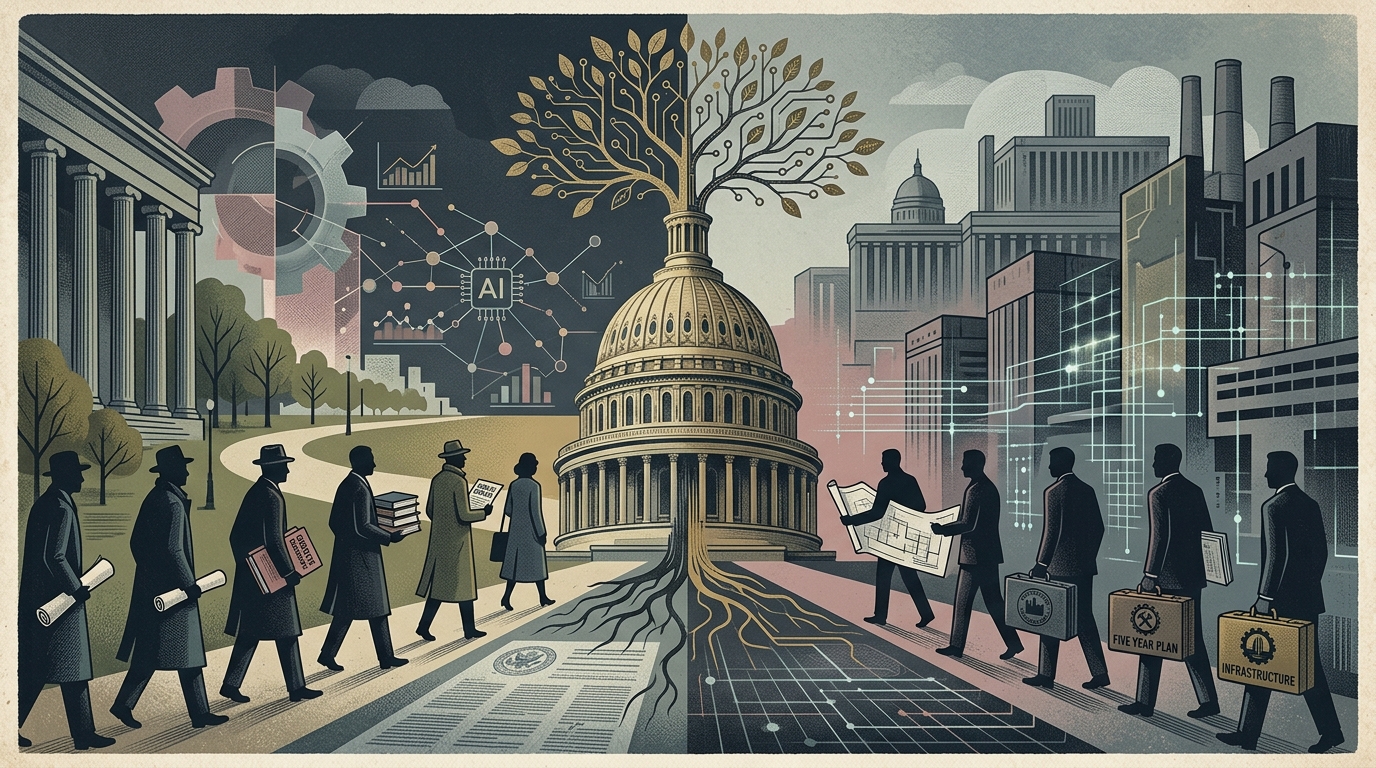
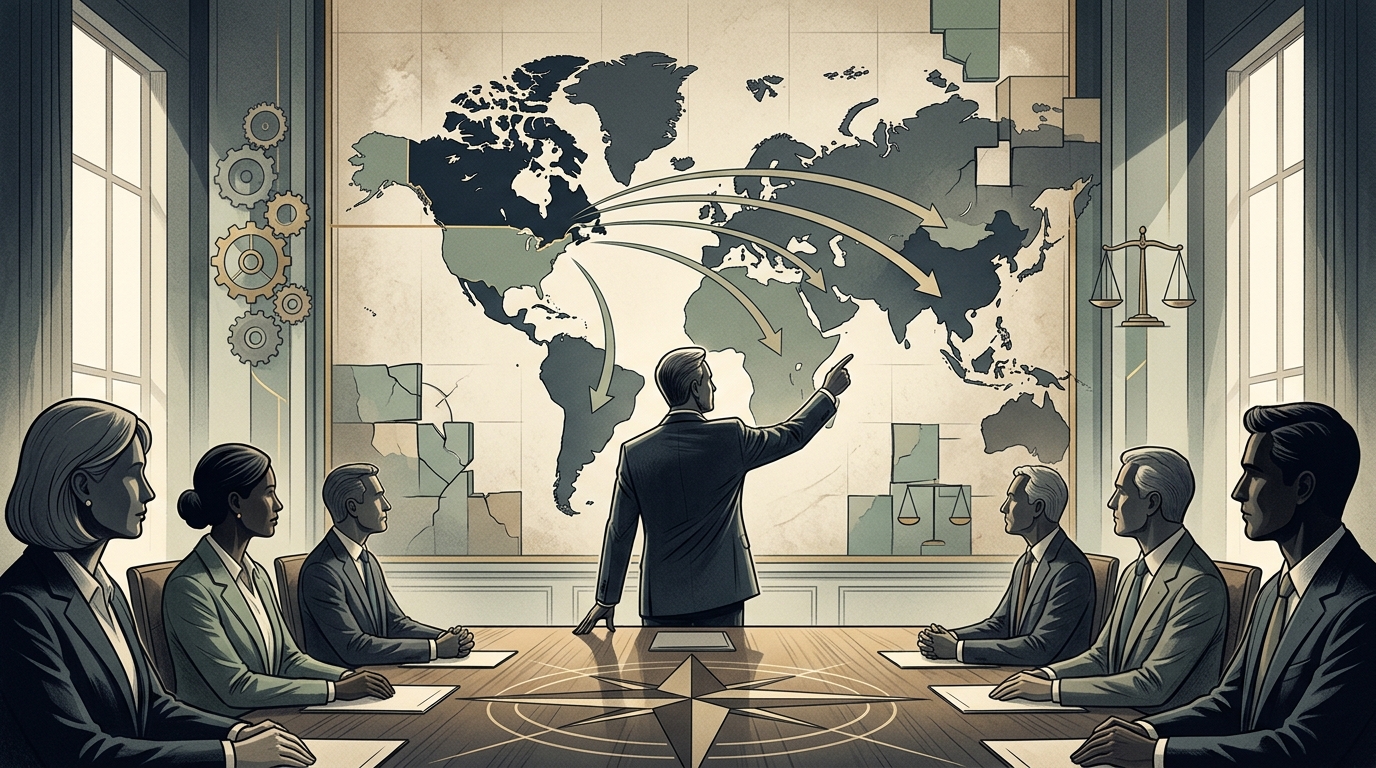
Canada’s blueprint for decoupling from the American shadow rests on three pillars: domestic industrial revitalization, trade diversification, and enhanced border security. Carney, with his background as a former central banker, understands that decoupling cannot happen overnight. However, his strategy involves aggressive investment in critical minerals and clean energy—sectors where Canada holds a comparative advantage and can negotiate from a position of strength with Europe and Asia.
- Investing in transportation infrastructure toward the Pacific and Atlantic to reduce reliance on U.S.-controlled pipelines and rail networks.
- Forging new bilateral agreements with the European Union and Indo-Pacific nations.
- Boosting domestic production in strategic sectors such as semiconductor technology and pharmaceuticals.
This move signals the end of an era where Canada was seen as the “silent partner” of North America. Ottawa is now striving to become an autonomous actor, capable of securing its borders and its future without waiting for a nod from Washington.
The Challenges of Autonomy
Of course, the path to economic independence is fraught with peril. Geography is unforgiving, and proximity to the world’s largest economy will always remain a defining factor for Canada. Critics of the Carney Doctrine argue that such a pivot could trigger retaliation from the U.S., leading to a trade war that Canada would struggle to win. Furthermore, restructuring entire sectors of the economy requires massive capital and a level of political consensus that is often elusive.
“This is not about isolationism; it is about self-respect,” Carney stated. “We have to take back control of our security, our borders, and our future. We cannot be anyone’s branch plant.”
In conclusion, Canada’s pivot serves as a loud signal regarding the state of the global order. When even the closest allies of the United States feel the need to shield themselves from its influence, it is clear that the era of U.S.-led globalization has given way to a new, more fragmented, and uncertain reality. Canada is choosing not to be a victim of this change, but the architect of its own destiny.