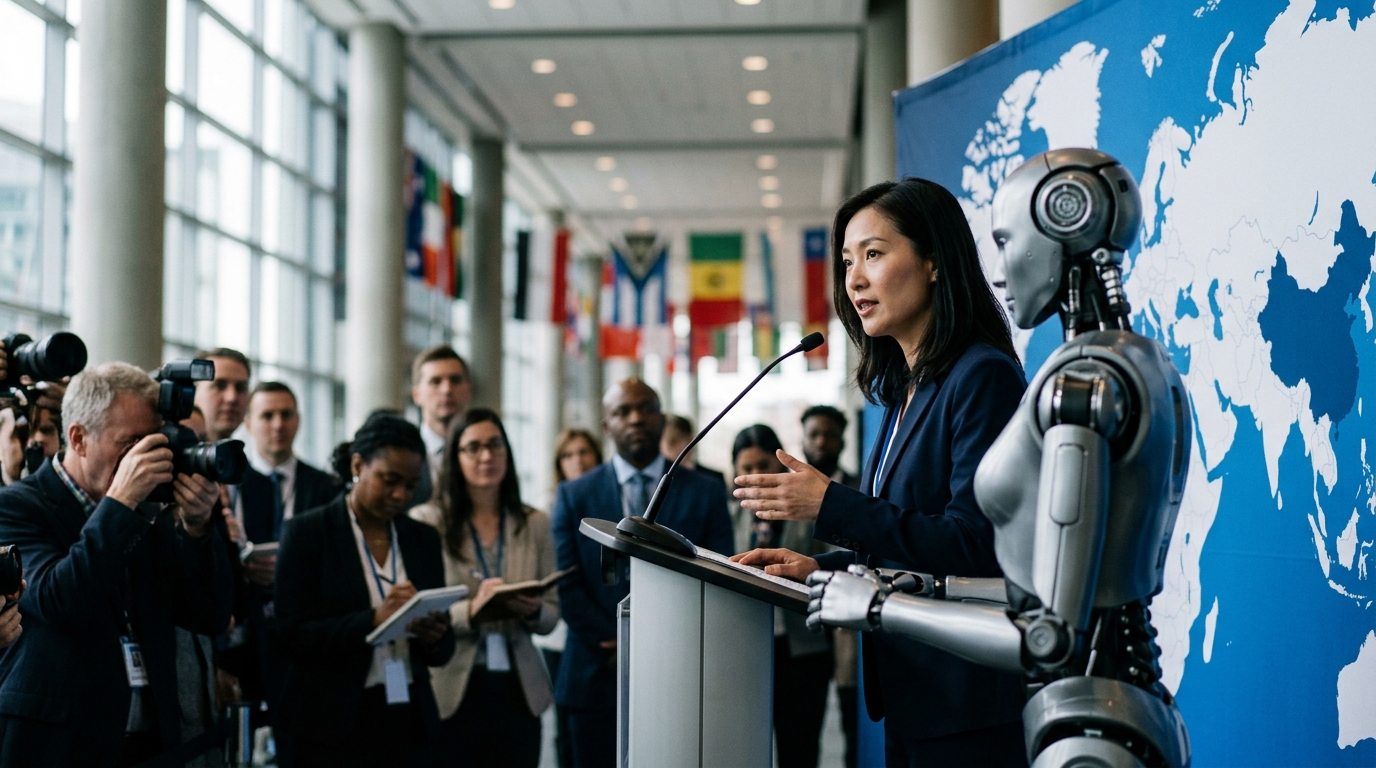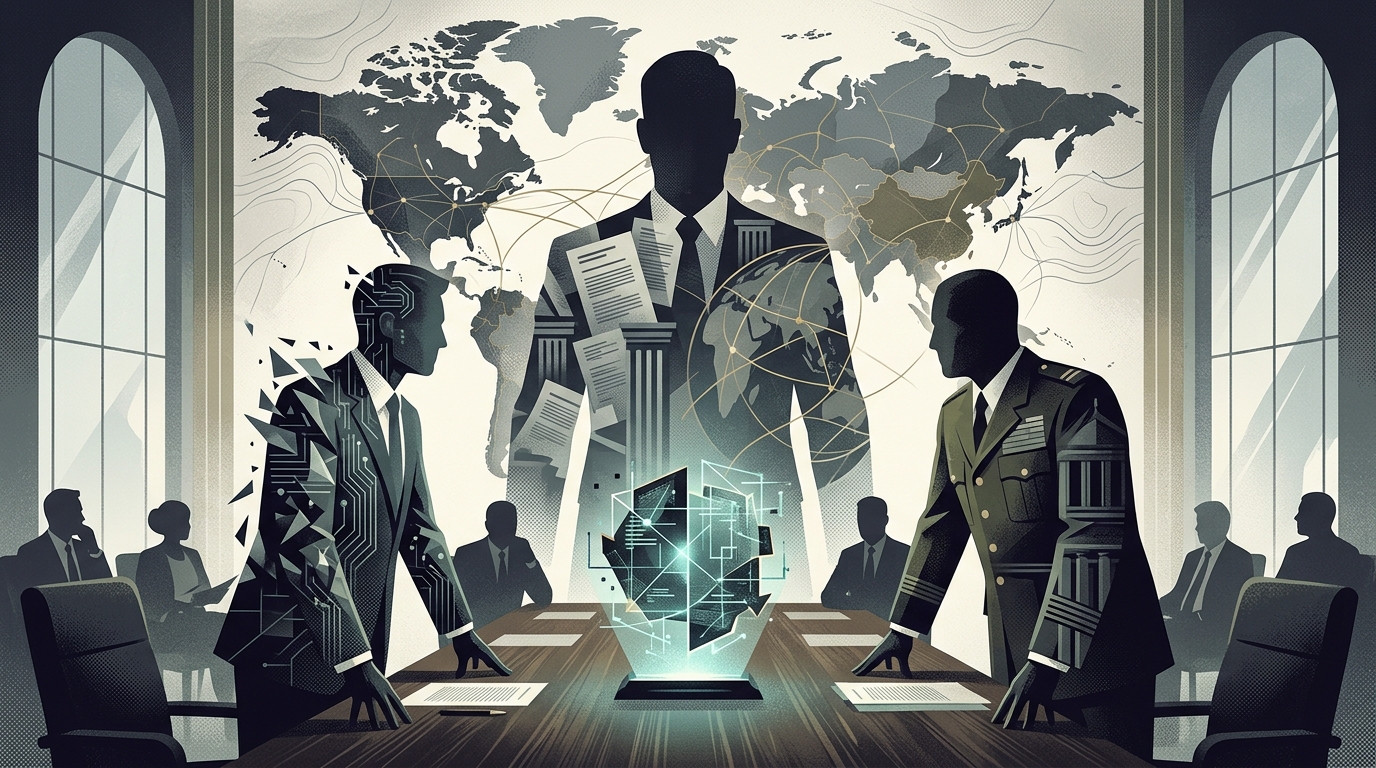
As we navigate the first half of 2026, the global geopolitical chessboard increasingly resembles a digital version of the Cold War, with a critical distinction: this time, the primary weapons are not just nuclear, but algorithmic. The question echoing through the corridors of Washington and the strategy rooms of Beijing is clear: Can the US Pentagon maintain its global hegemony against a China that possesses not only massive conventional forces but also an unprecedented ability to integrate Artificial Intelligence (AI) into its war machine?
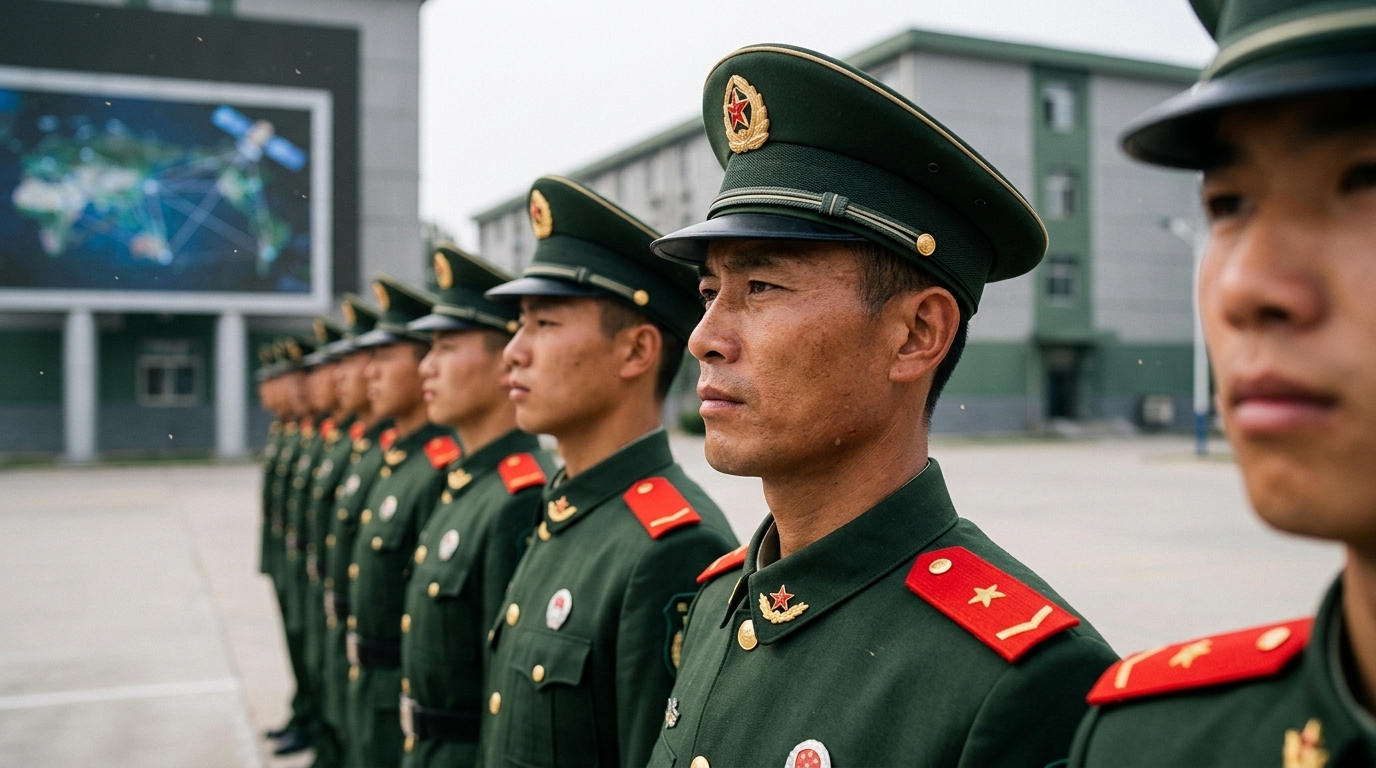
China has set its sights on becoming the world leader in AI by 2030, and its maneuvers suggest it is well on track. Through a strategy of "Military-Civil Fusion," Beijing has dissolved the barriers between commercial innovation and military application, allowing the People's Liberation Army (PLA) to directly absorb the most advanced technologies. Conversely, the US is grappling with the bureaucratic inertia of a system designed for the era of aircraft carriers, struggling to adapt to the age of autonomous drones and cyber warfare.
The 'Replicator' Initiative and the Shift to Autonomous Systems
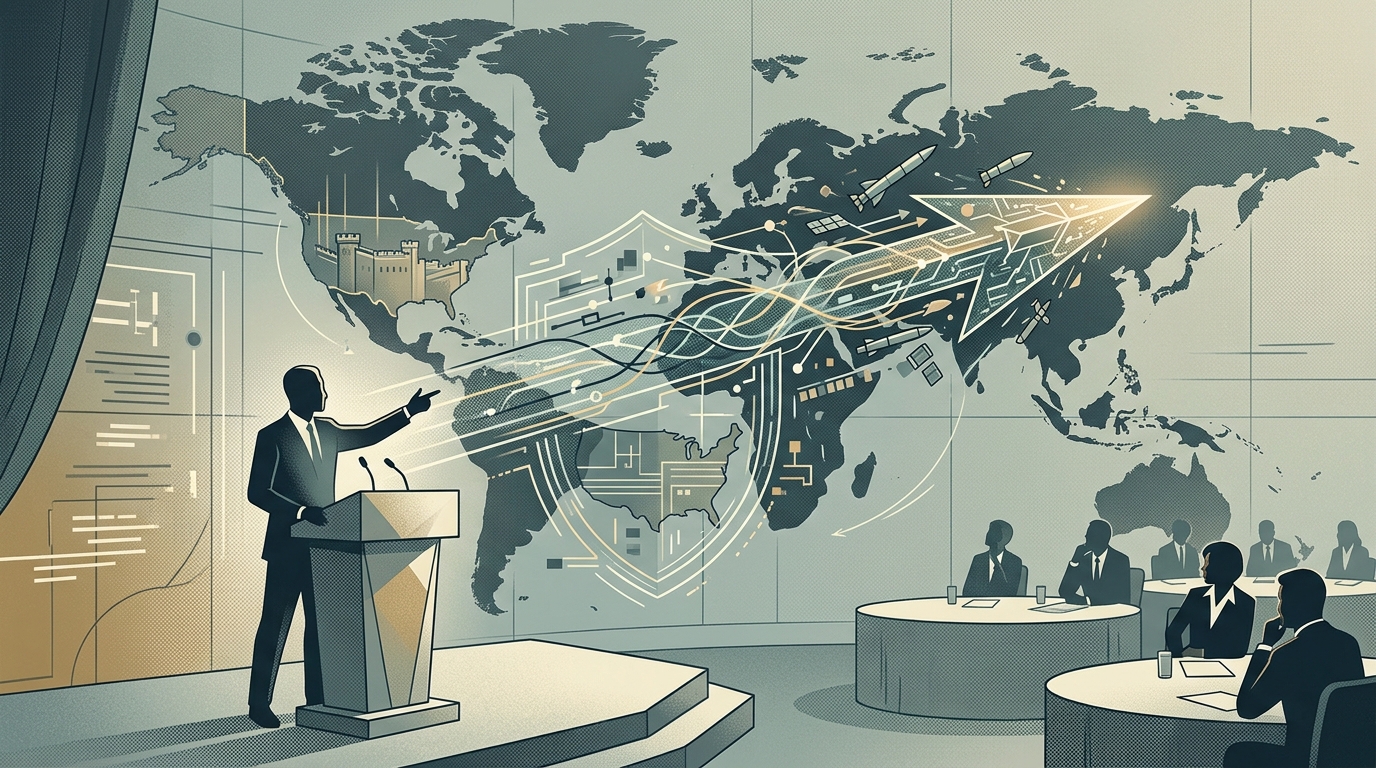
The Pentagon’s strategic response to Chinese quantitative superiority—specifically its larger fleet and standing army—is the "Replicator" initiative. This ambitious plan aims to deploy thousands of low-cost, attritable, and autonomous systems across multiple domains (land, sea, air) within short timeframes. The goal is to create a "swarm" of drones capable of overwhelming China's expensive and heavy infrastructure in a potential conflict over the Taiwan Strait.
However, the challenge is as much industrial as it is technological. While the US leads in software design and high-end R&D, China controls the raw material supply chains and the global manufacturing base. If the Pentagon is to "win," it must prove it can mass-produce these systems without relying on Chinese components—an equation that remains unsolved. Dependence on rare earth elements and microchips produced in high-risk zones remains the Achilles' heel of American strategy.
Artificial Intelligence as a Power Multiplier
In the modern theater of war, decision-making speed is everything. AI enables the processing of vast amounts of data from satellites, sensors, and signals intelligence in real-time, offering commanders a "crystal ball" regarding enemy movements. The US is betting heavily on JADC2 (Joint All-Domain Command and Control), a framework designed to connect every soldier, vehicle, and sensor into a unified, AI-driven network.
China, for its part, is investing in "intelligentized warfare." It utilizes AI to develop electronic warfare systems that can blind US radars and sever communication links. The battle for supremacy is no longer about who has the largest caliber gun, but who possesses the most sophisticated algorithm capable of bypassing the opponent's defenses before the first shot is even fired. The cybersecurity of military networks has become the most critical factor for survival in an era of automated attrition.
Taiwan and the 'Silicon Shield'
No discussion of the US-China military standoff is complete without referencing Taiwan. The island is not merely a geostatregic outpost; it is the heart of global semiconductor production. TSMC produces 90% of the world's most advanced chips, which are essential for every AI system and modern weapon platform. This "Silicon Shield" serves as both a deterrent and the ultimate prize.
Should China gain control over Taiwan's production, it could theoretically paralyze Western defense industries. The Pentagon is acutely aware of this, pushing for the reshoring of chip production via the CHIPS Act. However, building a domestic ecosystem takes decades, while geopolitical pressure mounts daily. The US's ability to defend Taiwan now depends less on troop numbers and more on the resilience of high-tech supply chains and the strategic denial of critical hardware to the adversary.
Conclusion: A New Balance of Terror
Victory in a potential conflict will not be determined by territorial conquest but by dominance in the digital and cognitive realms. The Pentagon maintains a technological edge and decades of operational experience, but China possesses speed and scale. American success will depend on whether it can transform its institutional culture: moving from a slow-moving giant to an agile organization that works hand-in-hand with Silicon Valley.
Ultimately, this competition is not just military. It is a clash of two different models of governance and innovation. Whether the Pentagon can "defeat" China remains an open question, but the answer will define the trajectory of humanity for the remainder of the 21st century. Paradoxically, peace may only be secured if both sides realize that the cost of war in the AI era would be catastrophic for the entire planet, leading to a digital version of Mutually Assured Destruction.