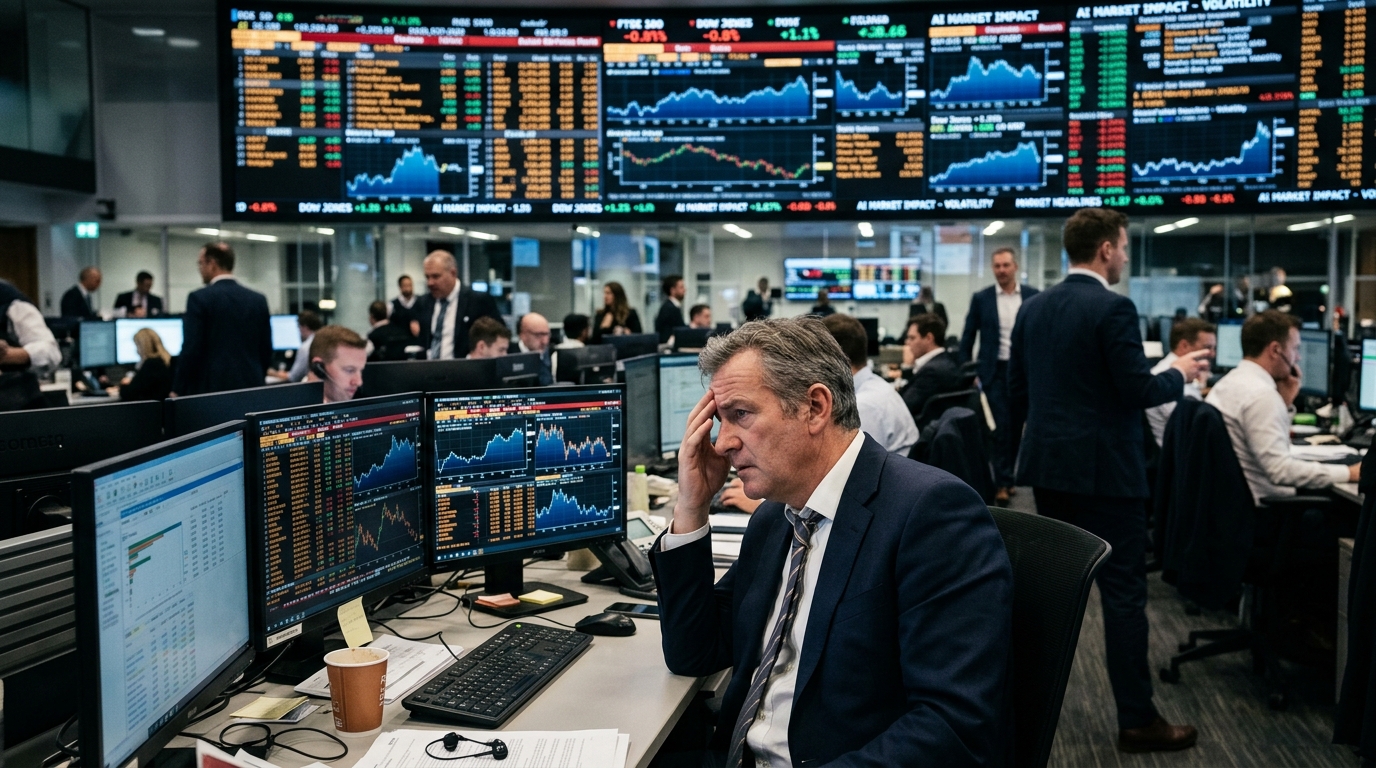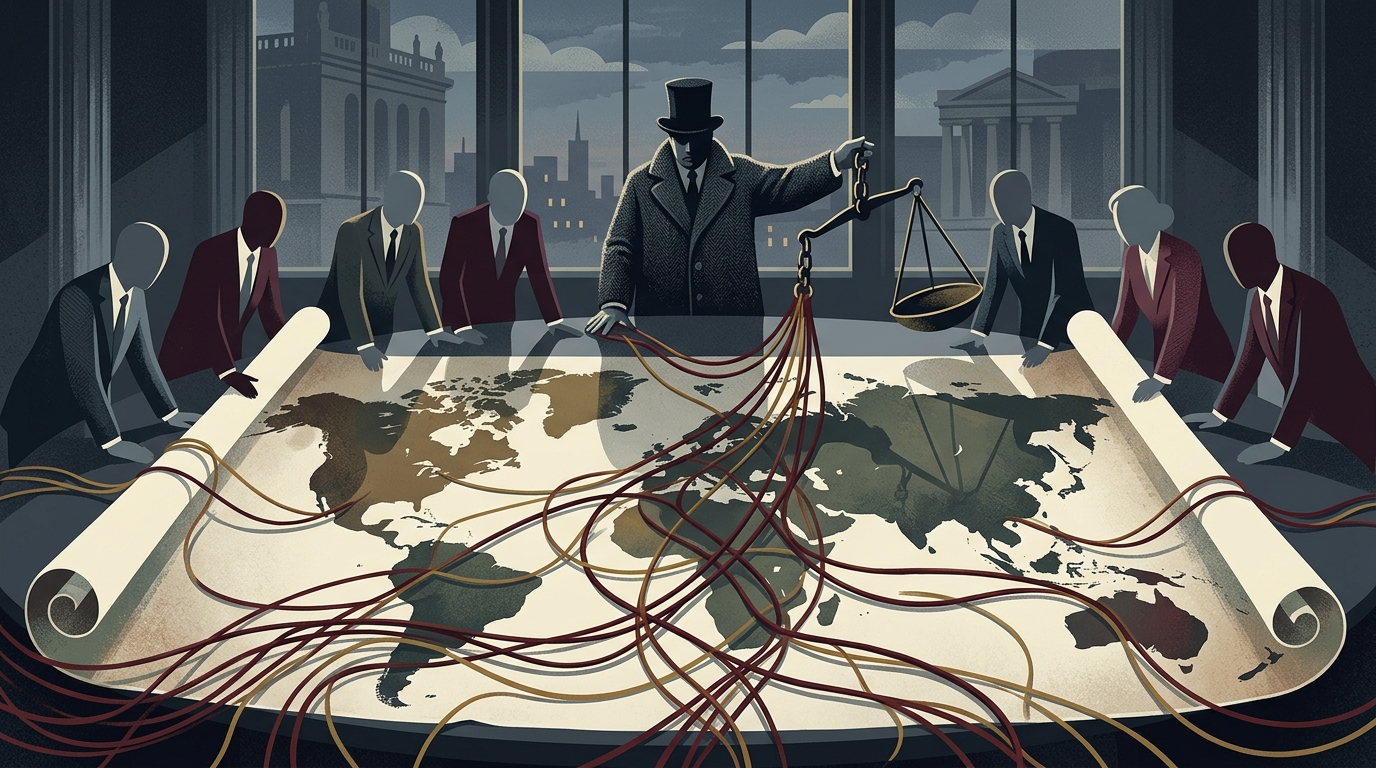
In April 2026, the global geopolitical chessboard of artificial intelligence is witnessing one of its most definitive shifts. The recent launch of DeepSeek V4, a model that set new benchmarks for efficiency and computational prowess, did more than just garner academic acclaim; it ignited an unprecedented hardware demand crisis in the Chinese market. With US restrictions on Nvidia H100 and B200 GPUs remaining ironclad, Chinese internet titans ByteDance and Alibaba are abandoning all hope for Western silicon and pivoting en masse to Huawei.
The DeepSeek V4 Catalyst
DeepSeek V4 is not merely an incremental update; it is proof that the Mixture of Experts (MoE) architecture can deliver GPT-5 level performance at a fraction of the energy cost. However, training and deploying such models at scale requires an infrastructure that China is struggling to build autonomously. ByteDance, the parent company of TikTok, and Alibaba, the e-commerce and cloud giant, quickly realized that relying on the "gray market" for Nvidia chips is no longer a viable strategy for the next decade.
Demand for Huawei's new Ascend 910C chips has skyrocketed. Reports suggest that ByteDance alone has placed orders exceeding 100,000 units for the current year, a move that signals the full acceptance of domestic solutions as the only path to survival. DeepSeek V4 acted as the accelerator for this process, proving that while the software is ready, the hardware remains the ultimate bottleneck.
Huawei as the New National Champion
For years, Huawei sat in Nvidia's shadow, with many analysts questioning the ability of SMIC (Semiconductor Manufacturing International Corporation) to produce chips in sufficient quantities and at advanced nanometer scales. However, the reality of 2026 has silenced the skeptics. The Ascend series has matured into a comprehensive ecosystem, with its CANN (Compute Architecture for Neural Networks) software now offering a credible alternative to Nvidia’s CUDA.
- Strategic Autonomy: The pivot by Alibaba and ByteDance is not just economic but political, aligning with Beijing's mandate for full decoupling from the American supply chain.
- Technical Convergence: The Ascend 910C is now approaching the performance of Nvidia’s A100, which is sufficient for the vast majority of generative AI applications.
- Cloud Dominance: Alibaba Cloud is integrating Huawei silicon into its public offerings, forcing its enterprise clients to adapt to the new domestic standard.
Geopolitical Consequences of the Silicon Curtain
Washington is watching with growing concern. The sanctions designed to stifle Chinese AI progress appear to have achieved the opposite effect: the forced and rapid maturation of the Chinese semiconductor industry. When ByteDance invests billions into Huawei, it creates a guaranteed revenue stream that allows Huawei to pour even more capital into Research and Development (R&D).
"We are not just seeing a race for chips, but the birth of an alternative digital civilization," says a leading tech analyst in Shanghai. "China is no longer trying to buy the future from the West; it is manufacturing it in its own foundries."
The primary challenge remains production capacity. Despite the massive orders, Huawei and SMIC face ongoing issues with factory yields. The demand generated by DeepSeek V4 is so immense that it may lead to a new kind of "silent war" among Chinese giants over who secures the first batches of available silicon.
The Future of Global AI
As we move into the latter half of 2026, the AI market is bifurcating. On one side, the Nvidia ecosystem dominates the West; on the other, the Huawei ecosystem is consolidating the East. By playing the Huawei card, ByteDance and Alibaba are not just ensuring the operation of their models—they are securing their place in a world where technological sovereignty is synonymous with national security. The question is no longer whether China can catch up to the West, but how quickly it can overtake it using its own tools.