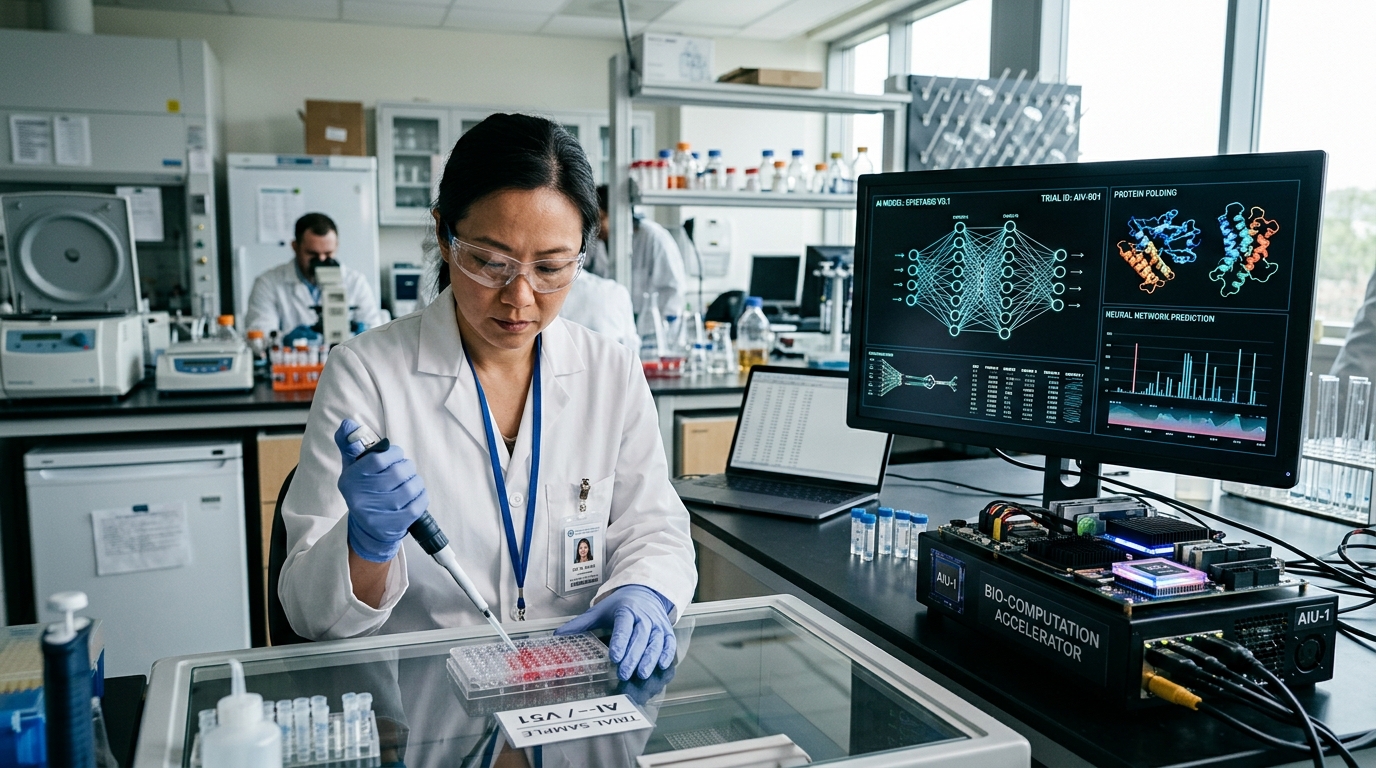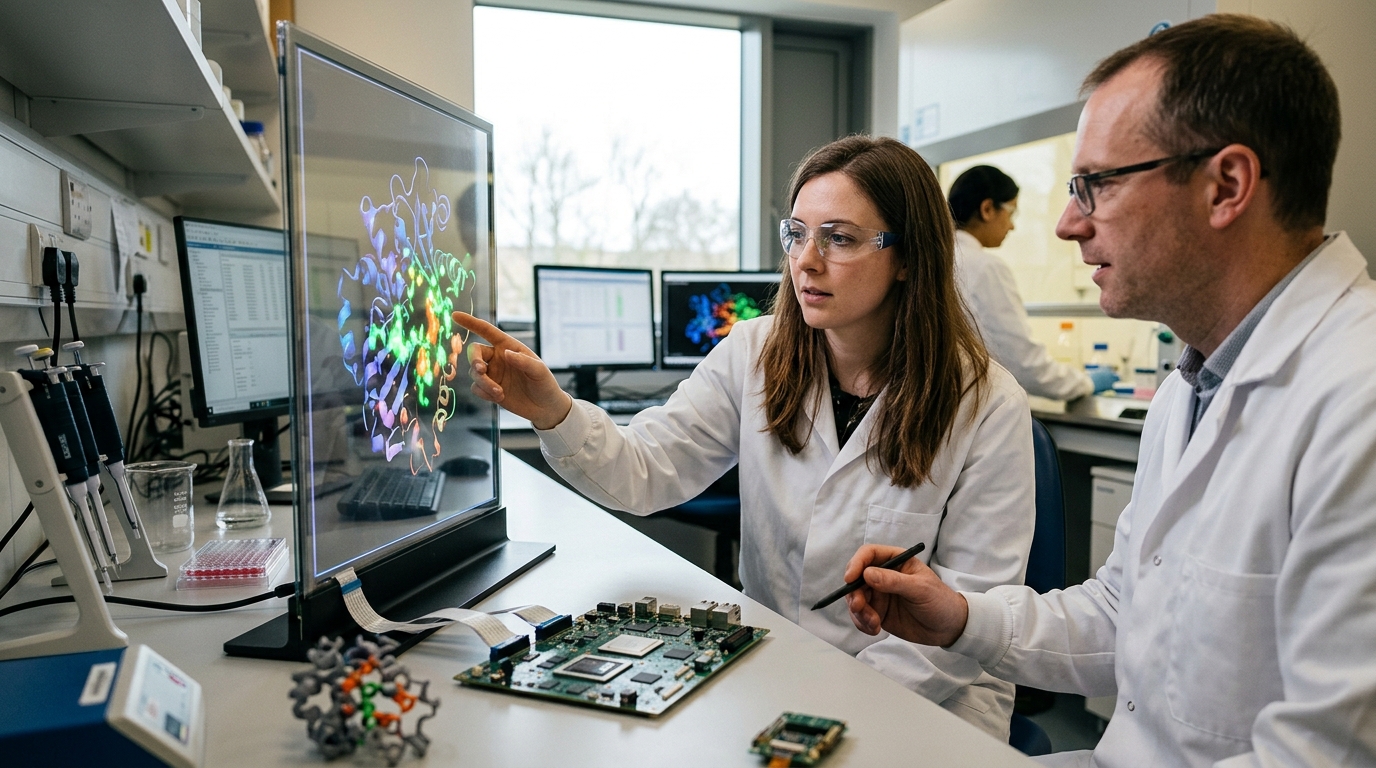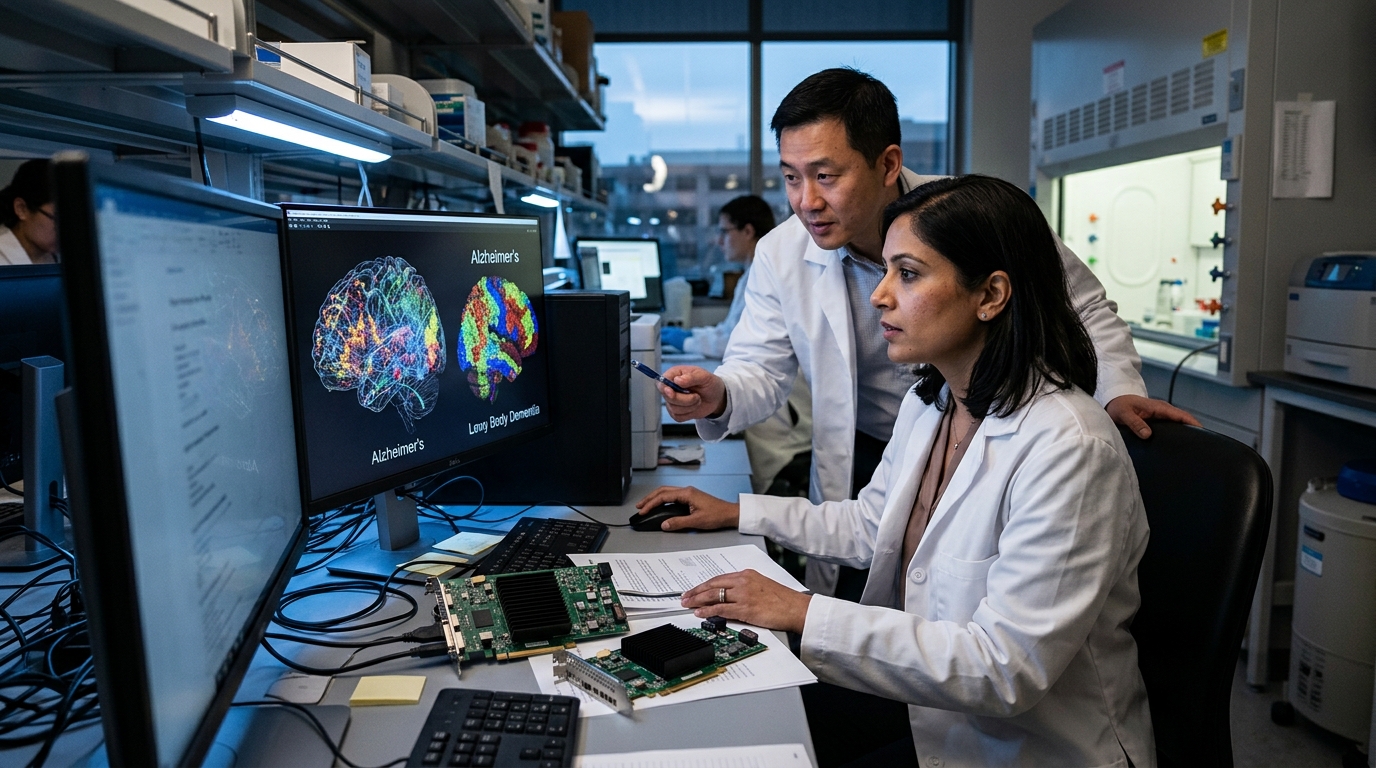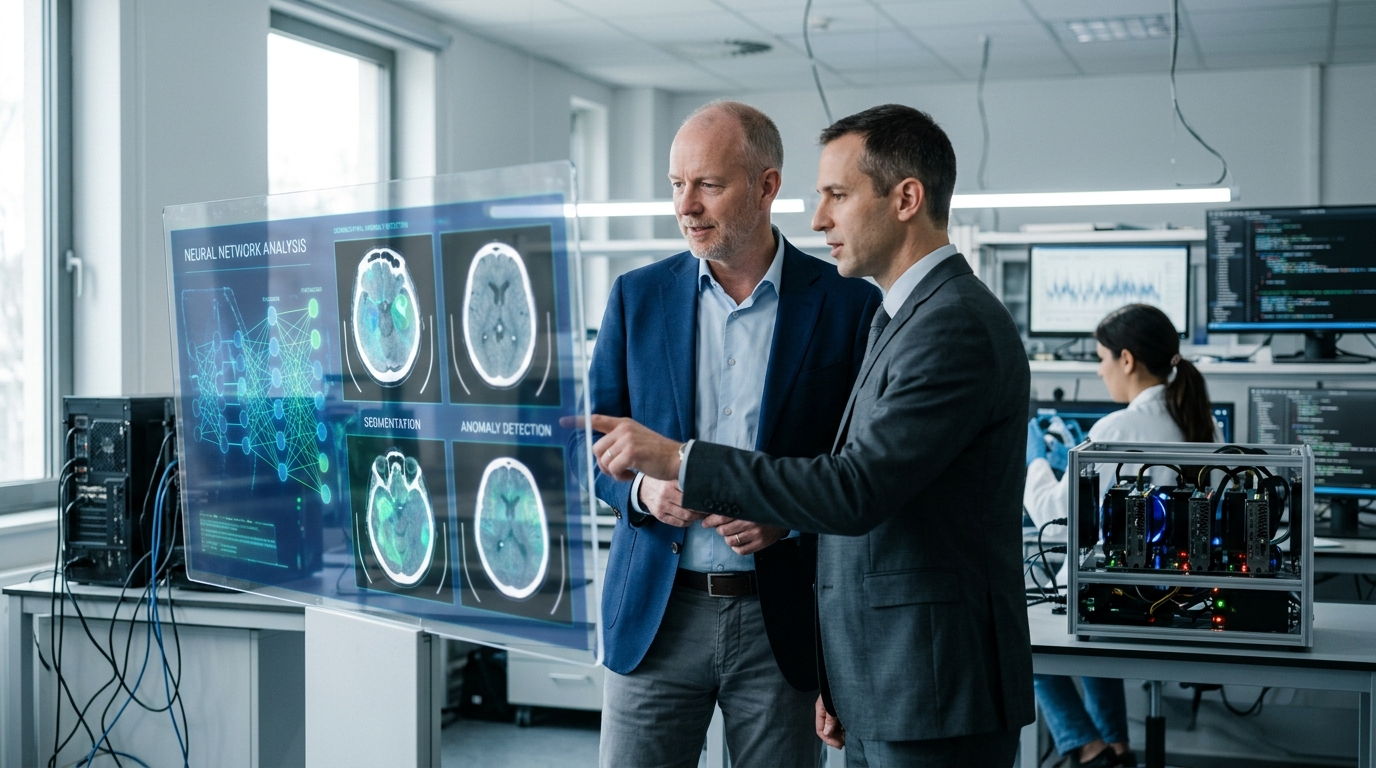
In an era where global healthcare systems are under unprecedented strain, Aidoc, a pioneer in clinical artificial intelligence for medical imaging, has announced the closing of a $150 million Series D funding round. Led by Goldman Sachs Asset Management with participation from General Catalyst, this investment is more than just a financial injection; it is a profound validation of AI as the cornerstone of modern diagnostic medicine. As we navigate the landscape of 2026, the integration of high-level computation into clinical workflows has moved from a luxury to an absolute necessity.
Radiology, a discipline traditionally reliant on the manual analysis of thousands of images by physicians, is undergoing a radical metamorphosis. Aidoc is not merely offering isolated algorithms for detecting fractures or tumors; it is pioneering what it calls an "AI Operating System" for hospitals. This funding arrives at a critical juncture, as healthcare facilities worldwide grapple with chronic staffing shortages and an exponential increase in imaging data volumes.
From Detection to Care Orchestration
The early years of medical AI focused on "point solutions"—single-purpose algorithms designed to identify a specific pathology, such as an intracranial hemorrhage or a pulmonary embolism. However, Aidoc has shifted the paradigm. Its platform acts as an invisible orchestrator, automatically scanning every image that enters the system, prioritizing urgent cases, and alerting physicians in real-time. This proactive approach ensures that the most critical patients are seen first, regardless of when their scan was performed.
The new capital will be channeled into expanding this "orchestration" philosophy. The goal is to create a unified infrastructure where diverse algorithms—both proprietary to Aidoc and from third-party developers—can operate seamlessly within a single environment. This addresses the primary pain point for hospital IT departments: fragmentation. Instead of a radiologist toggling between ten different tools, Aidoc’s platform consolidates findings into a unified workflow, slashing the time from diagnosis to treatment—minutes that often dictate clinical outcomes.
Combatting Physician Burnout
A central theme driving Goldman Sachs' investment is the global epidemic of physician burnout. With imaging volumes growing at 5-10% annually while the number of qualified radiologists remains relatively static, the pressure on medical professionals is immense. AI in this context does not serve as a replacement for human expertise but as a "digital co-pilot" that handles the heavy lifting of screening and sorting.
Market analysts suggest that Aidoc’s ability to demonstrably reduce patient length-of-stay in emergency departments was a key factor in securing this round. When an algorithm can flag a potential stroke in seconds and push it to the top of a doctor's worklist, the benefit is twofold: improved patient prognosis and significant operational cost savings for the hospital. By automating the triage process, hospitals can optimize their most expensive resources—their staff and their specialized equipment.
The Goldman Sachs Factor and the Future of MedTech
The lead role of Goldman Sachs Asset Management signals that the medical AI market has transitioned from experimental venture capital interest to institutional maturity. Investors are no longer looking for speculative potential; they are demanding proven clinical efficacy and scalable business models. Aidoc, with over 15 FDA clearances and a presence in hundreds of medical centers, has demonstrated its ability to navigate the complex regulatory and commercial hurdles of the healthcare industry.
Looking ahead, the challenge for Aidoc and its peers will be maintaining algorithmic transparency and ethical standards. As AI plays a more central role in clinical decision-making, the demand for "Explainable AI" is intensifying. Doctors must understand the rationale behind an AI-generated alert. Aidoc appears to be investing heavily in this transparency, ensuring that the physician remains the ultimate decision-maker, empowered by technology rather than overshadowed by it.
- Expansion into new clinical specialties beyond radiology, including cardiology and oncology.
- Development of tools to assist in post-diagnostic patient management and follow-up care.
- Strengthening global operations, with a particular focus on the European and Asian markets.
In conclusion, this $150 million funding round is a landmark event for the industry. It reflects a maturing market where AI is no longer a futuristic concept but a functional, essential component of the healthcare infrastructure. The future of medicine is increasingly digital, and with companies like Aidoc leading the charge, it promises to be faster, more accurate, and more resilient.