The diplomatic chessboard between Brussels and Beijing is experiencing fresh tremors as the European Union has decided to cross a 'red line' that China previously considered inviolable. With the official announcement of the latest sanctions package against Russia, the EU has for the first time included a series of Chinese entities, accusing them of providing 'dual-use' technology that fuels the Kremlin's war machine. Beijing's reaction was immediate, sharp, and cautionary, signaling a new, more dangerous phase in the relations between the two trading giants.
The Strategy of 'De-risking' and the Collision
For months, the European Commission and member states hesitated over whether to target Chinese companies directly. The strategy of 'de-risking,' championed by President Ursula von der Leyen, aimed to reduce dependence on China without triggering an all-out trade war. However, intelligence reports showing the flow of critical components—from semiconductors to drone parts—from China to the Russian defense industry left Brussels with little room for maneuver.
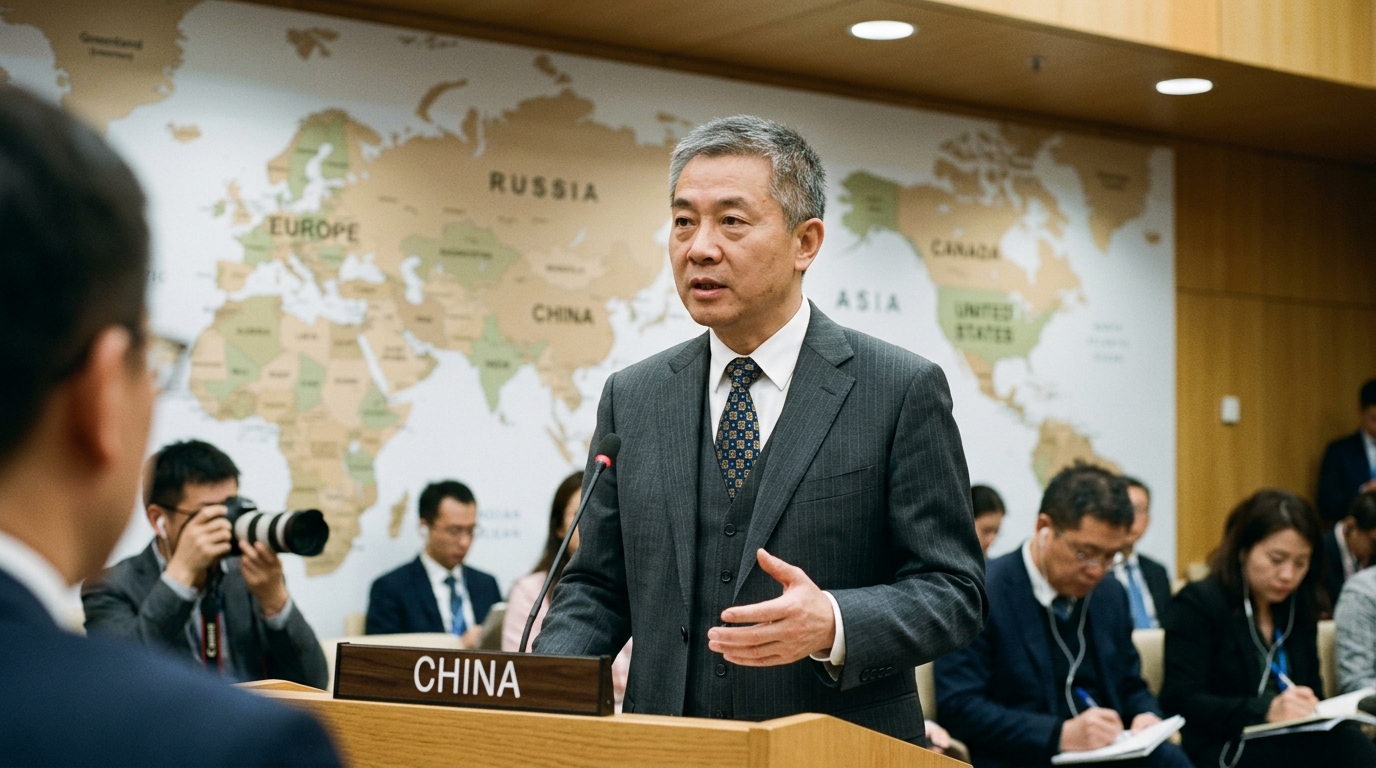
China's Ministry of Commerce (MOFCOM), in a strongly worded statement, characterized the sanctions as 'illegal and unilateral,' emphasizing that they lack a basis in international law or the approval of the UN Security Council. 'China will take all necessary measures to resolutely protect the legitimate rights and interests of Chinese enterprises,' a ministry spokesperson stated, meaningfully adding that 'all consequences will be borne by the European side.'
Dual-Use Technology Under the Microscope
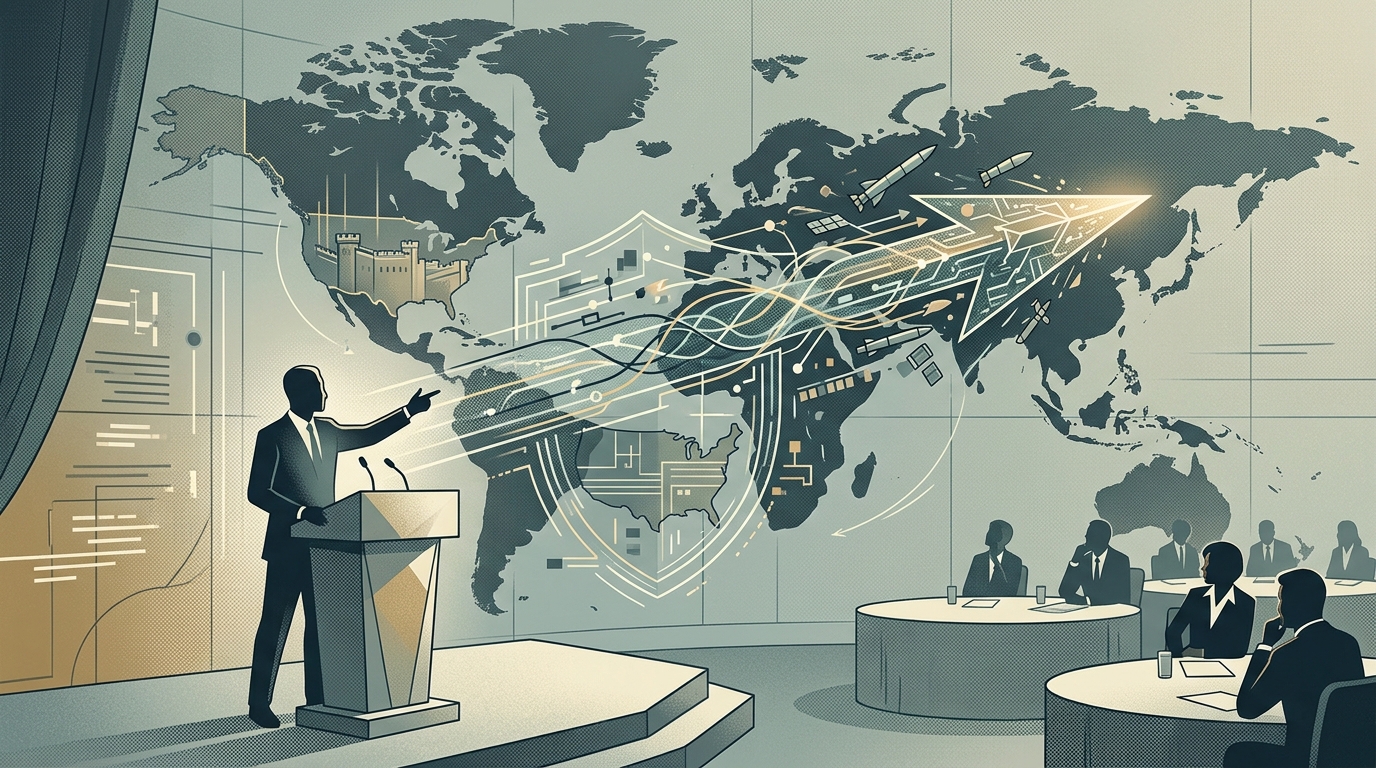
At the heart of the dispute lies so-called 'dual-use' goods. These are technologies intended for civilian use—such as microchips for washing machines or sensors for cars—but which can easily be repurposed for guided missiles or electronic warfare systems. Brussels argues that Chinese companies are acting as intermediaries, bypassing existing restrictions and allowing Moscow to maintain its operational capacity despite Western pressure.
- Semiconductors: Russia has managed to stabilize weapons production through imports from Asia.
- Logistics: Shipping companies based in Hong Kong and mainland China are under investigation for transporting banned materials.
- Satellite Data: There are suspicions regarding the provision of geospatial data helping Russian operations on the Ukrainian front.
Economic Countermeasures and the Shadow of Trade War
Beijing's warning is not an empty threat. China possesses a vast toolkit of countermeasures that could severely impact the European economy. Already, anti-dumping investigations have begun into European products such as cognac, pork, and dairy—moves interpreted as direct retaliation for tariffs on Chinese electric vehicles (EVs). If tensions escalate due to the Russia-related sanctions, Beijing could restrict the export of critical raw materials, such as rare earths, which are essential for Europe's green transition.
Analysts point out that the EU is in a formidable dilemma. On one hand, the continent's security requires the weakening of Russia, which is impossible without curtailing Chinese assistance. On the other hand, the economic survival of many European industries, particularly the German automotive sector, depends on access to the Chinese market. The decision to proceed with the sanctions suggests that, for now, geopolitical security is taking precedence over commercial interests in Brussels.
The Geopolitical Dimension: US, China, and the 'New Order'
The role of Washington in this development cannot be ignored. The US has been exerting intense pressure on its European allies to adopt a tougher stance toward China, aligning with American sanctions. The inclusion of Chinese companies in the European package represents a victory for American diplomacy, but it simultaneously pushes Beijing and Moscow into an even closer 'limitless partnership.'
The question that remains unanswered is how far China is willing to go. If Beijing decides to respond with symmetrical sanctions against European giants, we could see a disintegration of the global supply chain reminiscent of the darkest days of the Cold War. The diplomacy of the coming weeks will be decisive in determining whether a head-on collision, which no one seems able to truly win, can be avoided.