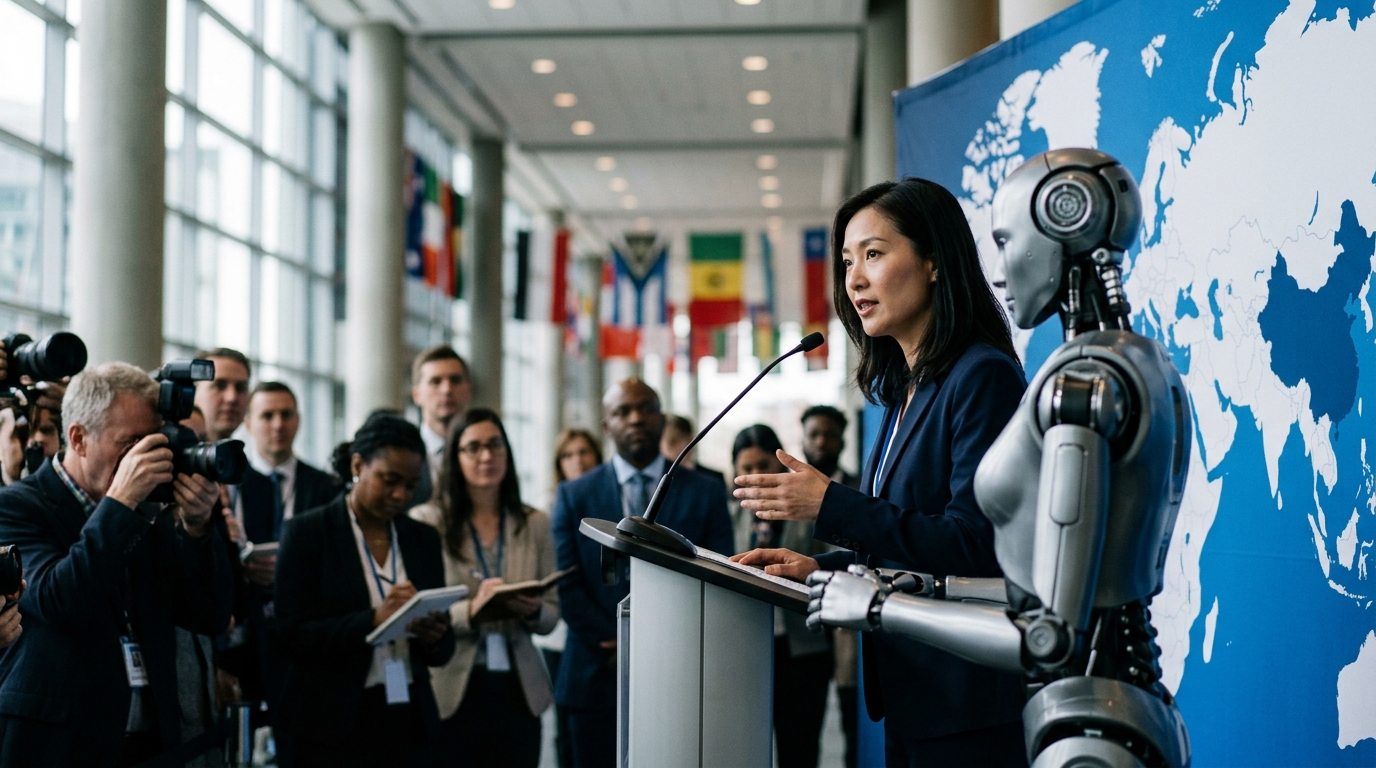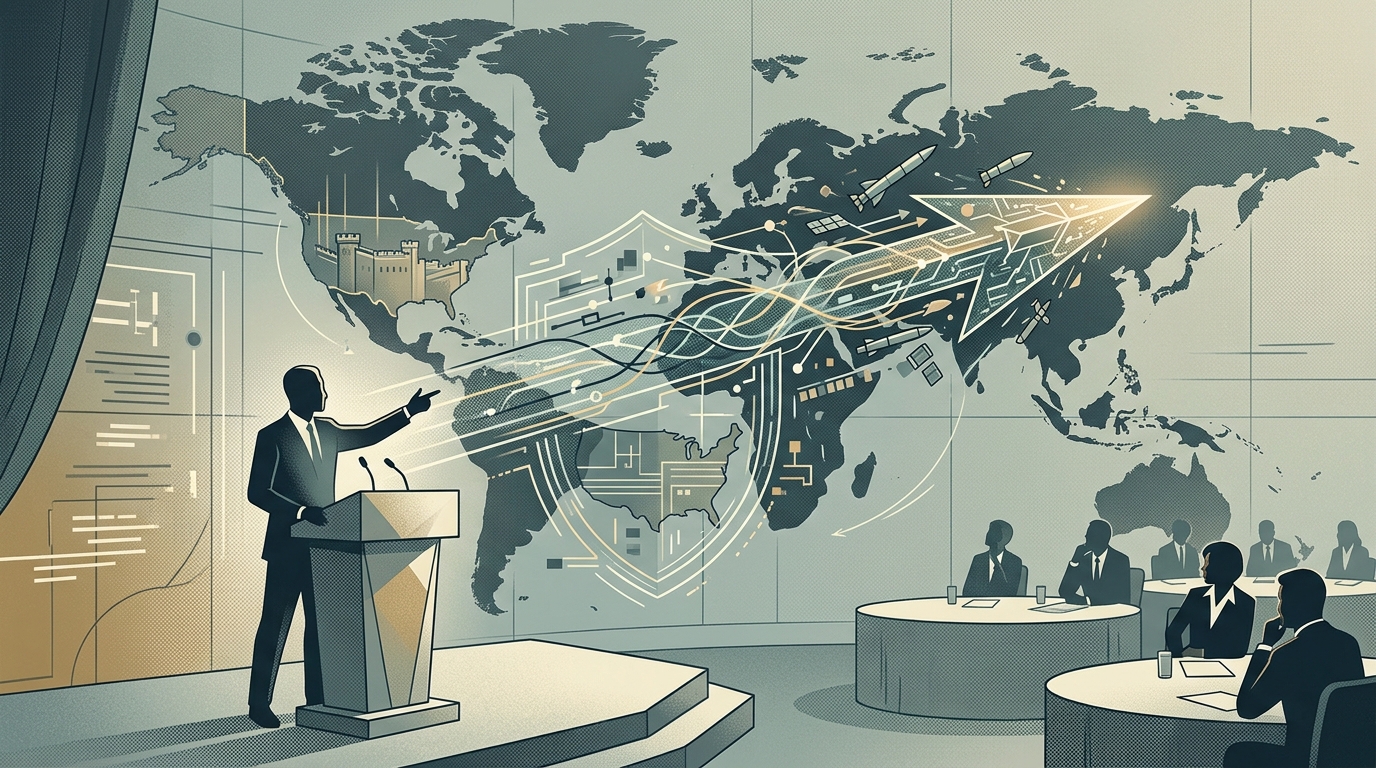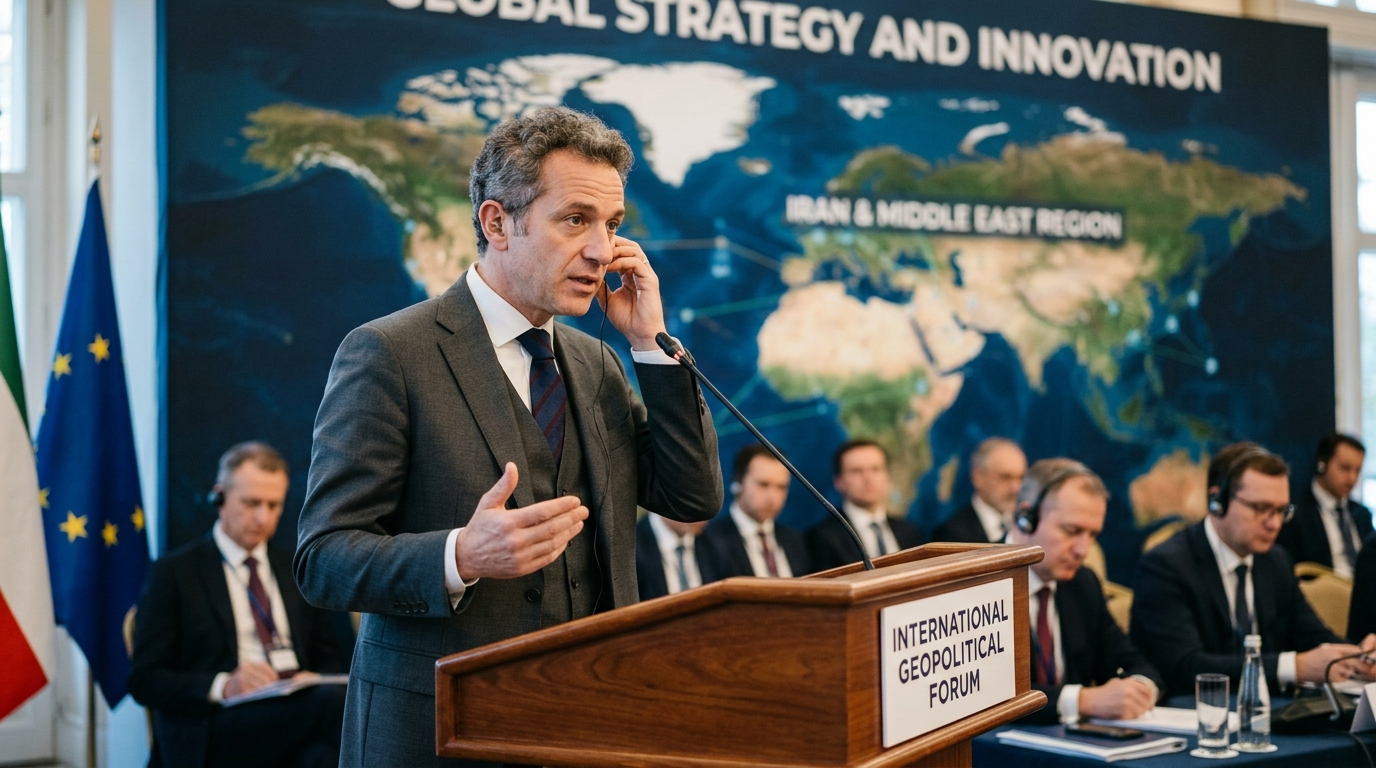
Modern geopolitical reality is no longer defined solely by geography, natural resources, or troop numbers, but by the power of algorithms and the speed of data processing. At this critical juncture, Evripidis Stylianidis, Professor of Law and Member of the Hellenic Parliament, presents a profound analysis through his new book, directly linking the conflicts in Iran with the rise of Artificial Intelligence (AI). According to Stylianidis, what we are witnessing in the Middle East is not just a local conflict, but a testing ground for a new form of global dominance.
The Transition from Kinetic to Algorithmic Warfare
Stylianidis argues that the case of Iran highlights the full integration of AI into military operations. We are no longer referring only to 'smart' weapons, but to systems that make decisions in fractions of a second, often without direct human intervention. The use of autonomous drones, AI-powered cyber-espionage, and the prediction of adversary movements through Big Data have changed the rules of the game. Iran, being a regional player with significant technological ambitions and a target of advanced cyber-attacks (such as the historic Stuxnet which evolved into AI-driven threats), serves as the ideal example of how technology can bypass traditional diplomacy.
The Legal and Ethical Vacuum
As a legal scholar, Stylianidis focuses particularly on the deficit of international law surrounding the use of AI in war. "Who bears responsibility when an algorithm decides on a strike that leads to civilian casualties?" he asks. His book highlights the need for a new 'Digital Law of Nations,' as the existing Geneva Conventions seem inadequate in the face of machine autonomy. The geopolitical balance is shaken, as the possession of advanced AI gives states—and even non-state actors—the ability to exert disproportionate influence, making traditional borders porous.
Greece and Europe Facing the Challenge
In his analysis, Stylianidis does not limit himself to Iran but extends his concerns to the role of Greece and the European Union. He emphasizes that Europe risks becoming a mere consumer of technology produced in the US or China if it does not invest in its own 'digital sovereignty.' For Greece, understanding these changes is a matter of national security, given its position in an unstable region where the use of AI drones and electronic warfare systems is already a daily reality.
"Artificial Intelligence is not just a tool; it is the new language of power. Whoever does not understand it is condemned to become the object of others' history," Stylianidis notes characteristically.
In conclusion, Stylianidis' work serves as a warning about the need to redefine democracy and freedom in a world where algorithms can influence everything from the outcome of a battle to the stability of an entire political system. The connection between Iran and AI is the tip of the iceberg of a new era, where ethics must catch up with technology before the latter renders human judgment obsolete.