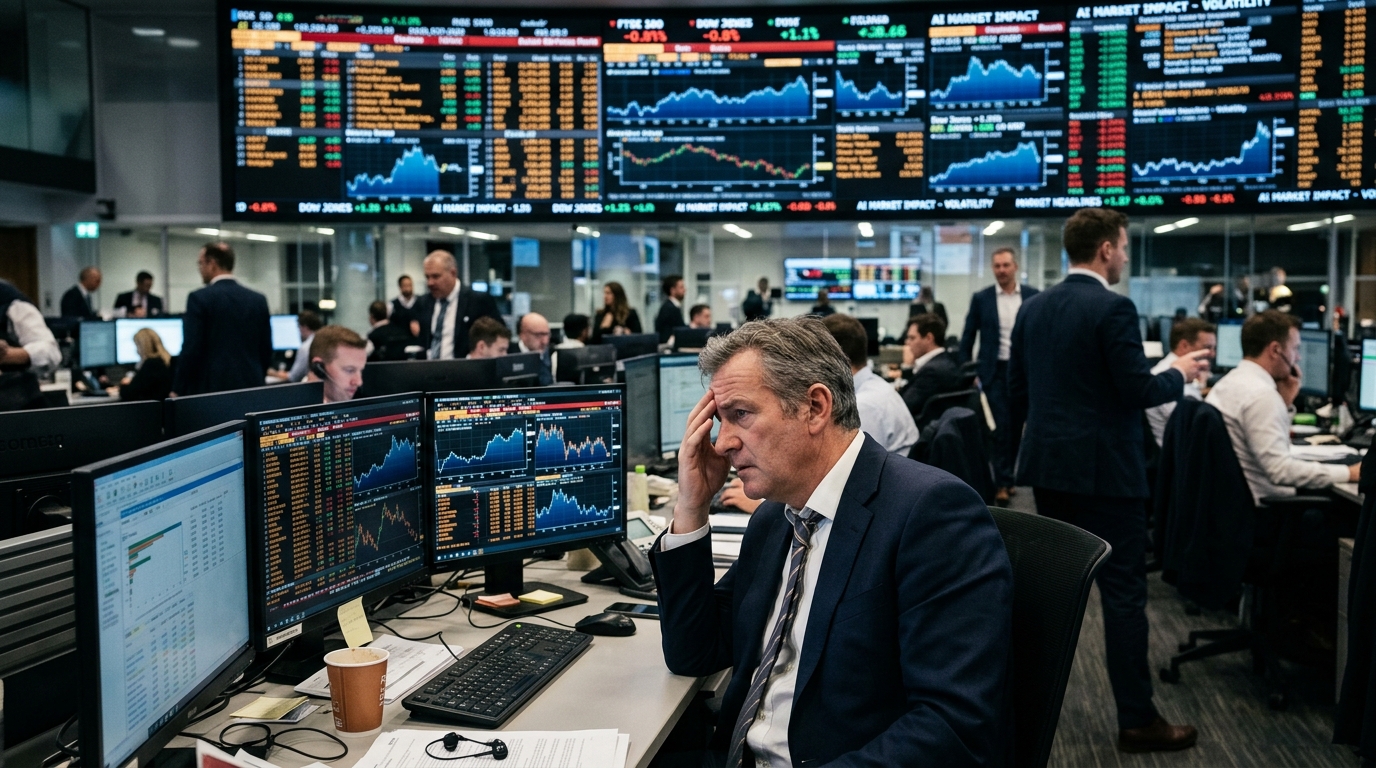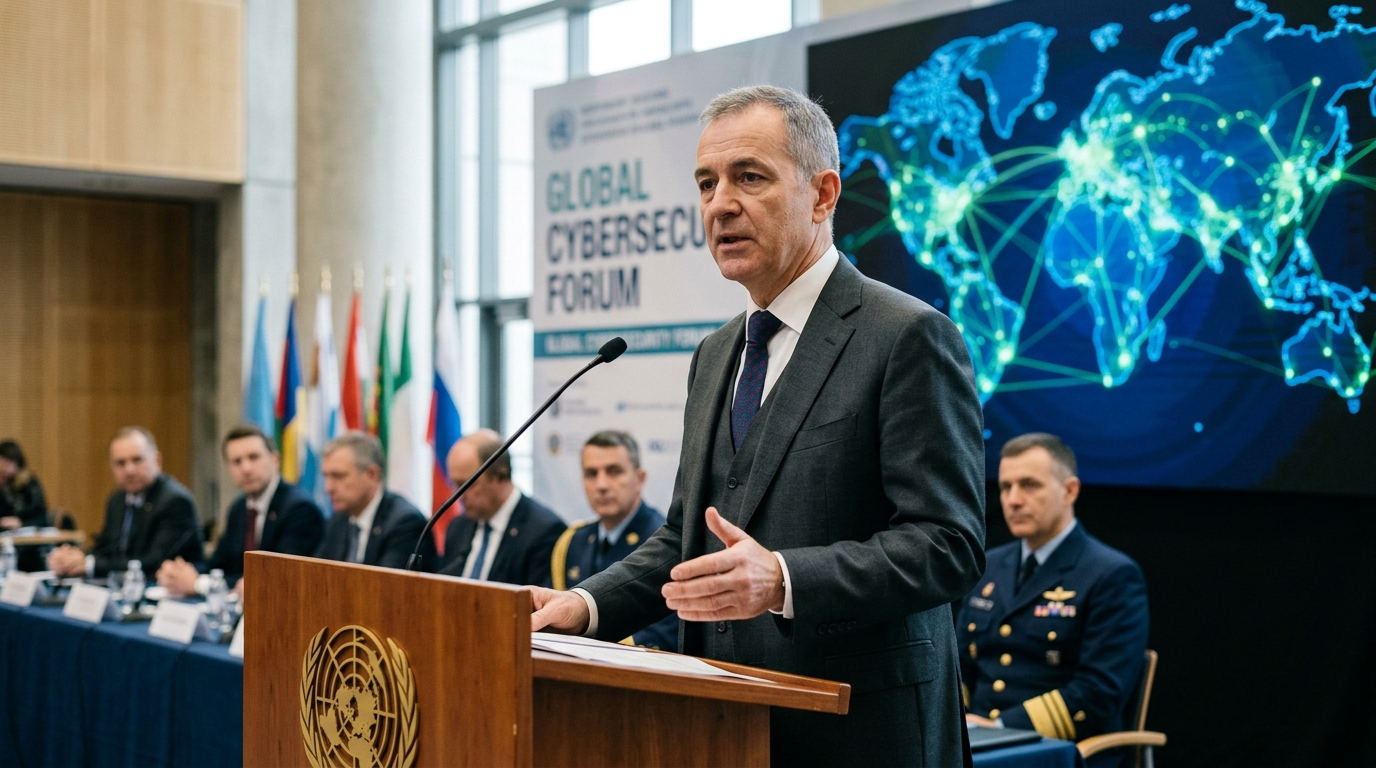
In an era where geopolitical balances are increasingly redefined through algorithms, the 5th Asia-Europe Economic Forum (AEEF), recently concluded, marked a historic turning point. Artificial Intelligence (AI) was not merely a topic on the agenda; it was the central axis around which discussions on the future of international trade, security, and sustainable development revolved. As Europe seeks to export its regulatory model and Asia solidifies its position as the global laboratory of innovation, the meeting in Vietnam highlighted the urgent need for a 'digital diplomacy' to bridge the gap between the two continents.
AI as a Catalyst for a New Global Order
The forum's central theme made it clear that AI has ceased to be a narrowly technological issue. Today, it is the primary instrument through which nations pursue 'digital sovereignty.' Representatives from the European Union and ASEAN (Association of Southeast Asian Nations) agreed that cooperation is the only way to avoid a fragmented digital world. The discussion focused on building common standards for the ethical use of AI, ensuring that technology serves humanity rather than the other way around.
Particular emphasis was placed on knowledge transfer. While Europe possesses a robust legal framework (the AI Act), Asia boasts the implementation speed and the massive data volumes required to train next-generation models. The convergence of these two worlds could create a significant counterweight to the monopoly of tech giants from the US and China, promoting a more multipolar and democratic digital ecosystem.
Regulatory Convergence and the Ethical Challenge
One of the most thorny issues at the forum was the balance between innovation and regulation. European officials stressed that public trust is essential for AI adoption, requiring transparency and accountability. On the other hand, Asian partners, led by Vietnam and Singapore, argued that overly strict rules could stifle startups before they even have a chance to scale.
The proposed solution is the creation of cross-border 'regulatory sandboxes.' This would allow companies from Europe and Asia to test new AI applications in a controlled environment that meets the safety criteria of both regions. Such initiatives are considered vital for sectors like telemedicine, smart agriculture, and energy management, where AI can offer immediate solutions to global challenges.
The Geopolitics of Semiconductors and Supply Chains
No discussion on AI could be complete without referencing the hardware that powers it. The forum highlighted Southeast Asia's critical role in the global semiconductor supply chain. With tensions in the Pacific remaining high, Europe is looking for reliable partners to diversify its microchip supply sources. Vietnam, emerging as a new semiconductor manufacturing hub, offers an attractive alternative.
Participants discussed the creation of an 'Asia-Europe Digital Corridor,' which would facilitate not only the trade of components but also cooperation in Research and Development (R&D). Investing in joint research centers for quantum computing and low-energy AI is seen as a strategic priority for achieving Green Deal targets and the digital transition.
Conclusions and the Path Forward
The 5th Asia-Europe Economic Forum did not just end with a declaration of intent but with a roadmap for the coming years. AI was recognized as the 'common language' that can unite diverse economic and political systems. However, the road remains difficult. The success of this cooperation will depend on the ability of leaders to set aside protectionism and invest in building digital skills for their citizens.
As emphasized in the closing remarks, artificial intelligence is not a race to be won by one continent at the expense of another. It is a collective effort to redefine prosperity in the 21st century. Asia-Europe cooperation in AI could serve as the template for a new global governance based on technological interdependence and mutual respect.