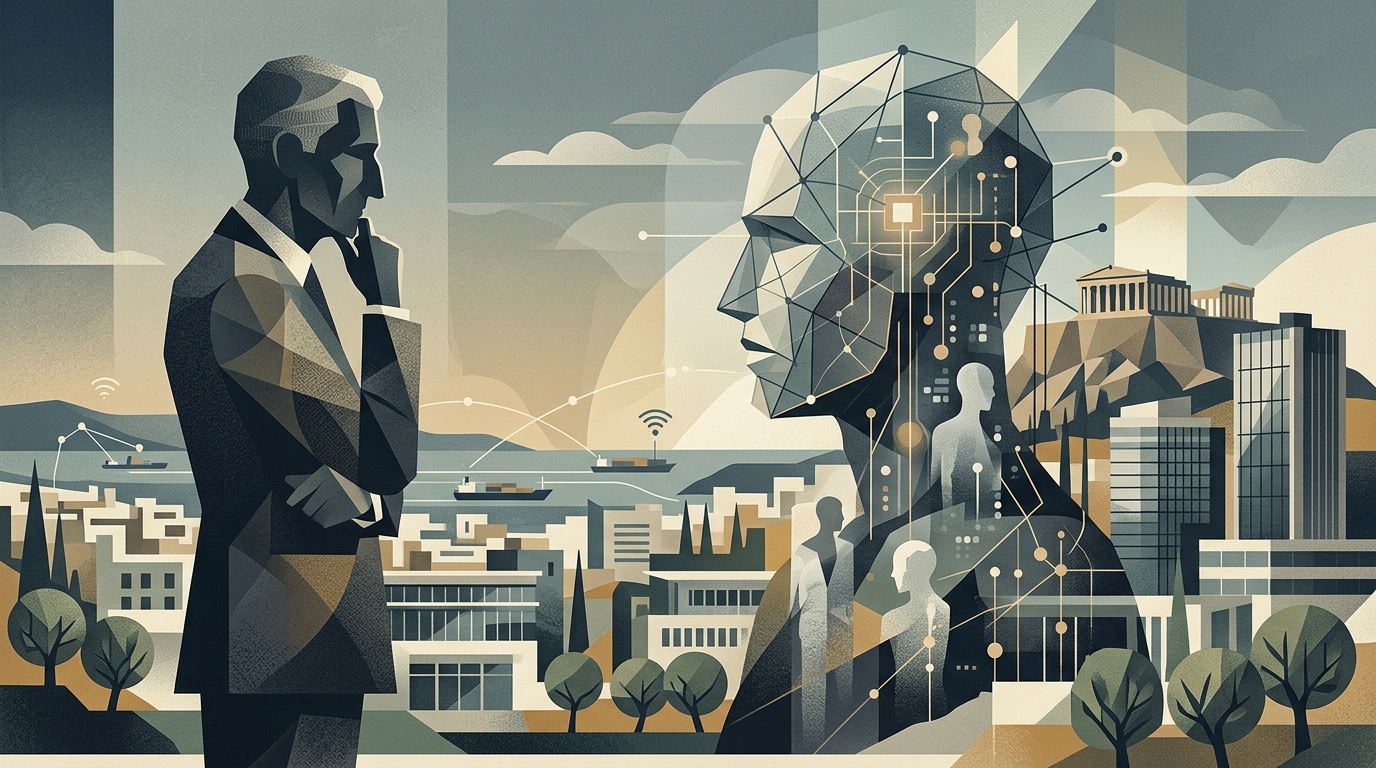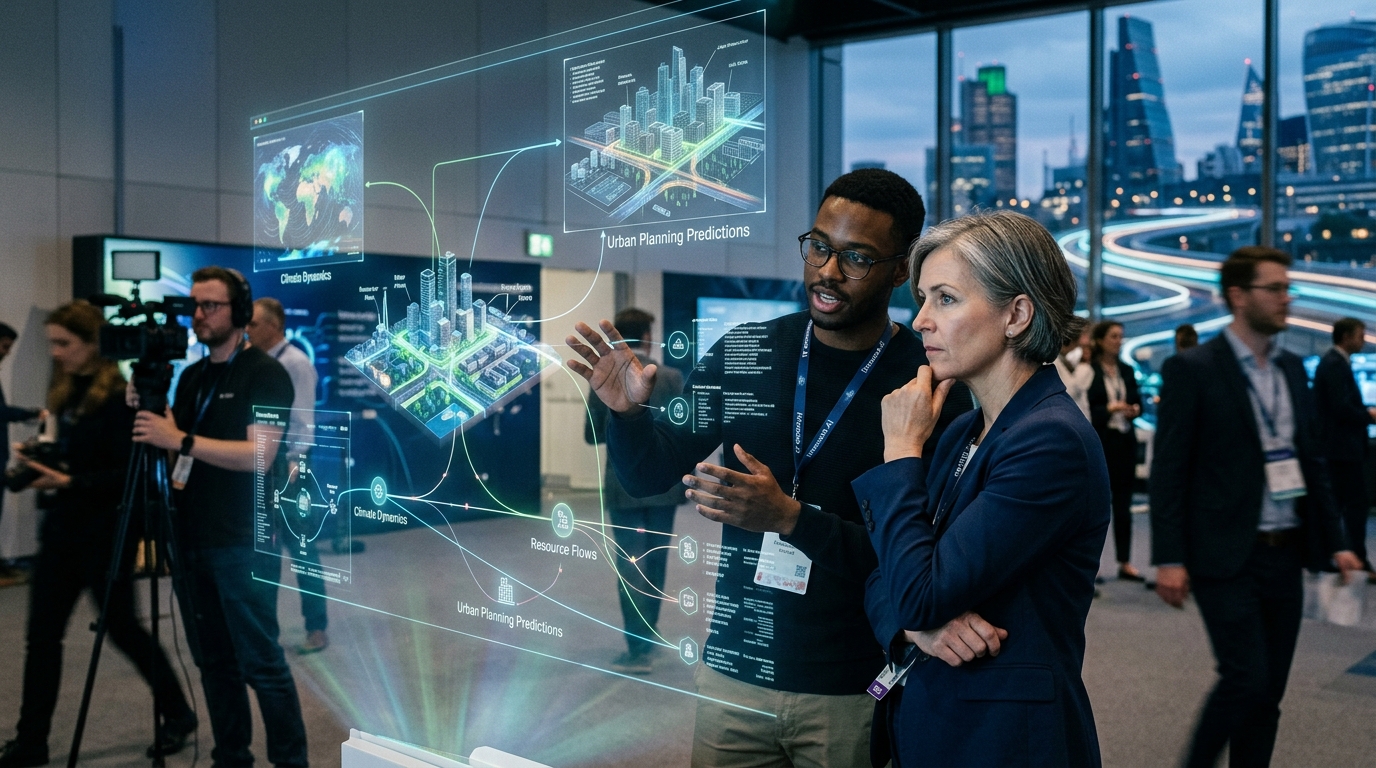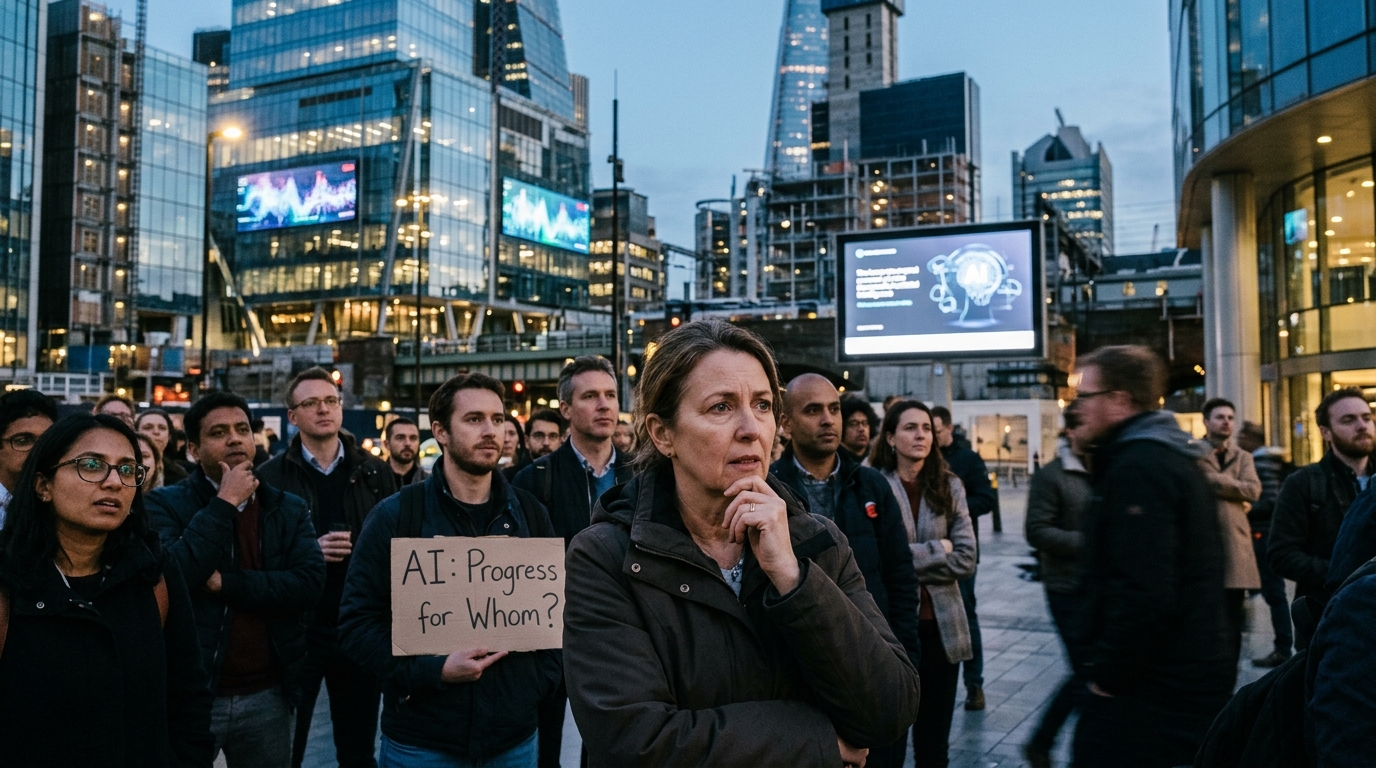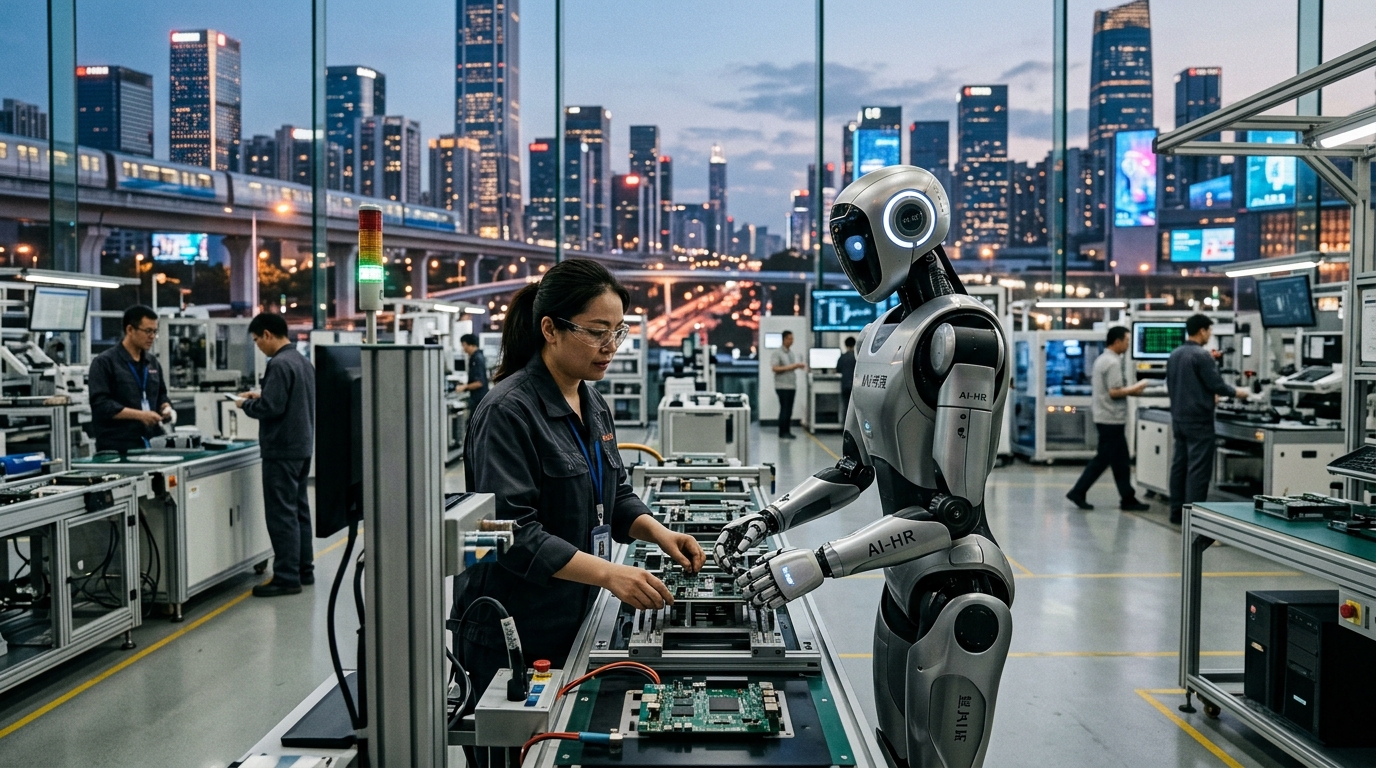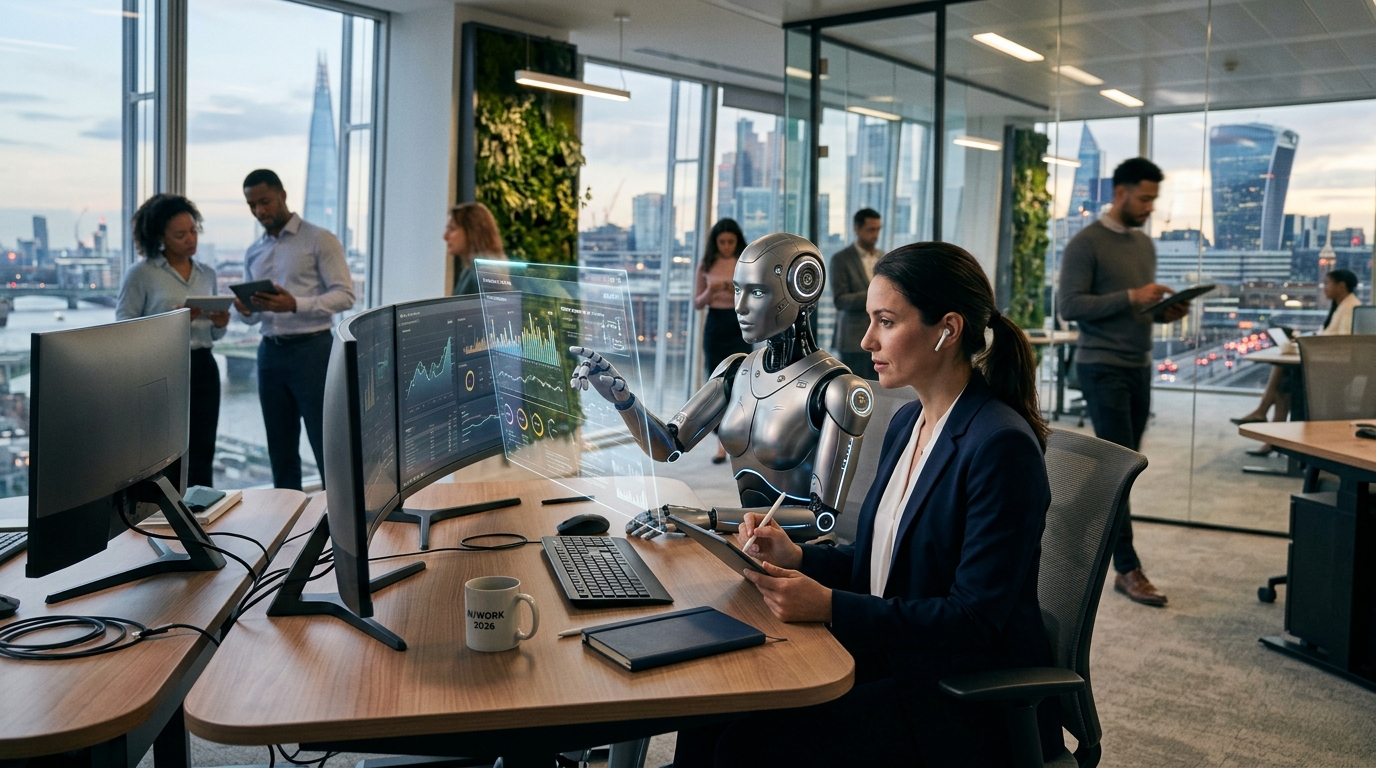
As we navigate the summer of 2026, the conversation surrounding Artificial Intelligence (AI) has shifted from the initial panic of "replacement" to a much more complex and intriguing reality: symbiosis. It is no longer about a technology that simply follows commands, but about a "digital colleague" that actively participates in decision-making, creativity, and strategy. The new equation in work is not "Human or Machine," but "Human + Machine," a dynamic that is rearranging hierarchies, corporate cultures, and the very concept of professional value.
From Tool to Agent: The Era of Autonomous Collaboration
Until two years ago, we used AI as a sophisticated tool for searching or drafting texts. Today, in 2026, the advent of "Agentic AI" has changed the game. These systems do not wait for a specific prompt for every step; they have the ability to understand a general goal, analyze the necessary stages, and collaborate with other human or digital agents to achieve it. In marketing departments, for example, AI doesn't just write an email; it manages entire campaigns, adjusting strategy in real-time based on consumer reactions.
This autonomy creates a new form of "teamwork." The human takes on the role of the orchestrator. The challenge here is not technical, but managerial. How do you manage a team where its members process data at the speed of light? The ability to set the right ethical boundaries and direct the team's vision is emerging as the top skill of our era.
The Skills Revolution: The Return of Humanity
Paradoxically, the dominance of AI has brought the most "human" skills back to the forefront. As machines take over the burden of data analysis, programming, and bureaucracy, the labor market craves empathy, critical thinking, and ethical judgment. Businesses in 2026 are no longer looking for "data scientists" at the same rate they are looking for "human-AI interface specialists" – people who can bridge the gap between the cold logic of algorithms and complex human needs.
- Emotional Intelligence (EQ): The ability to manage conflict and build trust remains an exclusively human privilege.
- Strategic Synthesis: AI can suggest ten solutions, but a human must choose the one that aligns with the values and long-term survival of the organization.
- Adaptability: In a world where technological cycles last months rather than decades, the ability to "unlearn" and learn from scratch is a matter of survival.
Economic Implications and the New Social Contract
The integration of AI into work teams has skyrocketed productivity, but it has also created a deep rift. While big tech companies and service sectors see their profits soar, the pressure on wages for jobs that can be automated is unprecedented. The discussion about Universal Basic Income (UBI) or reducing working hours without a reduction in pay is no longer utopian, but a necessity being debated in EU parliaments.
"You don't risk losing your job to AI, but to a human who knows how to use AI better than you," is a common market refrain, but the truth is more complex.
The "new equation" requires the state and businesses to invest massively in retraining. In 2026, the cost of inaction is far greater than the cost of transition. Workers left behind do not just face unemployment, but digital exile. Social cohesion depends on whether this new productivity will be diffused throughout society or if it will accumulate in a technocratic elite.
Conclusion: The Challenge of Coexistence
Work in 2026 is an ongoing experiment. Artificial Intelligence is not the enemy, but a mirror that forces us to see what makes us truly indispensable. The success of this new team – human and machine – will be judged not by how fast we produce code or text, but by whether we manage to maintain our humanity within an environment of absolute digital efficiency. The equation has been solved; it remains to be seen if the result will justify us.