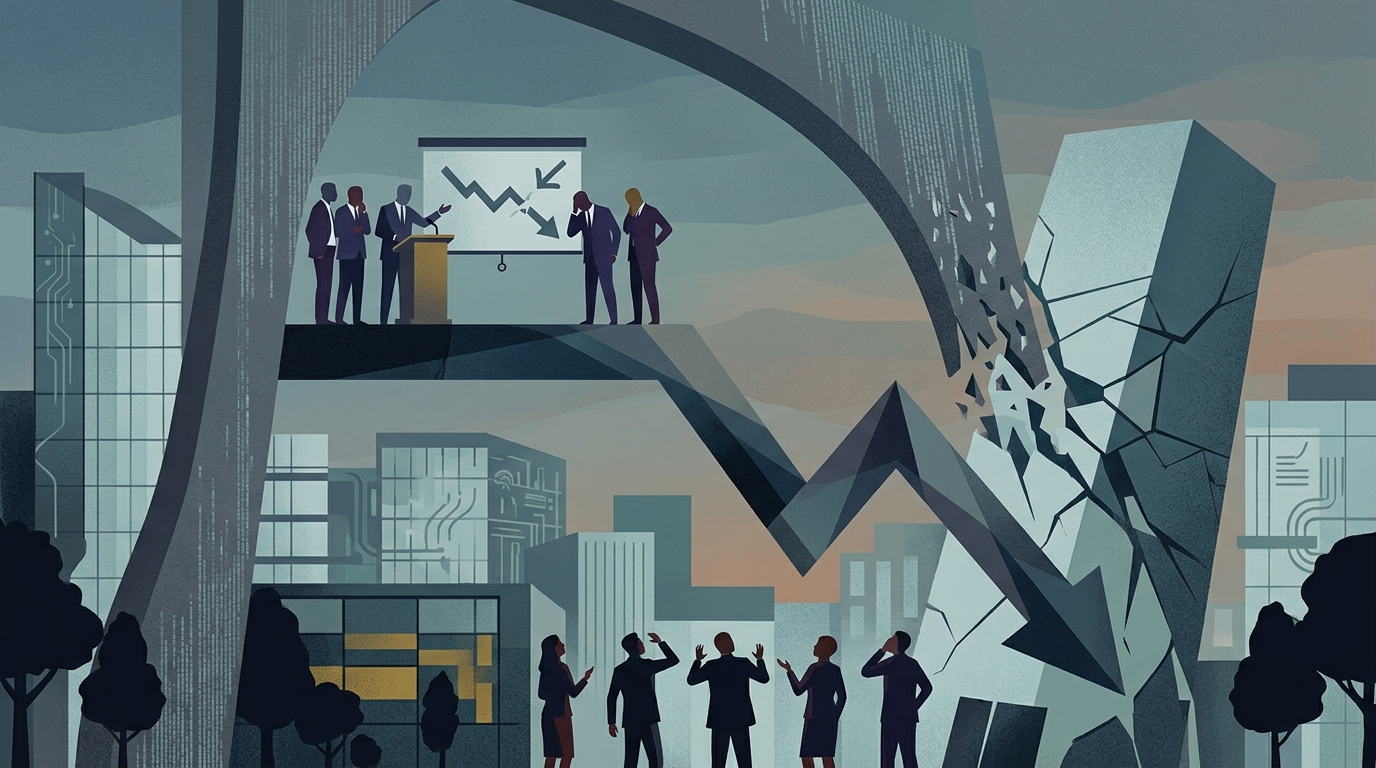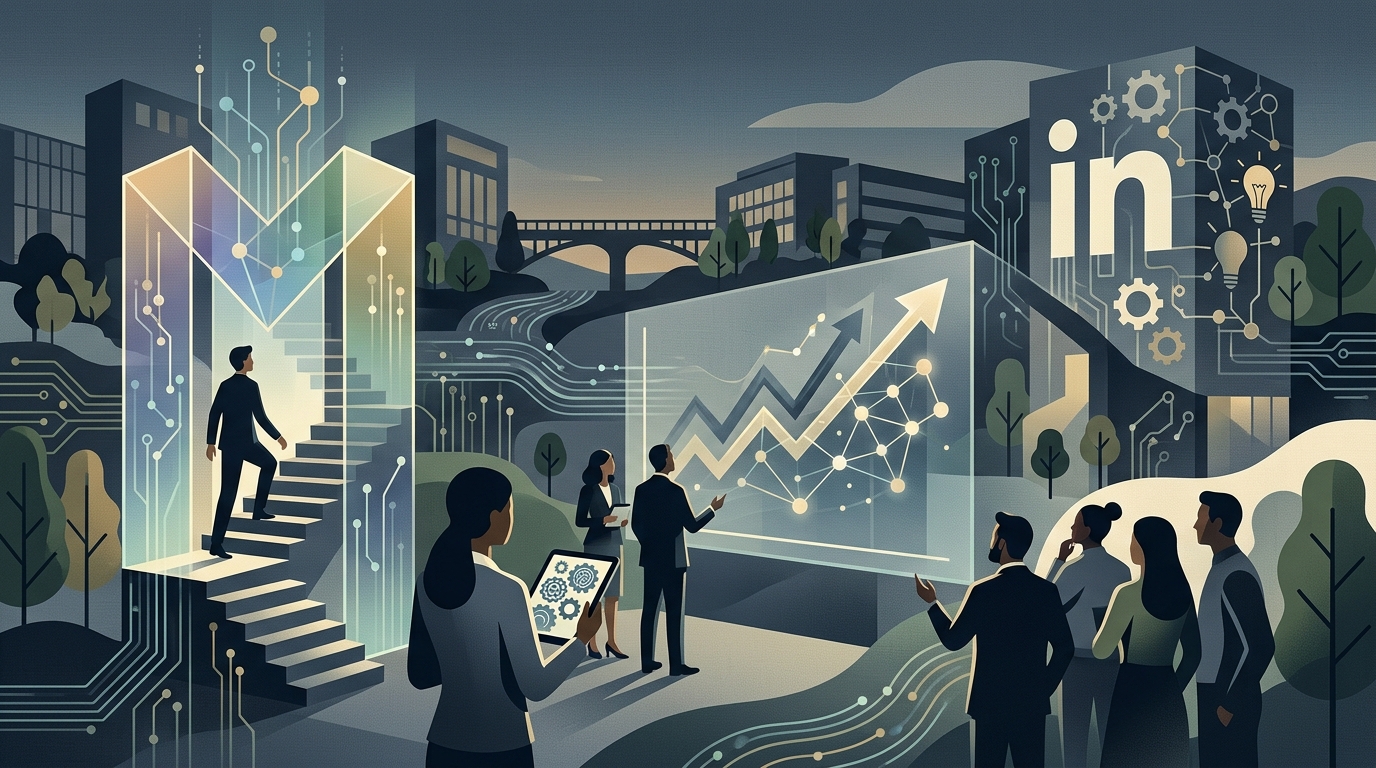
The labor market is not merely evolving; it is undergoing a transformation at a scale and speed unseen since the Industrial Revolution. According to the latest 'Work Trend Index' report from Microsoft and LinkedIn, Artificial Intelligence (AI) is no longer a futuristic perk but the fundamental prerequisite for professional survival. The analysis, grounded in data from millions of users and thousands of organizations, reaches an inescapable conclusion: 'AI aptitude' is the skillset that will define the winners and losers of the next decade.
The BYOAI Phenomenon: A Grassroots Revolution
One of the report's most striking findings is the surge of 'Bring Your Own AI' (BYOAI). While many corporations are lagging in establishing official AI policies, employees are taking matters into their own hands. A staggering 75% of knowledge workers globally are already using AI tools at work, and more importantly, 78% of them are bringing their own tools to the office—often without official approval or IT oversight.
This bottom-up revolution suggests a profound hunger for efficiency. Workers, overwhelmed by the volume of digital communication and administrative drudgery, are turning to ChatGPT, Copilot, and other tools to 'buy back' time. However, this trend poses significant risks to data security and corporate governance, highlighting a massive leadership vacuum in modern enterprises regarding technological integration.
The Skillset Overtaking Experience
Perhaps the most provocative insight from the report is the shift in hiring priorities. According to LinkedIn data, 71% of hiring managers say they would rather hire a less experienced candidate with AI skills than a more experienced one without them. This marks the end of an era where 'linear' experience was the absolute sovereign of the resume.
'AI aptitude' is not just about knowing how to write prompts. It is about the ability to integrate Generative AI into the workflow, critically assess the quality of machine-generated output, and solve complex problems through human-machine collaboration. Employers are now less afraid of AI replacing humans and more afraid of their company being replaced by competitors who know how to leverage it effectively.
The Productivity Paradox and Mental Health
While AI promises to liberate us from the 'drudgery' of work, the report reveals a shadow side: the risk of increased intensity. Workers using AI report saving time, but that time is often immediately filled with more tasks, leading to a productivity treadmill that can result in burnout. The challenge for organizations is to use the 'AI dividend' not to squeeze more out of staff, but to foster creativity and strategic thinking.
The data shows that heavy AI users—those who use it at least several times a week—save more than 30 minutes a day. Yet, the volume of emails and meetings continues to rise. For AI to truly fulfill its promise, leadership must intervene to redesign work itself, rather than just automating existing, broken processes.
Conclusion: Adapting to the Algorithmic Age
In conclusion, the Microsoft and LinkedIn analysis is not just a technical report; it is a roadmap for social change. Education must be reimagined, businesses must invest heavily in reskilling, and workers must adopt a mindset of continuous learning. The era where a single degree sufficed for an entire career is gone forever. In the new world of work, the only constant is the ability to evolve alongside the algorithms. The 'AI-first' professional is no longer a niche category—it is the new standard.