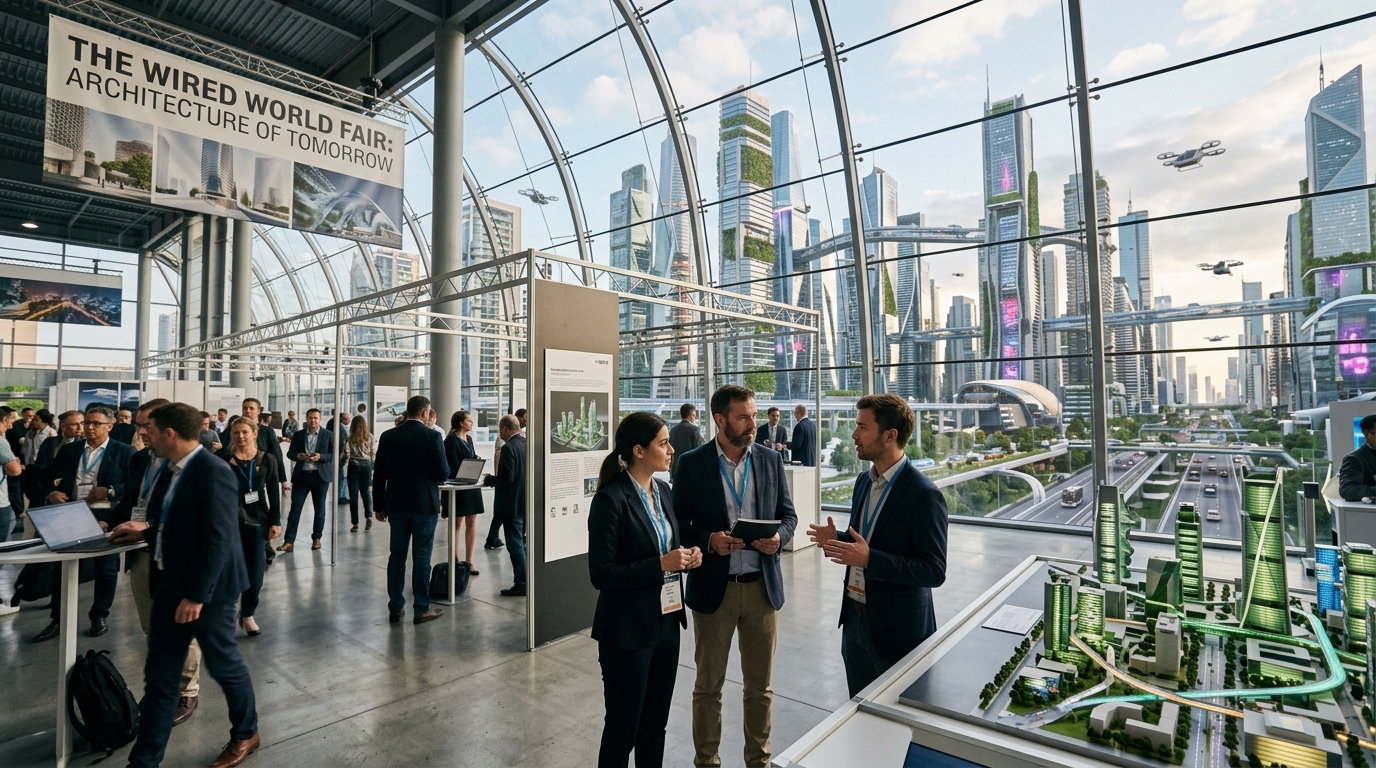
In the heart of the digital age, the concept of a "World Fair" might seem almost anachronistic, a relic from the era of steam and early electricity. However, the WIRED World Fair overturns this impression, proposing a modern reboot of our collective imagination. This is not merely a showcase for new gadgets, but a holistic approach to how we will live, work, and coexist in the decades to come.
The Legacy of the Future and the New Reality
Historically, World Fairs were the venues where humanity first encountered the telephone, television, and space travel. Today, the WIRED World Fair shifts the center of gravity from "what can be built" to "what must be preserved." The 2026 theme focuses on the concept of "Resilient Progress." In a world grappling with the climate crisis and geopolitical upheavals, technology is no longer viewed as a standalone miracle, but as the essential tool for the survival and prosperity of our species.
Artificial Intelligence: From Tool to Infrastructure
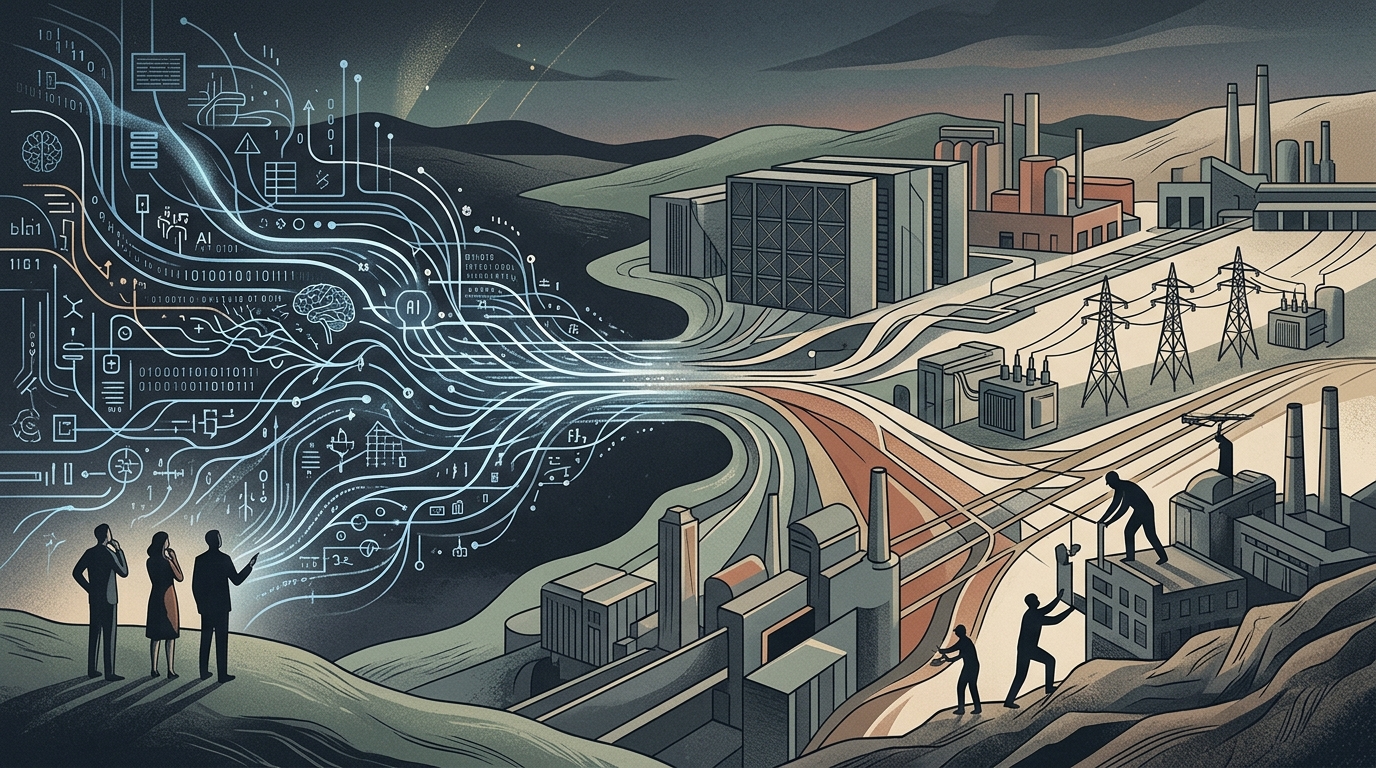
Artificial Intelligence (AI) holds a central place in the fair, but not in the way we experienced it during the early stages of LLMs. WIRED's vision presents AI as an invisible yet ubiquitous infrastructure, akin to the power grid. Here, we see "Embodied AI" — robotic systems that are not confined to screens but interact with the physical environment for reforestation, ocean cleanup, and urban infrastructure reconstruction. The conversation has shifted from the fear of replacement to the promise of augmenting human capabilities through AI.
- Synthetic Biology: The ability to "program" matter to create biodegradable construction materials.
- Quantum Computing: Its application in solving complex supply chain problems and climate modeling.
- Neurotechnology: Brain-computer interfaces as a means of therapy and expanding consciousness.
The City of 2050 and Social Cohesion
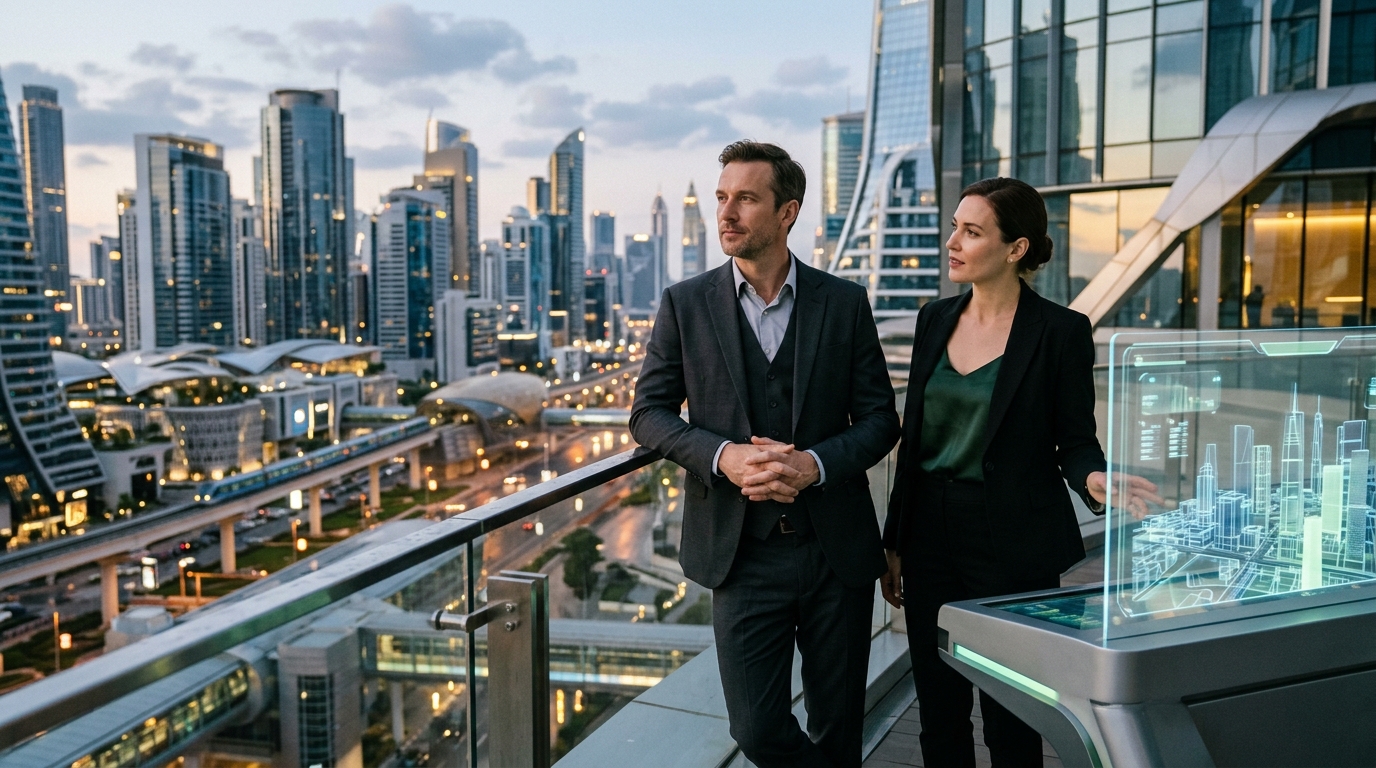
One of the most striking exhibits concerns the redesign of megacities. The WIRED World Fair proposes the model of the "Symbiotic City," where urban architecture does not compete with nature but integrates into it. Buildings that absorb carbon dioxide, vertical farms that feed entire neighborhoods, and autonomous transport systems that eliminate the need for private vehicle ownership. However, the fair does not overlook social challenges. "Digital Democracy" and privacy protection in a world of total connectivity are central pillars of reflection, posing the question: How can we remain free when every move is data?
"The future is not something that happens to us, but something we construct with every decision we make today," reads the fair's introduction.
In conclusion, the WIRED World Fair serves as a mirror of our aspirations and our fears. It calls on us to abandon dystopian fatalism and claim a world where technological superiority goes hand in hand with ethical maturity. It is an invitation to a new era of enlightenment, where science and humanity are not rivals, but allies in the quest for a sustainable tomorrow.