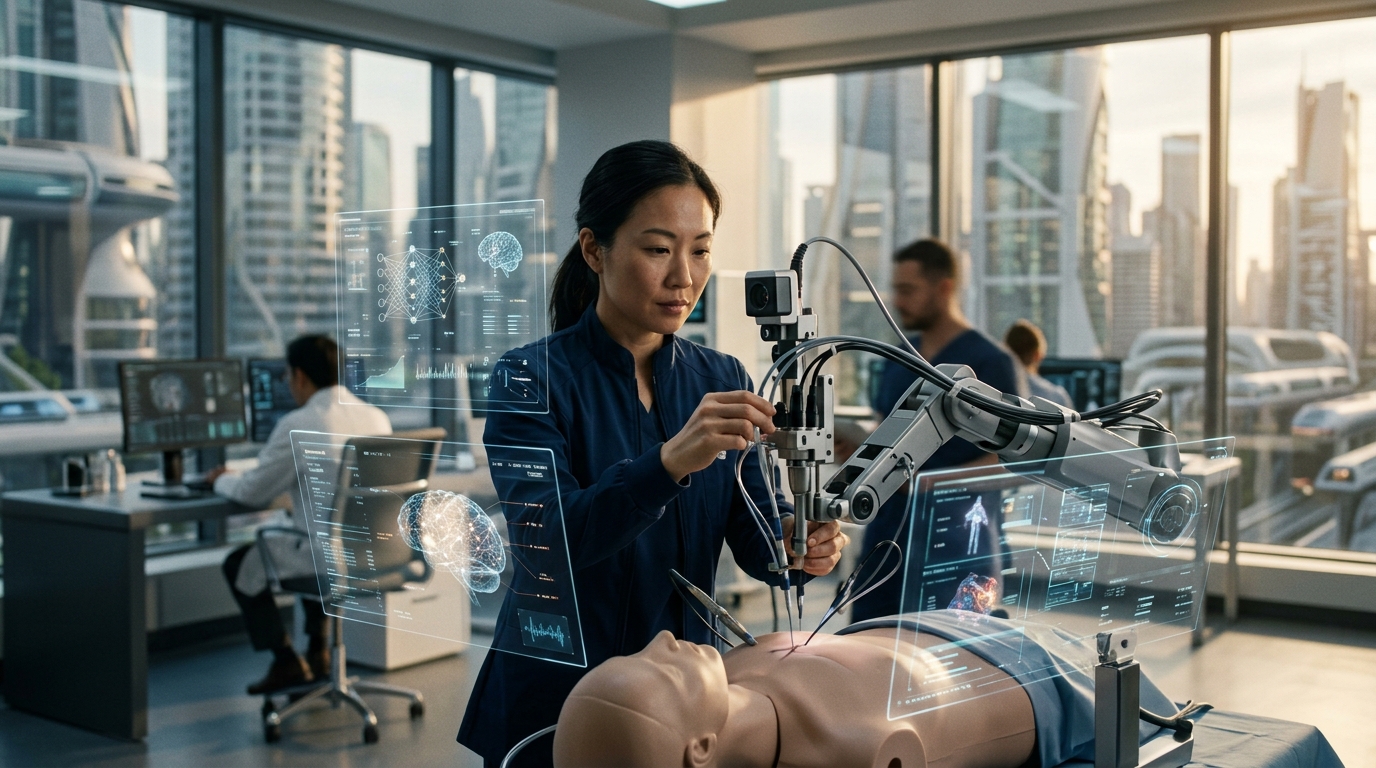
In the rapidly shifting landscape of 2026 healthcare, a quiet yet profound revolution is unfolding within hospital corridors. For years, the narrative surrounding Artificial Intelligence (AI) in medicine focused on the existential dread of human replacement. However, recent data and frontline testimonies reveal a radical shift: nurses are not only fearing AI less, but are actively embracing it as a lifeline against chronic staffing shortages and professional burnout.
The War on Bureaucracy
The primary friction point in a nurse's daily routine has never been patient care; it has been the staggering volume of administrative labor. Digital documentation, vitals logging, and navigating Electronic Health Records (EHRs) consume up to 30-40% of a shift. This is where AI is making the most significant impact. Ambient Clinical Intelligence systems use natural language processing to automatically capture patient interactions, converting conversations into structured medical notes in real-time.
This automation allows nurses to return to what they call "bedside care." When technology shoulders the burden of typing, the nurse can look the patient in the eye, provide emotional support, and focus on clinical observations that no machine can yet fully replicate. AI is not replacing the nurse; it is replacing the secretary the nurse was forced to become.
Predictive Analytics and Patient Safety
Beyond reducing workload, AI is bolstering clinical confidence. Modern algorithmic systems continuously monitor patient data, identifying subtle changes that might portend sepsis or cardiac arrest hours before symptoms manifest. Nurses now view these tools as a "digital colleague" that never tires, providing an extra layer of safety in high-stakes environments.
- Automated triage prioritization in emergency departments.
- Predicting patient fall risks through motion sensors and AI analysis.
- Optimizing medication dispensing to eliminate human error.
This acceptance stems from the understanding that AI is a Decision Support Tool, not an autonomous decision-maker. The final judgment remains in the hands of the healthcare professional, but the information they receive is now more accurate, timely, and synthesized. The "black box" of AI is becoming a transparent assistant.
The Challenge of Education and Ethics
Despite growing acceptance, the transition is not without hurdles. The need for continuous education is paramount. Nurses must learn not only how to operate these systems but also how to challenge their outputs when clinical intuition suggests otherwise—a concept known as mitigating algorithmic bias. Furthermore, data privacy remains a top concern, with nursing unions advocating for stricter ethical frameworks to govern how AI interacts with sensitive patient information.
"Technology must serve the human, not the other way around. In nursing, AI is the tool that gives us back our humanity by freeing us from mechanical tasks," says a chief nursing officer at a leading metropolitan hospital.
In conclusion, the initial skepticism is giving way to a pragmatic optimism. In a world where healthcare systems are stretched to their breaking points, Artificial Intelligence is emerging as the most unexpected ally of the nursing profession, ensuring that care remains human precisely because the machines are taking care of everything else.