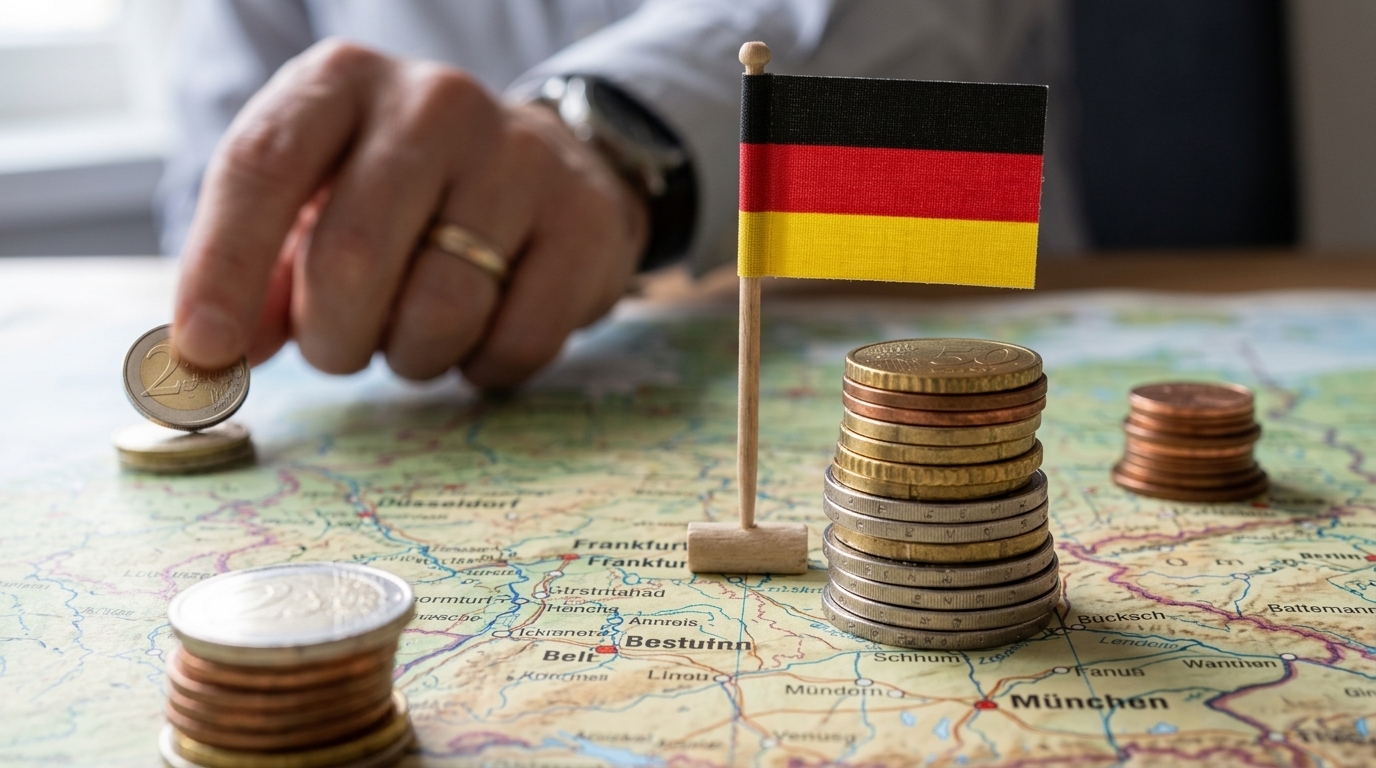
The release of Germany's inflation figures for June 2026 brings a sense of cautious optimism to the halls of power in Berlin and Frankfurt. With the consumer price index (CPI) landing at 2.4%, Europe’s largest economy appears to be distancing itself from the double-digit nightmares that haunted the continent in previous years. However, beneath the surface of these numbers lies a complex reality that demands scrutiny: while energy prices are normalizing, the "core" inflation remains stubbornly resilient.
Analyzing the Components: Energy Relief vs. Service Stickiness
The drop to 2.4% is undeniably a positive milestone, particularly given the pervasive uncertainty at the start of the year. The primary driver of this disinflationary trend has been the cooling of energy and fuel costs. Supply chains have largely stabilized, and Germany’s strategic pivot to diversified energy sources is finally yielding tangible fiscal benefits. Food prices have also shown signs of plateauing, offering a modicum of relief to German households whose purchasing power had been severely eroded over the past thirty-six months.
Nevertheless, economists are raising red flags regarding "service inflation." Unlike physical goods, services are directly tethered to wage growth. With German labor unions successfully negotiating significant pay rises to compensate for past inflationary shocks, labor costs are being passed on to consumers in sectors like hospitality, tourism, and logistics. This creates a risk of "second-round effects," which could anchor inflation above the European Central Bank's (ECB) 2% target for longer than policymakers would like.
The ECB’s Monetary Tightrope
For the European Central Bank, these German data points are a vital piece of the Eurozone puzzle. Frankfurt keeps a hawk-like eye on Germany, as it serves as the primary bellwether for regional monetary policy. The retreat to 2.4% strengthens the hand of the "doves" who advocate for more aggressive interest rate cuts to jumpstart a flagging economy. Germany has been flirting with recessionary territory for some time, and high borrowing costs have effectively paralyzed investment in construction and heavy manufacturing.
Conversely, the ECB's "hawks" remain wary. Their fear is that a premature easing of monetary policy could reignite inflationary fires, especially if the labor market remains tight. The balance is precarious: the ECB must extinguish inflation without causing the German industrial engine to seize up entirely. The current reading allows for a measured, data-driven approach to rate cuts, but it is far from a green light for a radical policy pivot.
Social and Political Implications
Beyond the macroeconomic metrics, inflation carries profound political weight. Germany is navigating a period of significant domestic friction, with the governing coalition facing pressure from the rise of populist movements. The perception that life is becoming prohibitively expensive—regardless of the official downward trend—continues to fuel public discontent. Voters do not compare today's prices to last month’s; they compare them to 2021, and that gap remains staggering.
- Disinflation does not mean prices are falling; it means they are rising more slowly.
- The cost of housing in major German hubs remains the primary concern for the middle class.
- Industrial output requires sustained low energy costs to remain competitive against Chinese and American rivals.
In conclusion, 2.4% is a step in the right direction, but Germany is not out of the woods yet. The challenge for the latter half of 2026 will be to marry price stability with a genuine economic revival. Europe’s "industrial heart" needs more than just cooling inflation; it requires a structural blueprint for the post-energy-crisis era.