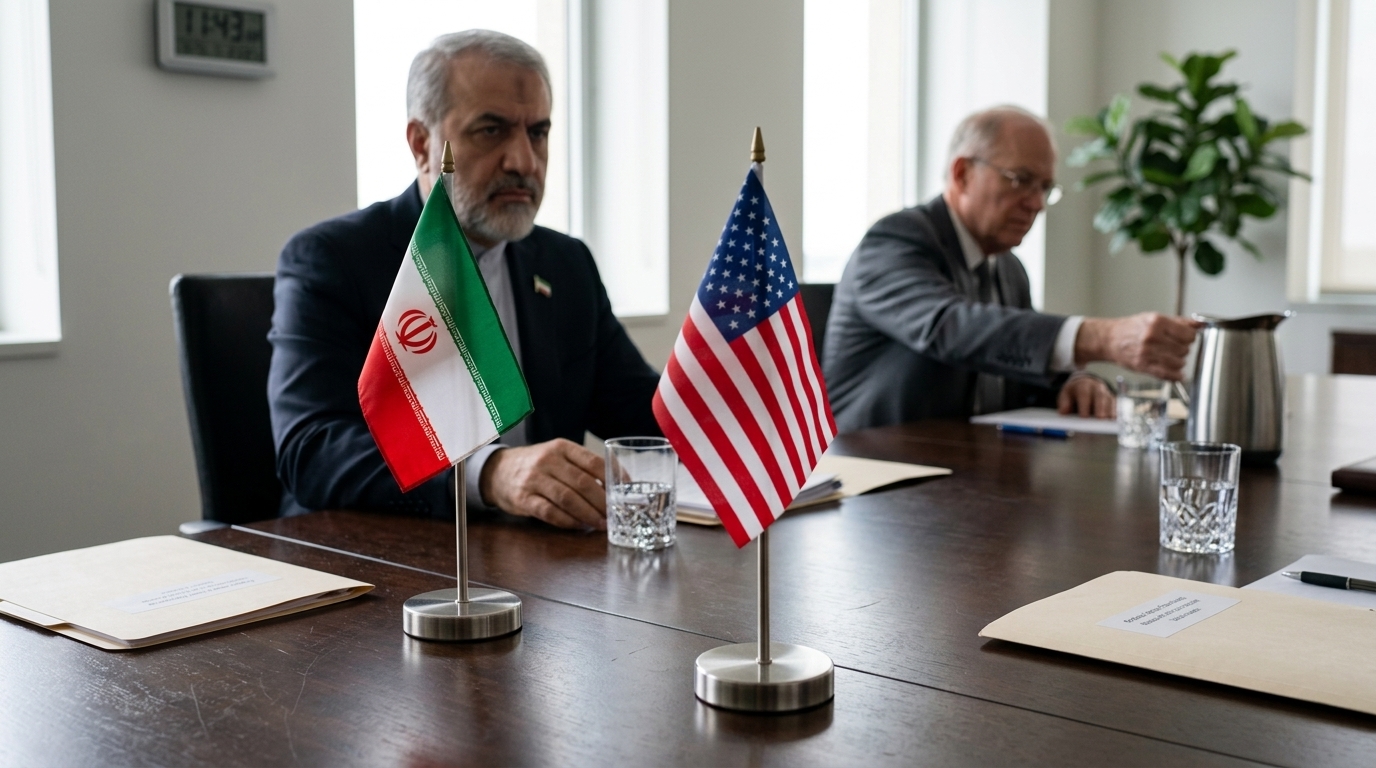
The geopolitical chessboard of the Middle East and the domestic political landscape of the United States have been rocked by recent revelations regarding a new, sophisticated Iranian plot to assassinate Donald Trump. According to reports surfaced by CNN and corroborated by sources within the Israeli security establishment, Mossad played a pivotal role in identifying operational details that point toward an escalation of Iranian aggression on American soil. This warning is not merely a routine briefing between allies; it is a stark reminder that the vendetta ignited in 2020 with the elimination of Qasem Soleimani remains an open wound for Tehran.
The Soleimani Legacy and the Thirst for Retribution
For the Ayatollah regime, the death of General Qasem Soleimani, the architect of Iranian regional influence, was not just a military loss; it was a national humiliation demanding a commensurate response. Since the day of the drone strike in Baghdad, Iran has sworn "harsh revenge" against those responsible, with Donald Trump at the top of the list. Recent reports suggest that Tehran has shifted its strategy from mere rhetoric to concrete operational preparations, utilizing a network of agents, cyber operations, and potential collaborators within the U.S.
The gravity of the situation is underscored by the fact that American authorities have already increased security measures around Trump, recognizing the threat as "dynamic and evolving." Israel's involvement in uncovering these plots highlights the depth of intelligence cooperation between Washington and Tel Aviv, especially at a time when both nations face shared challenges from the "Axis of Resistance" across the Middle East. The sophistication of the reported plot suggests a level of planning that goes beyond amateurish attempts, involving long-term surveillance and logistical preparation.
Mossad as the Silent Guardian and the Geopolitical Stakes
Israel's decision to share this intelligence is not devoid of political calculation. At a time when relations between the Biden administration and Benjamin Netanyahu's government have faced periods of friction, the provision of such critical data serves as a confirmation of Israel's irreplaceable value as a strategic partner. Analysts point out that Iran is attempting to exploit the polarized political atmosphere in the U.S., believing that an attack on a former (and potentially future) president would trigger chaos at the heart of American democracy.
Furthermore, the timing of the warning coincides with heightened tensions on the Israel-Lebanon border and ongoing operations in Gaza. Tehran, seeing its proxies (Hezbollah, Hamas) taking significant hits, may be seeking a way to regain the initiative by bringing the conflict to the soil of Israel's primary benefactor. The use of "lone wolves" or recruited elements from third countries represents Iran's new doctrine, making the detection of such conspiracies exceptionally difficult for domestic security agencies like the FBI and the Secret Service.
Security Failures and Domestic Political Fallout
The news of the Iranian assassination plot has sparked intense reactions on Capitol Hill. Republican lawmakers are demanding further clarification on how a foreign power can plan such actions on U.S. soil, while many link the threat to the need for a more hawkish stance toward Tehran. The safety of political figures has become a central theme of public discourse, especially following perceived lapses in previous incidents, putting the Secret Service under rigorous scrutiny.
In a broader context, this revelation is likely to hamper diplomatic efforts to curb Iran's nuclear program. It is difficult for any U.S. administration to negotiate with a state that is allegedly orchestrating the assassination of its political leaders. The "shadow" of Trump, even as a private citizen or candidate, continues to define U.S. foreign policy, as Iran appears willing to risk a full-scale confrontation to satisfy its need for symbolic vengeance. The implications for the 2026 election cycle and beyond are profound, as national security becomes inextricably linked with the personal safety of political contenders.
- Mossad provided critical intelligence regarding the operational aspects of the conspiracy.
- Iran is employing a mix of digital and physical means to track the target.
- Security for Donald Trump has been dramatically bolstered across all levels.
- The revelation complicates any prospect of a diplomatic thaw between Washington and Tehran.
In conclusion, the Israeli warning emphasizes that the intelligence war is just as critical as the battles on the ground. As 2026 unfolds as a year of high tension, the ability of Western agencies to preempt asymmetric threats will determine not only the safety of specific individuals but the stability of the global order itself.