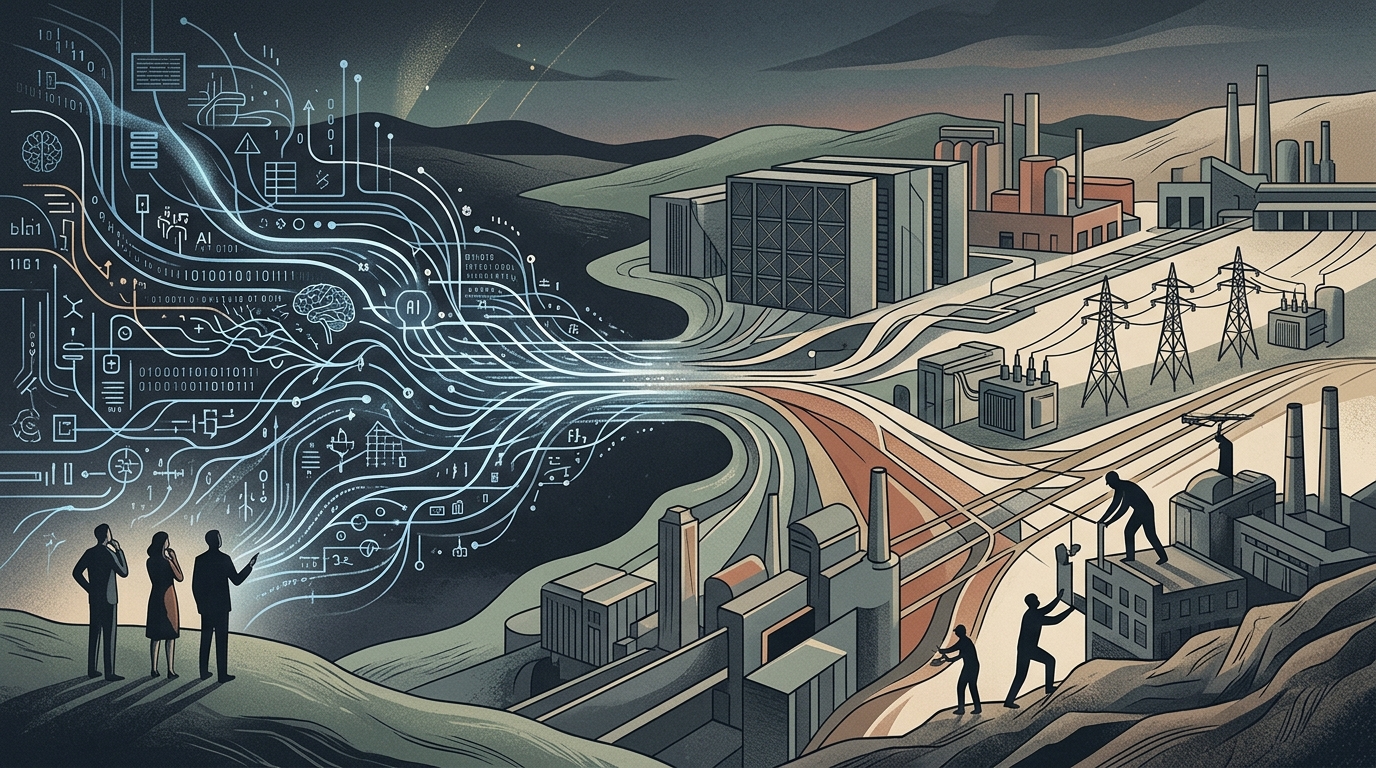
The discourse surrounding Artificial Intelligence (AI) has long since transitioned from theoretical speculation to the daily reality of offices, hospitals, and courtrooms. In July 2026, we no longer discuss "if" AI will impact work, but "how" professionals will manage to remain relevant in an environment where algorithms outperform human speed and precision in specific tasks. Recent analysis highlighted by tharos.gr underscores a critical turning point: AI is not a simple replacement, but a catalyst forcing humanity to return to what makes it unique.
The Healthcare Revolution: From Diagnosis to Care
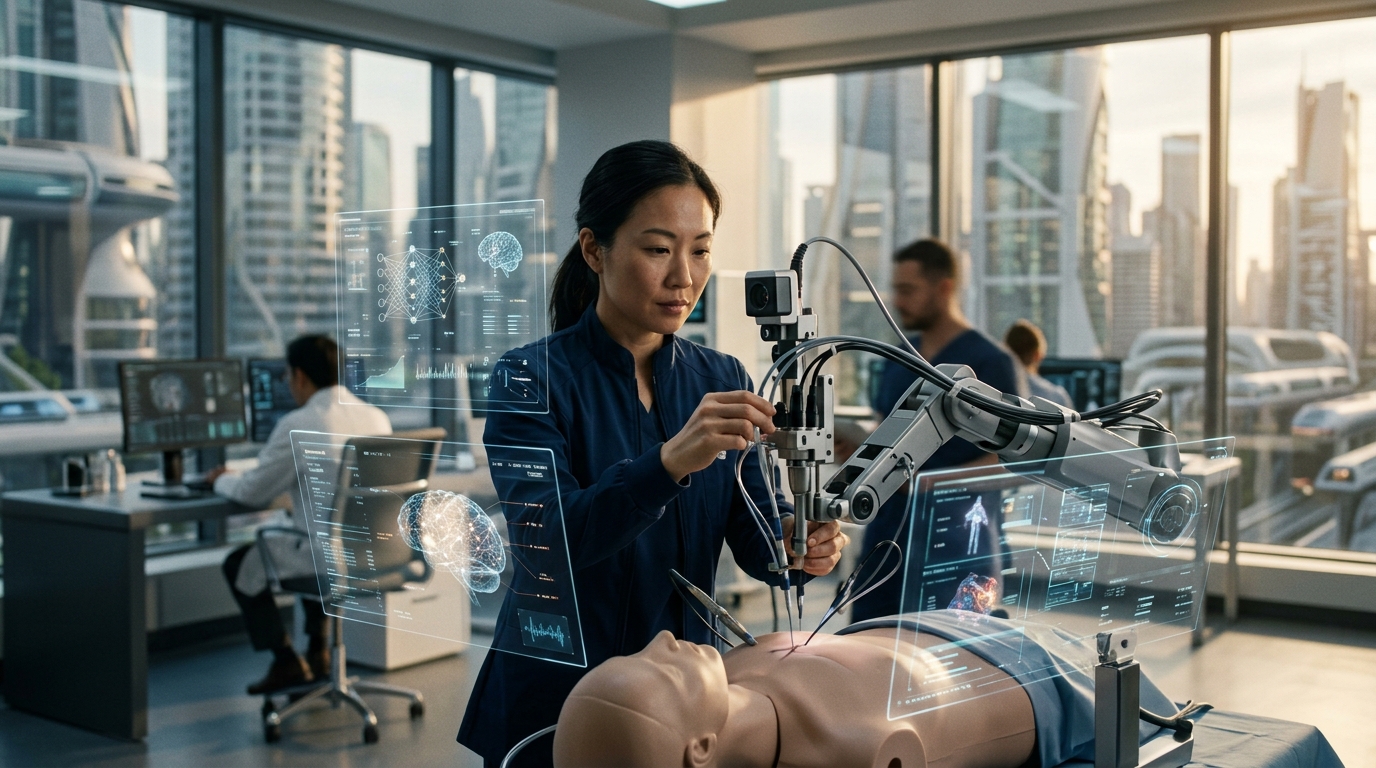
The medical field is experiencing perhaps the most spectacular transformation. Radiologists and pathologists see AI systems analyzing thousands of images in seconds, identifying anomalies that the human eye might overlook. However, this does not signify the end of the doctor. On the contrary, their role is shifting from technical analysis to interpretation and human contact.
- Diagnostic Accuracy: AI models now boast success rates nearing 99% in early cancer detection.
- Personalized Medicine: AI-driven genomic analysis allows for "tailor-made" treatments for each patient.
"Technology gives us the time to become doctors again, to look the patient in the eye rather than at the screen," notes a leading oncologist.
Legal Science in the Age of Algorithms
Lawyers, especially junior associates, are seeing their daily lives change drastically. The research of tens of thousands of documents (due diligence), contract drafting, and predicting judicial outcomes based on precedents are now handled by specialized LLMs. The challenge here lies in ethical and strategic thinking. AI can draft a contract, but it cannot understand the subtle balances of a negotiation or the ethical implications of a legal strategy.
Finance and Data Analysis
Accountants and financial analysts are on the front lines. The automation of bookkeeping and tax compliance is now universal. The professional's added value has shifted toward advisory roles. Businesses no longer need someone to record expenses, but someone to interpret AI market forecasts and propose strategic growth moves. The ability to manage risk in a volatile global environment remains a deeply human skill.
Creative Industries and Media
From graphic designers to copywriters, the fear of Generative AI was once intense. Today, we see the birth of the "Curator." AI produces drafts, images, and code, but the human is the one who provides the soul, the style, and the final approval. Creativity isn't dying; it's being democratized, allowing those with ideas—but perhaps lacking technical skills—to bring them to life.
Education: The Teacher as Mentor
Finally, the education sector is being radically reshaped. With AI offering personalized learning for every student, the traditional role of a teacher lecturing to 30 people is fading. The educator of 2026 is a mentor, a guide helping students develop critical thinking, emotional intelligence, and the ability to ask the right questions to AI systems. Learning is becoming an interactive experience where technology handles memorization and humans handle understanding.
Conclusion: Adaptation as Survival
This transition will not be painless. It requires a radical overhaul of our educational systems and social safety nets. However, history has shown that every technological revolution, while eliminating certain jobs, creates new needs. The key to the future is not rivalry with the machine, but harmonious collaboration. "Hybrid work" is now the norm, and those who embrace this change will be the leaders of the new era.