In the labyrinth of the modern corporate hierarchy, there is a position many covet for its status and salary, yet those who attain it often find themselves looking for the nearest exit. This is the role of the middle manager—the organizational 'shock absorber' tasked with translating high-level leadership strategy into tangible results while simultaneously managing the daily anxieties and grievances of the workforce. It is a job that requires nerves of steel, diplomacy, and an almost supernatural ability to take fire from two directions at once.
The 'Sandwich' Phenomenon and the Power Vacuum
The core issue with this role is not the workload itself, but its structural contradiction: responsibility without authority. Middle managers are held accountable for achieving goals they didn't set, using resources they often don't control. According to recent management studies, 40% of middle managers report feeling burnt out on a weekly basis—a rate significantly higher than that of C-suite executives or front-line employees.
Their daily reality is a constant struggle of mediation. On one side, senior management demands increased productivity and cost-cutting. On the other, their teams ask for flexibility, better conditions, and recognition. The middle manager ends up being the scapegoat for every failure and the invisible contributor to every success. This 'sandwich' effect creates a profound sense of isolation. They belong fully neither to the decision-making elite nor to the workforce that executes the mission.
The AI Invasion and Role Transformation
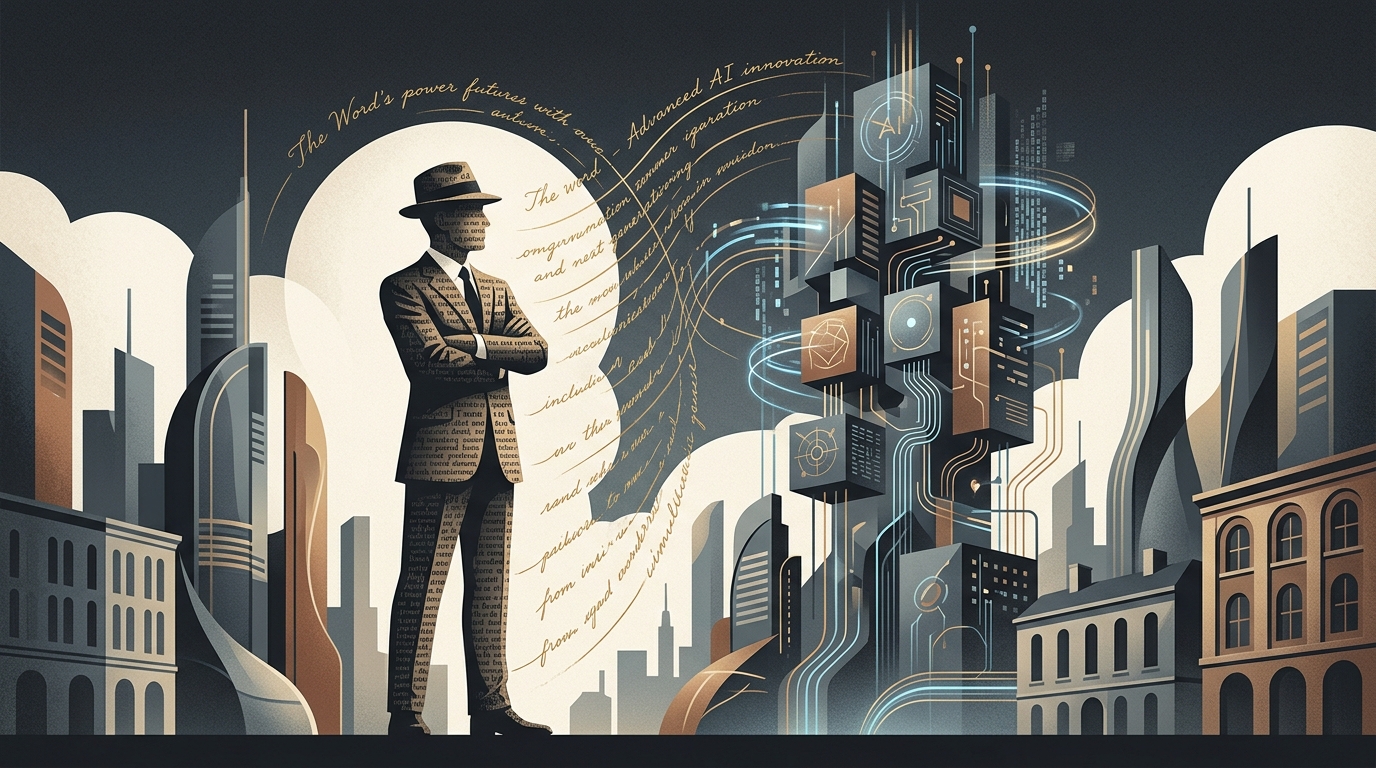
In the age of Artificial Intelligence, the middle manager's role is under even greater pressure. Traditionally, a large portion of their work involved data collection, report writing, and task scheduling—duties that algorithms now perform faster and more accurately. This is leading to an identity crisis. If AI can manage the workflow, what is the manager's raison d'être?
The answer lies in 'emotional labor.' As technical tasks become automated, managers are being asked to become psychologists, mentors, and conflict mediators. However, corporations rarely train their leaders for these soft skills. Instead, they burden them with more metrics and KPIs, ignoring the fact that managing people in a fluid environment is the most exhausting form of work. AI isn't replacing them; it's leaving them with the hardest part of the job: the human chaos.
The 'Golden Handcuffs' and the Cost of Turnover
Why do they stay? The answer is simple: the compensation. Middle management salaries are often high, creating what economists call 'golden handcuffs.' Their pay allows for a certain lifestyle, but the psychological price is disproportionate. We are seeing a wave of 'quiet quitting' not just from employees, but from managers themselves, who perform the bare minimum while desperately seeking an exit toward independent consulting or entrepreneurship.
The loss of these individuals is catastrophic for companies. When an experienced middle manager leaves, they take with them institutional memory, established trust within the team, and the ability to 'translate' vision into action. Replacing them is expensive and time-consuming, and the resulting instability can derail entire departments for months.
Toward a New Management Model
For middle management to survive, businesses must redefine their structure. The traditional pyramid hierarchy is becoming obsolete, giving way to flatter organizations where the manager is not a controller but a facilitator. They need more autonomy, less bureaucracy, and, above all, recognition of the strategic importance of their role.
In conclusion, the 'miserable' job can become the most creative one if it is stripped of the burden of pointless accountability and given the power of meaningful influence. Until then, middle managers will continue to watch the clock—not waiting for the shift to end, but waiting for the moment they can leave the golden cage of corporate mediocrity behind.