The era of unbridled globalization appears to be yielding to a new, sterner reality where economics is no longer a standalone pursuit of profit, but a critical instrument of national security. In recent statements, Scott Bessent, founder of Key Square Group and a prominent economic advisor, argued forcefully that the United States had spent decades in a state of 'sleep' regarding the protection of its economic interests. According to Bessent, the policies introduced during the Trump administration served as the necessary wake-up call for a superpower that had neglected its industrial base and energy autonomy.
The Shift from Free Trade to Economic Sovereignty
For decades, the Washington Consensus was built on the premise that open markets and reduced tariffs would lead to global prosperity, thereby mitigating geopolitical risks. However, Bessent contends that this approach ignored the strategic ambitions of adversaries, most notably China. The deindustrialization of the American heartland, he argues, was not merely an economic side effect but a strategic failure that left the US vulnerable to supply chain disruptions and technological coercion.
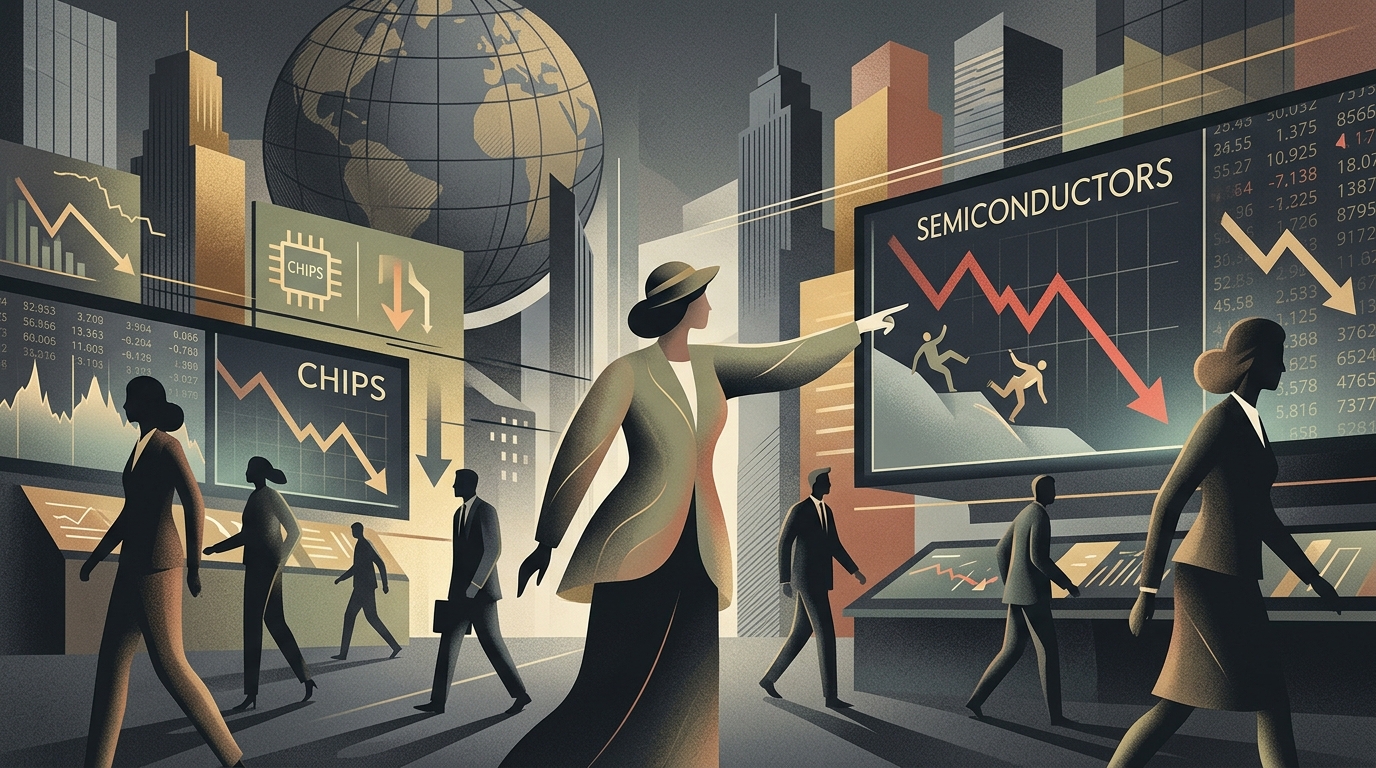
Bessent highlights that the Trump doctrine—centered on tariffs and 'reshoring' manufacturing—was not a transient eccentricity but a vital course correction. 'Economic security is national security' is the recurring theme in his analysis, suggesting that a nation's ability to produce its own essential goods, from semiconductors to pharmaceuticals, is now as vital as its military hardware.
Energy and Supply Chains: The New Fortresses
A central pillar of Bessent’s argument is energy independence. He maintains that the emphasis on domestic fossil fuel production and the deregulation of the energy sector provided the US with a massive comparative advantage. In a world where energy is frequently weaponized in geopolitical disputes, an abundance of cheap, domestic energy serves as a shield for American industry and a buffer for consumers against global volatility.
Furthermore, Bessent’s critique extends to how previous administrations handled foreign investment. He argues that America was overly permissive regarding the acquisition of critical infrastructure and technologies by foreign state-backed entities. The 'awakening' he describes includes more rigorous oversight via the Committee on Foreign Investment in the United States (CFIUS) and a more aggressive stance against intellectual property theft.
The Counter-Argument and the Risks of Protectionism
Despite Bessent's optimistic outlook on these policies, many economists warn of significant side effects. Protectionism, while shielding certain domestic industries, often leads to higher prices for consumers and retaliatory measures from trade partners. The risk of a protracted trade war could destabilize global markets and stifle the innovation that stems from international collaboration and the free flow of talent.
"This isn't about isolationism; it's about a new form of realistic engagement with the world," Bessent asserts.
The challenge for Washington, whether under Trump or any future leadership adopting these principles, will be balancing the need for security with the maintenance of economic dynamism. Bessent believes the market will adapt, provided there are clear rules of the road that incentivize domestic investment over reliance on unstable or hostile foreign sources.
The Future of the Global Economic Order
As we move further into the 2020s, the debate sparked by Bessent reflects a broader consensus forming on both sides of the Atlantic. Even the European Union, traditionally a staunch advocate for free trade, is beginning to embrace concepts like 'strategic autonomy.' Bessent’s analysis suggests that the era where the economy operated on a 'globalization autopilot' is definitively over.
In conclusion, Scott Bessent’s perspective provides a framework for understanding the current trajectory of American economic strategy. Whether one agrees with the methods employed by the Trump administration or not, it is increasingly difficult to deny that the paradigm has shifted. Economic security is no longer viewed as a luxury but as the very foundation upon which the future power of nations will be built.