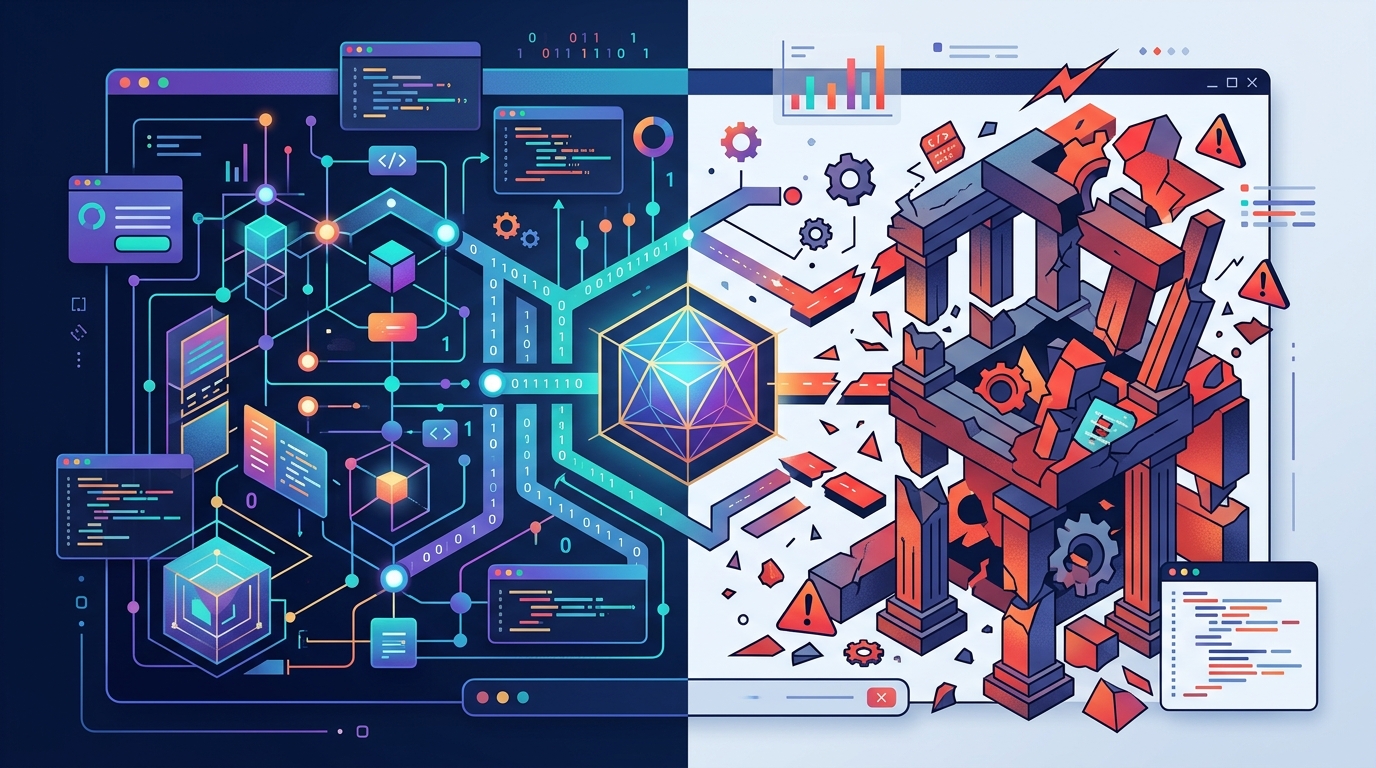
Since the dawn of computing, the relationship between humans and computers has been fundamentally asymmetrical. Developers, acting as a modern priesthood, built the digital temples within which the rest of us were forced to dwell. If an application lacked a feature we needed, or if its design was obtuse, our only choice was to adapt or give up. This "tyranny of off-the-shelf software" is nearing its end. The advent of Large Language Models (LLMs) and tools like Vibe Code and Replit Agent are transforming software creation from a specialized craft into an everyday act of expression.
The Shift from Consumption to Creation
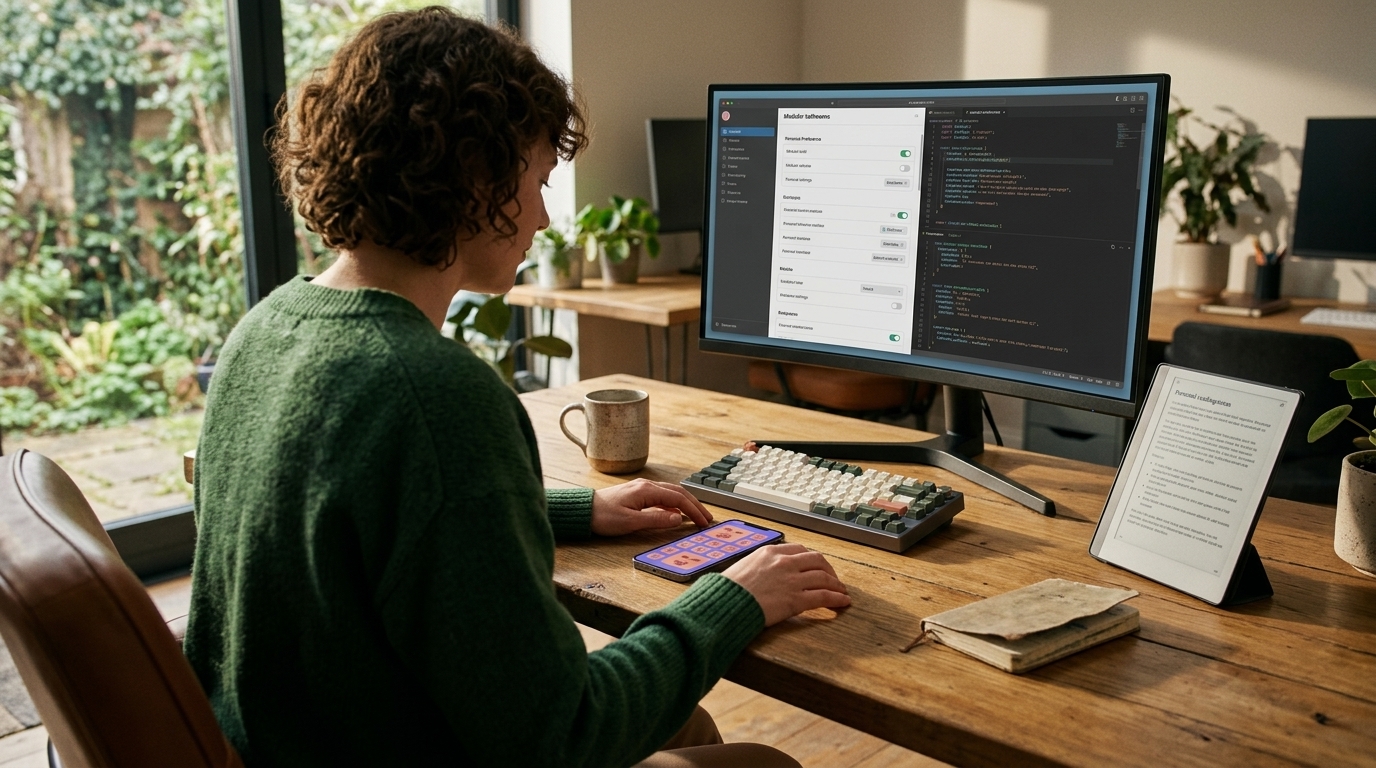
For the average user, software has always been a static product. We bought a license for Microsoft Word or subscribed to a SaaS (Software as a Service) platform and accepted its limitations. The revolution we are witnessing today is not just about automating code; it’s about the complete deconstruction of the concept of an "app." In the new paradigm, software becomes fluid. If you need a tool to organize your vacation expenses in a very specific way that no App Store offering provides, you can now simply "ask" an AI and have it ready in seconds.
This evolution mirrors the pre-mass production era, where objects were custom-made to fit the owner’s needs. The difference is that now the "craftsmanship" of code is executed by algorithms, making the cost of production nearly zero. Software ceases to be a monumental block of code that must be maintained for years and becomes something disposable—a "single-use app" that serves a purpose and can then be discarded or transformed.
Vibe Coding: The New Language of Programming
The term "Vibe Coding" might sound superficial, but it masks a profound technological shift. It describes a process where the human does not write lines of code but directs the aesthetics, logic, and flow of the application through natural language and continuous feedback. The user becomes the architect and curator, while the AI takes on the role of the contractor. This means the barrier to entry into the world of software creation is no longer knowing Python or Javascript, but the ability to clearly articulate a problem and a desired solution.
- Limitless Personalization: Every tool is tailor-made to the user's quirks.
- Speed of Implementation: From idea to app in minimal time.
- Decentralized Innovation: Creativity is no longer confined to Silicon Valley offices.
However, this freedom brings challenges. Data security in apps created "on the fly" is a critical issue. Who guarantees that the AI-generated code doesn't contain vulnerabilities? Furthermore, there is a risk of a new digital fragmentation, where everyone lives in their own isolated software ecosystem, potentially making collaboration and data exchange more difficult.
The Political and Social Dimension
The ability to make one's own software is an act of digital emancipation. For decades, Big Tech companies used software as a means of control and data extraction. When users can create their own tools locally, bypassing the walled gardens of App Stores, the power balance shifts. It is a return to the roots of the internet, where personal initiative and experimentation were the norm rather than the exception.
"Software is no longer a destination we go to, but a companion we build during our journey."
In the future, the distinction between "user" and "developer" will blur until it disappears. We will all be creators of our digital environments. The challenge for society will be to ensure that this new power is used to enhance human autonomy rather than creating new forms of digital chaos. The era of saying "there's an app for that" is ending. The new era says: "you can make an app for that."