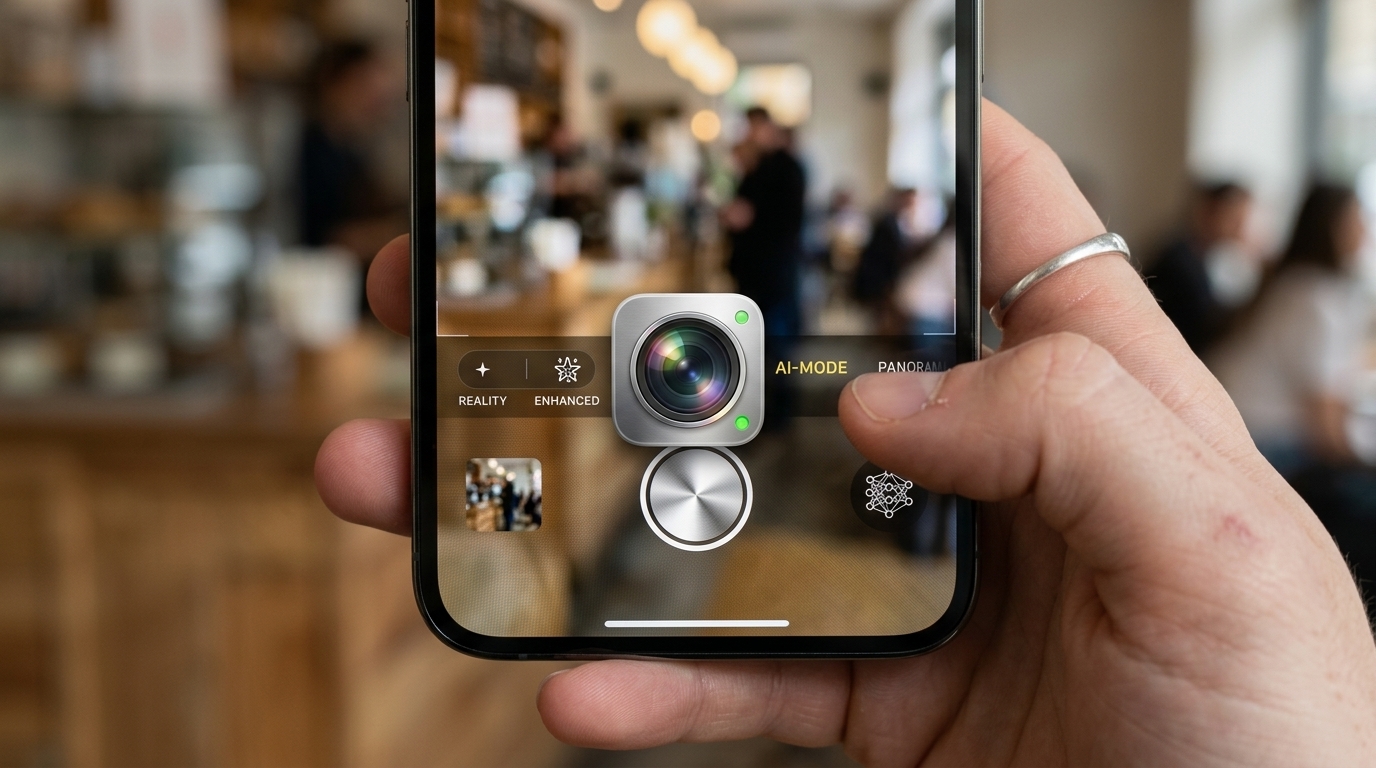
The era where users had to manually search for the information or app they needed is drawing to a close. With the latest update to the Android operating system, Google is shifting from reactive technology to proactive intelligence. The 'Contextual Suggestions' feature, powered by sophisticated machine learning algorithms, promises to transform the smartphone from a mere tool into a digital companion that anticipates your next move before you even think of it.
The Architecture of Anticipation
This new feature is far more than a simple list of recently used apps. It is a dynamic system that analyzes a vast array of data points: GPS location, time of day, connections to specific Wi-Fi networks or Bluetooth devices, and even the phone’s motion sensors. For instance, if the system detects you’ve plugged in your headphones while standing at a bus stop in the morning, it might automatically suggest your favorite Spotify playlist or the latest episode of a podcast you follow.
This approach echoes the legacy of 'Google Now,' but with a critical evolution: the power of Generative AI and the Gemini Nano model. Google is striving to create an 'ambient computing' experience, where technology recedes into the background and only surfaces when necessary, effectively reducing friction and digital fatigue.
Privacy vs. Proactivity: The Local Processing Edge
One of the most pressing questions raised by this level of automation is data privacy. How can a device know our habits so intimately without infringing on our personal space? Google asserts that the processing for 'Contextual Suggestions' happens entirely on-device via Android’s Private Compute Core. This means sensitive data regarding your location and activities is not uploaded to the company’s servers; instead, it remains encrypted within the phone's hardware.
However, the challenge remains. The line between helpfulness and surveillance is often thin. As Android learns to predict whether you’ll order takeout at 9 PM or start a workout at the gym, it constructs an incredibly detailed profile of human behavior. Public adoption of this technology will likely depend on whether the perceived convenience outweighs the inherent discomfort of being constantly 'monitored' by an algorithm.
Competitive Landscape and the Future of Interfaces
Google’s move does not exist in a vacuum. Apple, with its Apple Intelligence initiative, is also working to make Siri more context-aware and capable of understanding user intent within various apps. The ecosystem war has shifted: it is no longer about camera megapixels or processor speeds, but about which operating system can provide the most seamless and 'intuitive' user experience.
- Personalization: The device adapts to the human, rather than the human learning the device.
- Efficiency: Reducing the time spent digging through app drawers and menus.
- Integration: Enhanced synergy between disparate apps like Maps, Music, and Calendar.
In the near future, we can expect these suggestions to become even more sophisticated. Imagine your phone suggesting you send a 'running late' text to a contact because it detected traffic on your route, or automatically enabling 'Do Not Disturb' when you enter a conference room listed in your calendar. AI in Android is no longer a bolt-on feature; it is becoming the very backbone of the user experience.
"The best interface is the one you don't have to use, because it has already understood your intent," Google engineers often suggest. With this rollout, they are taking a decisive step toward that invisible future.