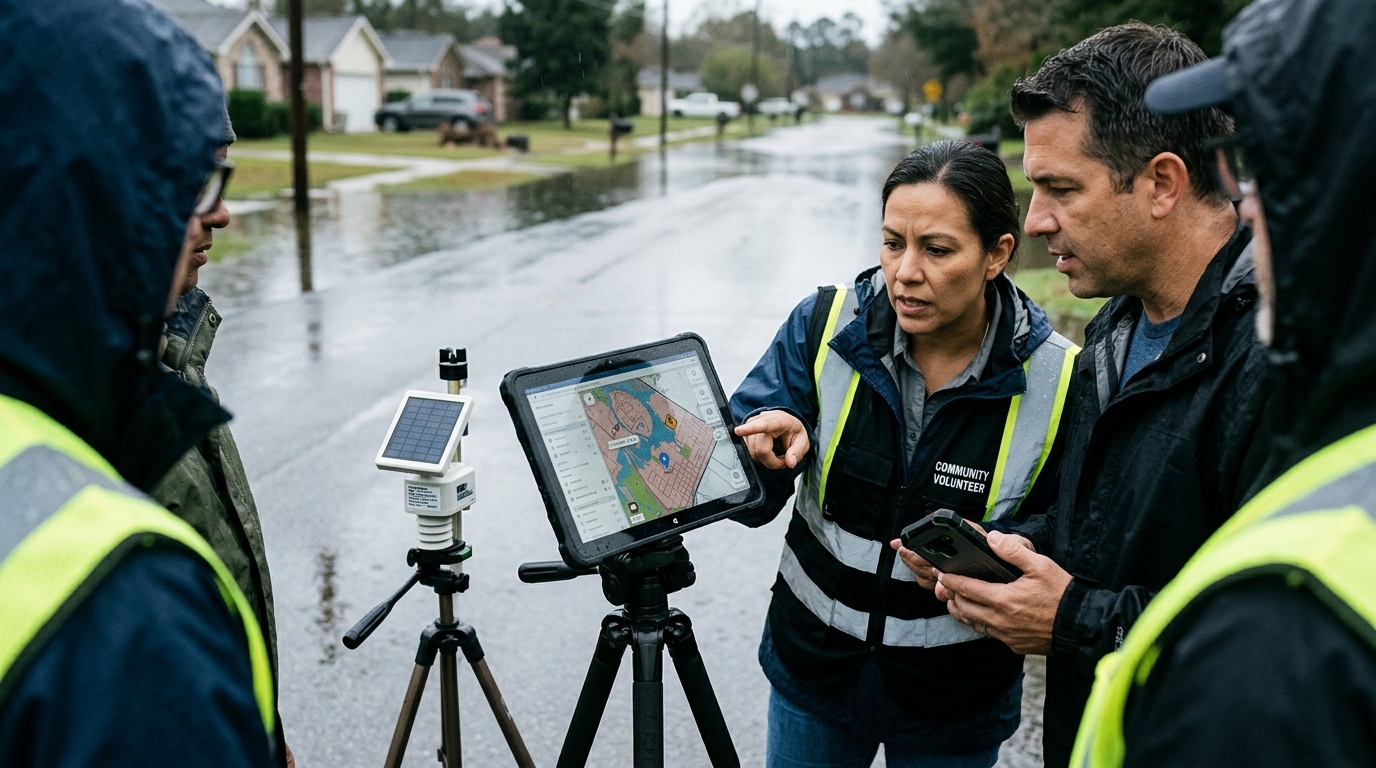
In a world where the climate crisis is no longer a distant threat but a daily reality, technology must evolve faster than the disasters it aims to manage. Watch Duty, the nonprofit app that has become an essential tool for millions of residents across the Western United States during wildfire seasons, has announced a significant strategic pivot: the integration of real-time flood alerts. This move is not merely a feature addition; it is a recognition of the profound interconnectedness between different types of natural disasters.
The Symbiosis of Fire and Water
To the casual observer, wildfires and floods might seem like opposite phenomena. However, in the ecology of disasters, they are often two sides of the same coin. When a wildfire destroys vegetation, the soil can become hydrophobic, losing its ability to absorb rainwater. The result is the creation of "burn scars," which can transform even moderate rainfall into deadly flash floods and debris flows. Watch Duty’s decision to add floods to its arsenal is rooted in this geological reality.
The app will leverage data from the US Geological Survey (USGS) and other federal agencies, but the key differentiator remains the same one that made Watch Duty successful with wildfires: human curation. While government apps often overwhelm users with automated alerts that may lack context, Watch Duty utilizes a team of experienced volunteers—often retired firefighters and dispatchers—who filter information, monitor emergency radio frequencies, and provide clear, actionable guidance to the public.
The Failure of Official Channels and the Rise of Citizen Tech
One of the most compelling aspects of Watch Duty’s rise is the contrast it provides to official government notification systems. In the US, the Wireless Emergency Alerts (WEA) system is often slow or overly broad, sending notifications to entire counties for risks that may only affect a few neighborhoods. This leads to "alert fatigue," where citizens begin to ignore the very messages meant to save their lives.
Watch Duty has managed to earn public trust by offering precision and speed. By adding flood monitoring, the app addresses the issue of seasonality. Until now, many users would download the app in the summer and delete it in the winter. Now, Watch Duty aims to be a year-round safety companion. The technology behind this expansion involves monitoring water-level gauges and analyzing topographical data in real-time, allowing users to see not just where it is raining, but where that water poses a structural threat to life and property.
Technical Challenges and Ethical Dilemmas
The transition from fire to water is not without its hurdles. Wildfires are visually detectable via satellites through thermal signatures and smoke plumes. Floods, however, can be more insidious, especially flash floods that occur within minutes of a heavy downpour. Integrating sensors that are often prone to maintenance issues or data transmission delays requires sophisticated algorithms to prevent false alarms and maintain the app's high standard of reliability.
Furthermore, there is the question of liability. When a private nonprofit app becomes the primary source of life-saving information, the burden of responsibility is immense. Watch Duty’s leadership emphasizes that the app is intended to supplement, not replace, official government services. However, reality on the ground suggests that many citizens now rely on it exclusively. This shift highlights a broader trend in Silicon Valley: the growth of "resilience tech," which focuses on adapting to climate change rather than just mitigating its long-term causes.
The Future: An All-Hazard Platform
Watch Duty’s vision does not end with floods. The ultimate goal is the creation of an "all-hazard" platform. In the future, we could see alerts for earthquakes, tsunamis, or severe winter storms. Climate change is making weather patterns increasingly unpredictable and extreme events more frequent, creating a massive demand for reliable, hyper-local information.
In an era where trust in public institutions is wavering, the Watch Duty model—combining open data, volunteer expertise, and cutting-edge software—provides a roadmap for how communities can protect themselves. The expansion into flood monitoring is the first step in transforming a niche tool into a critical piece of 21st-century infrastructure. As the boundaries between disaster seasons blur, the need for a unified, trustworthy source of information has never been more urgent.