The era when cell towers were merely "passive repeaters" of signals is coming to an end. In a strategic move that is reshaping the telecommunications landscape, T-Mobile has announced the integration of Artificial Intelligence (AI) capabilities directly into its tower infrastructure. This development, known as Edge Computing, aims to provide the necessary computational power for the real-time operation of autonomous robots and drones, eliminating the delays caused by transferring data to distant cloud data centers.
The Edge AI Revolution
The primary challenge for autonomous systems today is not internet speed, but latency. When a drone flies in a densely populated urban environment or a robot works in a warehouse, every millisecond is critical. Traditional architecture requires the robot to send sensor data to the cloud, wait for it to be processed by a remote server, and then receive the action command. This round-trip can take long enough to cause an accident.
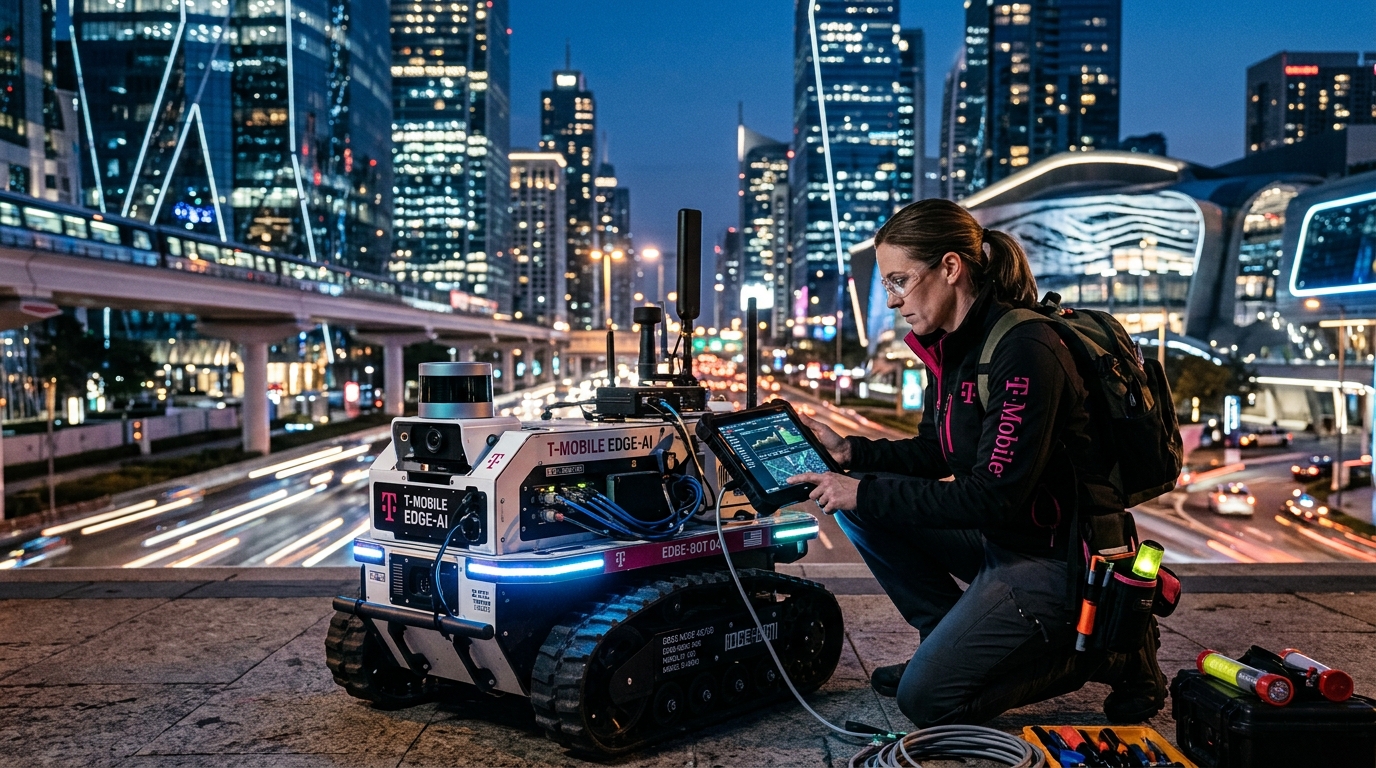
By placing AI processors (often in partnership with giants like NVIDIA) directly at the base of 5G towers, T-Mobile is transforming its network into a "distributed brain." Data processing now happens within a few miles—or even meters—of the device. This allows drones to make obstacle avoidance decisions almost instantaneously, utilizing the network's computing power instead of relying solely on their own limited batteries and processors.
Drones, Robots, and the New Industrial Reality
The applications of this technology extend far beyond simple package deliveries. In public safety, AI-equipped drones can patrol areas and automatically identify fire outbreaks or emergency situations, transmitting real-time analytics to authorities. In agriculture, autonomous vehicles can scan crops for diseases with centimeter precision, processing massive volumes of visual data through the nearest tower.
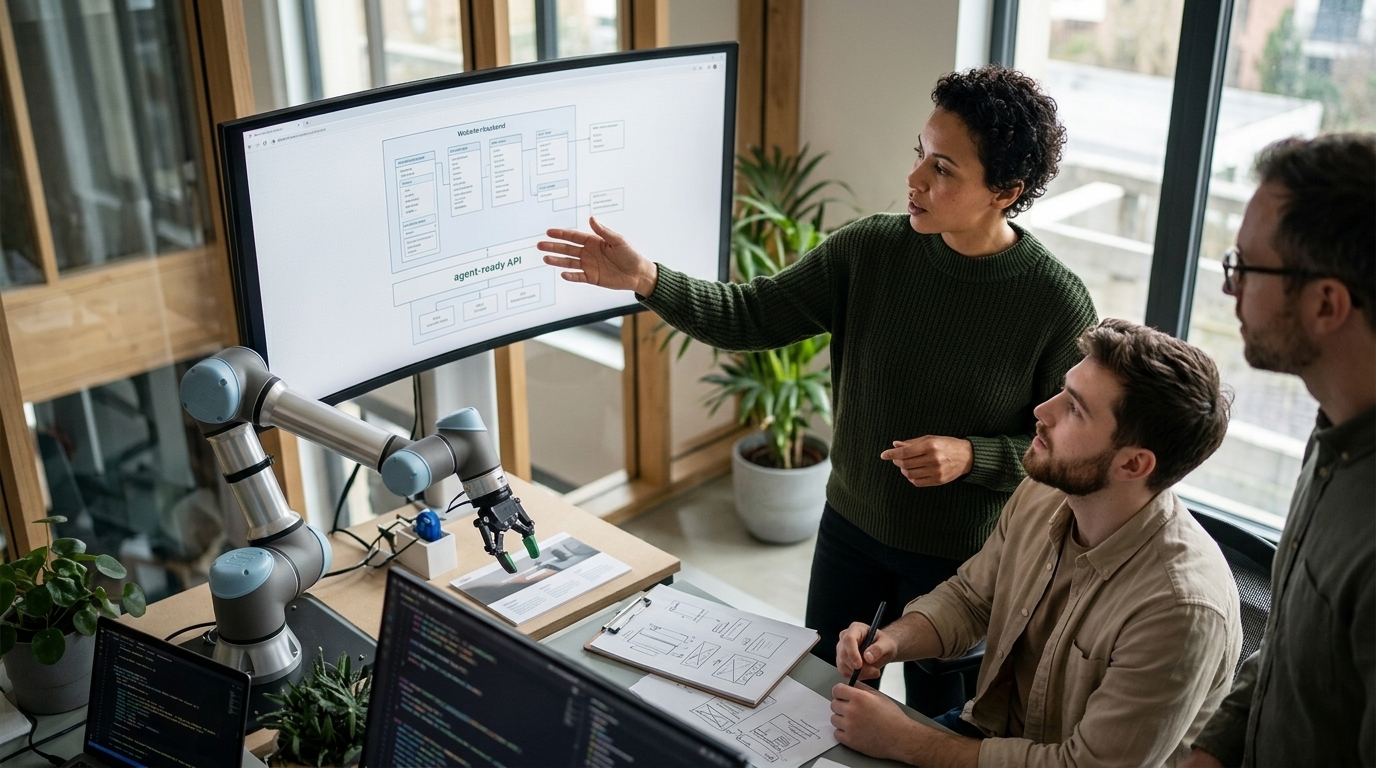
- Autonomous Logistics: Robots communicating with each other via the network to coordinate movements in ports and warehouses.
- Smart Cities: Real-time traffic management with AI analyzing data from cameras and road sensors directly at the network's edge.
- Remote Medicine: Support for surgical robots requiring zero latency for patient safety.
T-Mobile no longer views itself as a simple connectivity provider, but as an infrastructure platform for the Fourth Industrial Revolution. This move is also a response to growing competition from satellite networks like Starlink, which, while offering ubiquitous coverage, struggle to reach the ultra-low latency levels provided by a terrestrial 5G network with integrated AI.
Challenges and Ethical Questions
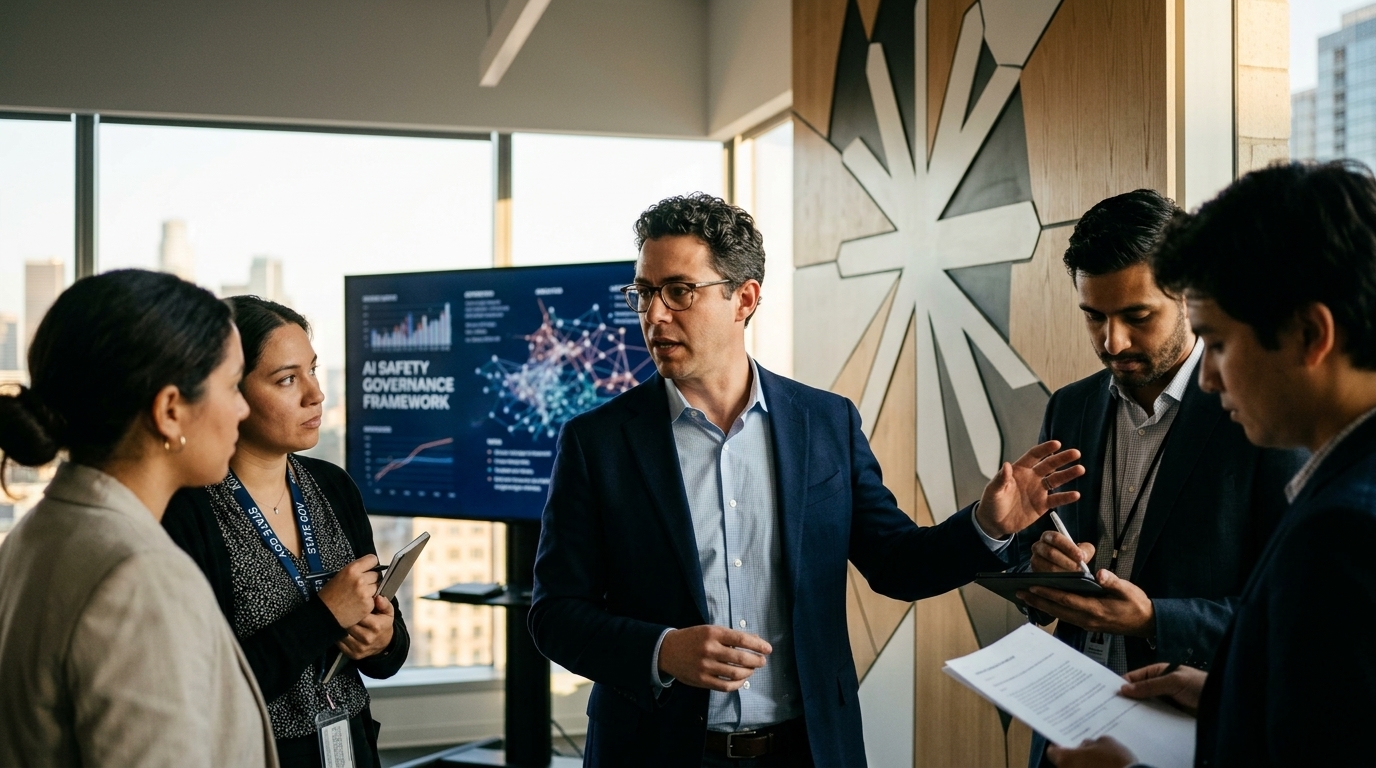
Despite the technological promises, installing AI in every tower raises serious questions about privacy and data security. When image and sound processing occur at the network infrastructure level, who owns that data? The ability of towers to "recognize" and "analyze" their environment in real-time could easily be transformed into a tool for mass surveillance if strict regulatory frameworks are not established.
"Transforming the network into a living computer is the logical next step, but we must ensure that this intelligence serves the user and not just corporate profitability or state control," industry analysts note.
In conclusion, T-Mobile’s initiative marks the transition from the "Internet of Things" to the "Intelligence of Things." Cell towers will no longer just carry our voices; they will be the backbone of a society where artificial intelligence is as ubiquitous as our mobile signal.