As we move through mid-2026, the global scientific community is on high alert. The latest analyses of meteorological models, bolstered by advanced artificial intelligence algorithms, indicate the return of the El Niño phenomenon, and in its most potent form, known as a "Super El Niño." This phenomenon, characterized by an abnormal increase in sea surface temperatures in the central and eastern Pacific Ocean, is not merely a meteorological event; it is a catalyst reshaping the global economy, social stability, and environmental balance.
The Nature of the Phenomenon and Scientific Forecasting
El Niño represents the warm phase of the El Niño-Southern Oscillation (ENSO). While it occurs periodically every two to seven years, its intensity varies. A "Super El Niño" is defined when the temperature anomaly exceeds 2 degrees Celsius above the average for a prolonged period. According to data from Bloomberg and the World Meteorological Organization, the probability of such a phenomenon forming by late July is now exceptionally high, reaching 80%.
The scientific community is concerned because this phenomenon is superimposed on an atmosphere already burdened by climate change. The synergy between anthropogenic global warming and the natural variability of El Niño could lead to record-breaking temperatures, surpassing any previous historical high. This means that 2026 and 2027 may be recorded as the warmest years in human history.
Geopolitical and Economic Disruptions
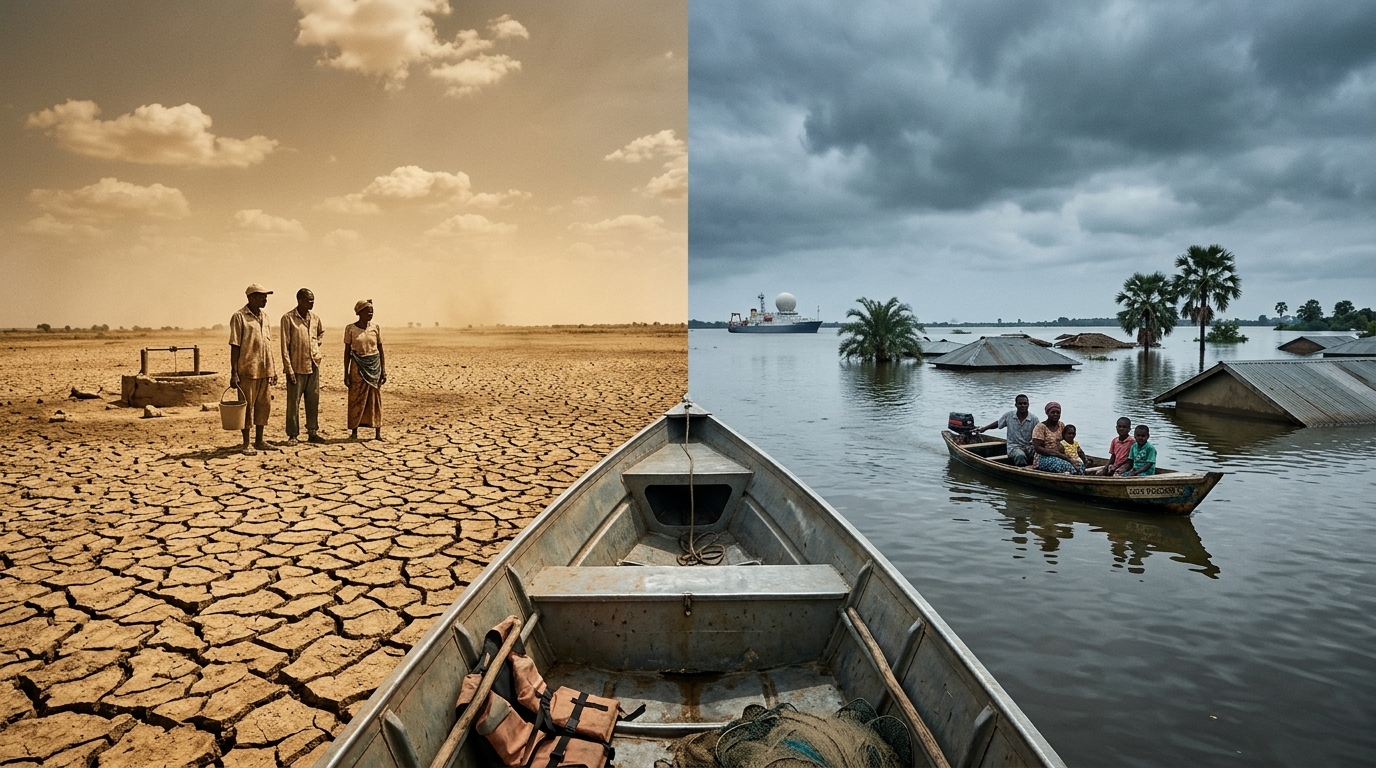
The impacts of a Super El Niño are geographically asymmetrical but universally felt. In Southeast Asia and Australia, the phenomenon is traditionally linked to severe droughts and devastating wildfires. The production of rice, palm oil, and sugar is expected to be severely affected, leading to a rise in global food prices. Conversely, on the coasts of South America (Peru, Ecuador) and in the southern United States, torrential rains and flooding are expected, destroying infrastructure and crops such as coffee and corn.
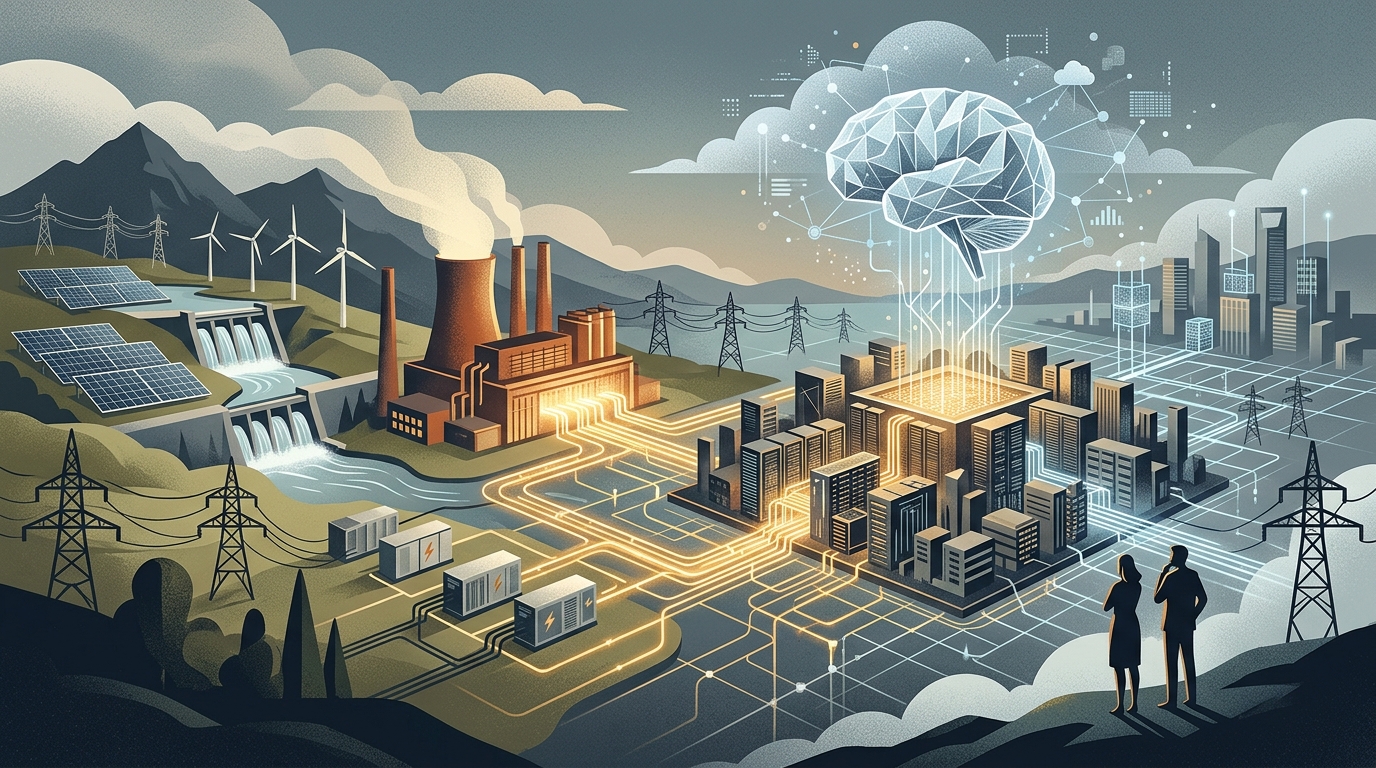
From an economic perspective, the impact is daunting. Insurance companies are bracing for billions in claims, while energy markets will face significant pressure. Hydroelectric production in countries like Brazil and Canada may decrease due to water scarcity, forcing governments to turn to more expensive or polluting energy sources. This creates a vicious cycle of inflation, which economists term "climateflation."
- Food Security: Reduced production of basic commodities threatens stability in developing nations.
- Energy Costs: Rainfall variability directly affects power generation capacity.
- Migration: The destruction of rural livelihoods leads to new waves of internal and external migration.
Artificial Intelligence in the Service of Prevention
In this somber landscape, technology offers a glimmer of hope. The use of Artificial Intelligence in climate forecasting has made leaps in the last two years. Models such as Google DeepMind's GraphCast and ECMWF's algorithms now allow scientists to predict the onset of El Niño with greater precision and much earlier than traditional numerical models.
This "early warning" is critical. It allows governments to adjust water resource management, farmers to choose more resilient crops, and humanitarian organizations to prepare food stockpiles. However, prediction alone is not enough. Political will is required to implement adaptation strategies that will protect the most vulnerable populations from the coming natural disasters.
"El Niño is no longer an isolated natural phenomenon, but a power multiplier for the crises we already face," states a senior UN official.
Conclusions and Future Challenges
The Super El Niño of 2026 serves as a reminder of the fragility of the global system. The interconnection of climate phenomena with global supply chains means that a drought in Australia can increase the cost of living in Europe. Addressing this challenge requires a new approach to international cooperation, where technological progress and environmental justice go hand in hand. Humanity is called upon to prove whether it can use its knowledge to prevent disaster or whether it will remain a mere spectator to the power of nature.