In an era where Artificial Intelligence (AI) can write code, analyze vast datasets, and draft legal documents in seconds, the labor market is undergoing a paradoxical transformation. While for decades the emphasis was placed exclusively on STEM skills (Science, Technology, Engineering, Mathematics), today top global employers are rediscovering the value of "human skills" (soft skills). An employee's ability to communicate effectively, demonstrate empathy, and resolve complex ethical dilemmas is emerging as the ultimate competitive advantage.
The Automation of Hard Skills
The rapid evolution of Large Language Models (LLMs) has lowered the "barrier to entry" for many technical specialties. A programmer today does not need to memorize every function, as AI can suggest solutions in real-time. This means that purely technical knowledge now has a shorter "shelf life." According to recent market analyses, the half-life of a technical skill has shrunk to just five years. What remains constant, however, is the human ability to ask the right questions, understand context, and connect technical capabilities with real human needs.
The Hybrid Professional: The New Standard
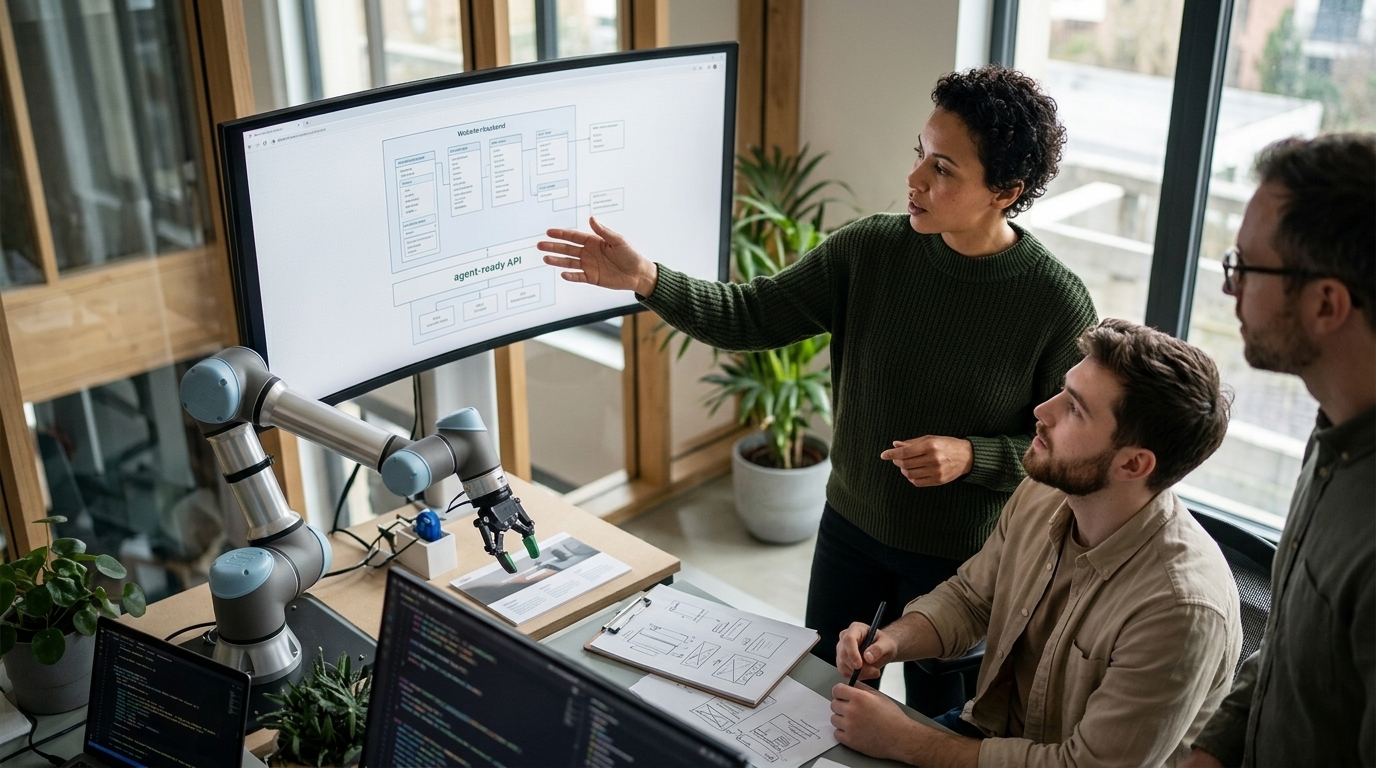
Modern businesses are no longer looking for "one-dimensional" specialists. They are seeking what analysts call the "hybrid worker." This professional can understand the architecture of an algorithm but simultaneously explain its implications to a client with a non-technical background. Critical thinking is key: in a world flooded with AI-generated content, the ability to distinguish truth from misinformation and substance from noise is invaluable.
- Emotional Intelligence (EQ): The ability to manage teams and understand the motivations of colleagues remains something that AI cannot authentically simulate.
- Ethical Judgment: As AI makes decisions that affect lives, people who can evaluate the ethical dimension of those decisions are essential.
- Adaptability: The ability to "learn how to learn" is now more important than the knowledge itself.
The Shift in Education and Corporate Culture
This paradigm shift is forcing educational institutions to revise their curricula. World-renowned universities are introducing philosophy and ethics courses into computer science departments, while businesses are investing in reskilling programs focused on leadership and creativity. Creativity, in particular, is considered the human's "last line of defense" against automation. Although AI can synthesize existing ideas, true innovation stemming from human experience and emotion remains unique.
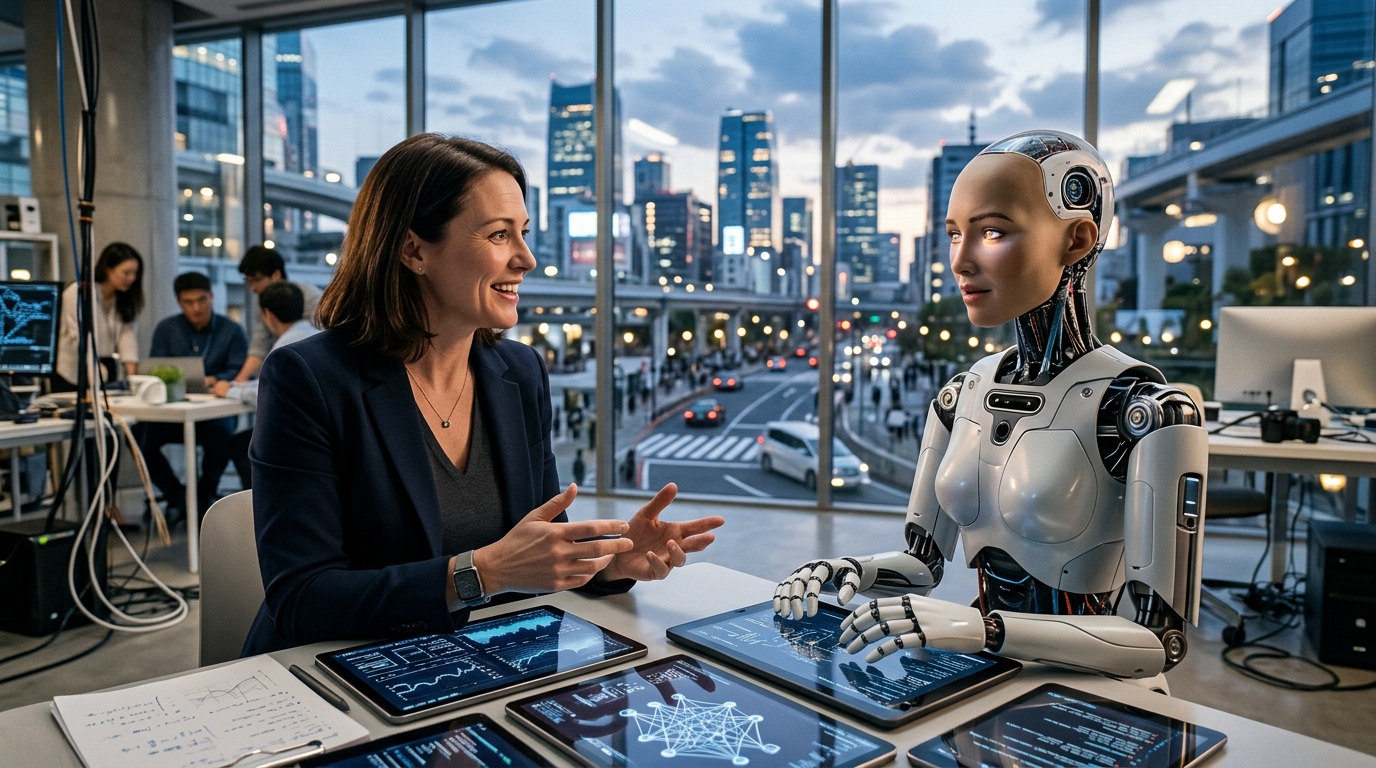
"The future of work is not about competing with machines, but about collaborating with them in a way that highlights our humanity," say human resources executives.
In conclusion, the rise of technology does not move us away from humanistic values; on the contrary, it makes them more necessary than ever. The labor market of 2026 and beyond will belong to those who can bridge the gap between code and soul, between data and meaning. Technical training is the ticket to enter the arena, but human skills are what will win the race.