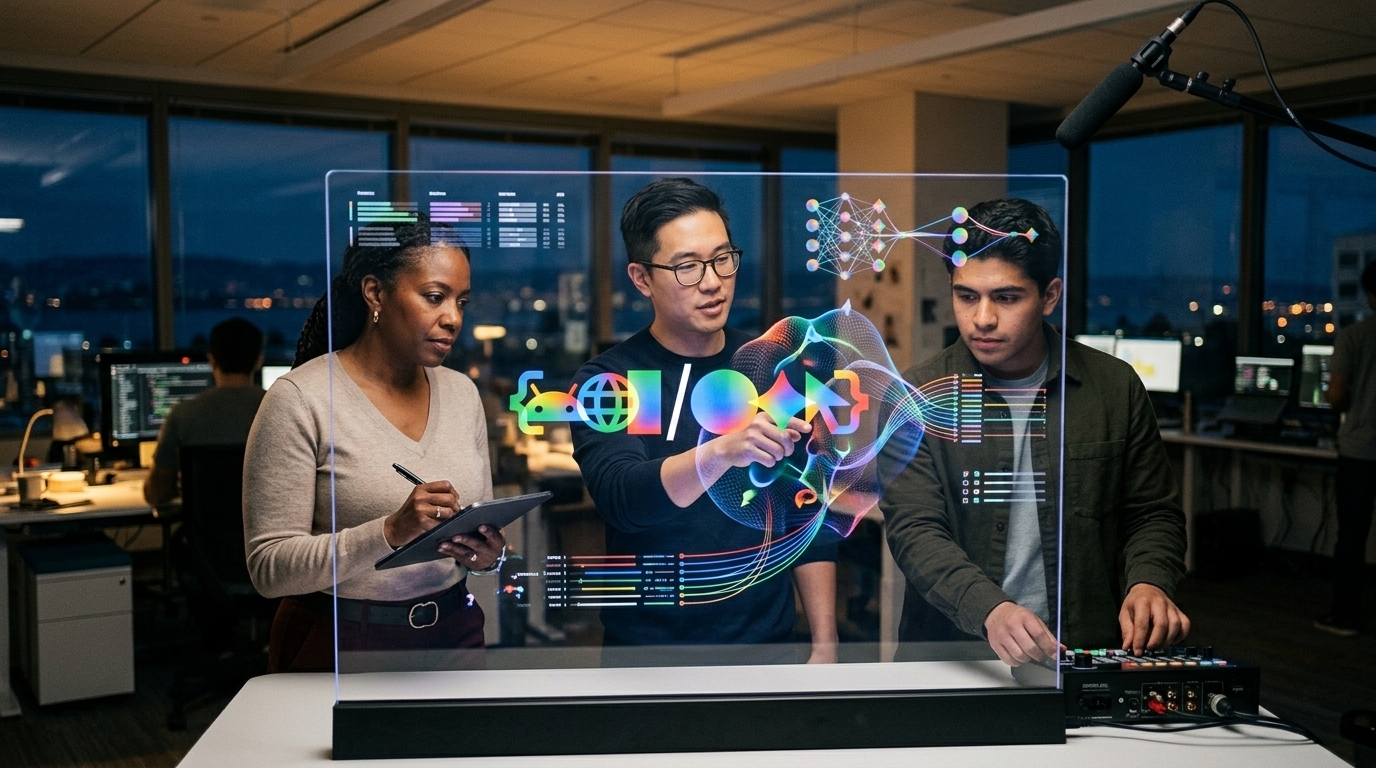
When Adam Smith published "The Wealth of Nations" in 1776, he described a market guided by an "invisible hand"—a spontaneous order where the pursuit of individual self-interest leads, almost miraculously, to the common good. Today, 250 years later, the United Nations University (UNU) proposes a radical reappraisal of this theory. In the age of Artificial Intelligence, the "invisible hand" is being replaced by the "digital hand": a visible, algorithmic, and highly centralized mechanism that is reshaping the global economy.
The Shift from Free Markets to Algorithmic Governance
The core thesis of the new UNU research is that AI is not merely a productivity tool but a new way of organizing social and economic activity. While the "invisible hand" relied on the dispersion of information through prices, the "digital hand" operates through the concentration of massive volumes of data within a few, omnipotent platforms. This shift alters the nature of competition. Prices are no longer shaped solely by supply and demand but by predictive algorithms capable of manipulating consumer behavior before a need even manifests.
The analysis points out that this evolution poses significant risks to democratic decision-making. When the allocation of resources—from jobs to credit and access to healthcare—is conducted via opaque algorithms, the concept of "free choice" is called into question. The UNU warns that without a new regulatory framework, the "Wealth of Nations" will devolve into the "Wealth of Data Owners."
The Digital Divide and the New Geopolitics of Wealth
One of the most concerning aspects of the report involves global inequality. In the traditional economy, developing nations could rely on low-cost industrialization to climb the development ladder. However, in the economy of the "digital hand," value shifts from physical labor to computational power and data ownership. This creates a new form of "digital feudalism," where countries lacking the infrastructure to train Large Language Models (LLMs) risk becoming mere exporters of raw data and importers of expensive AI services.
The UNU emphasizes the need for "digital sovereignty." Nation-states must invest in their own AI infrastructures and ensure that their citizens' data is not exploited by foreign tech giants. The challenge is immense, as the concentration of capital in the AI sector is unprecedented in the history of capitalism.
Towards a New Social Contract
The report concludes that the era of laissez-faire is over. The "digital hand" requires a "democratic glove." This means that governments should not just regulate technology but actively participate in designing it for the public good. The creation of international bodies to manage AI as a "global public good" is proposed, ensuring that the benefits of automation are shared equitably.
- Redefining Work: Transitioning from wage labor to a model that recognizes the value of creativity and care.
- Taxing Algorithmic Profits: Shifting the tax burden from labor to capital generated by AI.
- Transparency and Accountability: Algorithms affecting public life must be open to audit.
Ultimately, the question posed by the United Nations University is philosophical: Will we allow technology to dictate our values, or will we use technology to realize our values? The answer will determine the wealth—or the poverty—of nations in the 21st century.