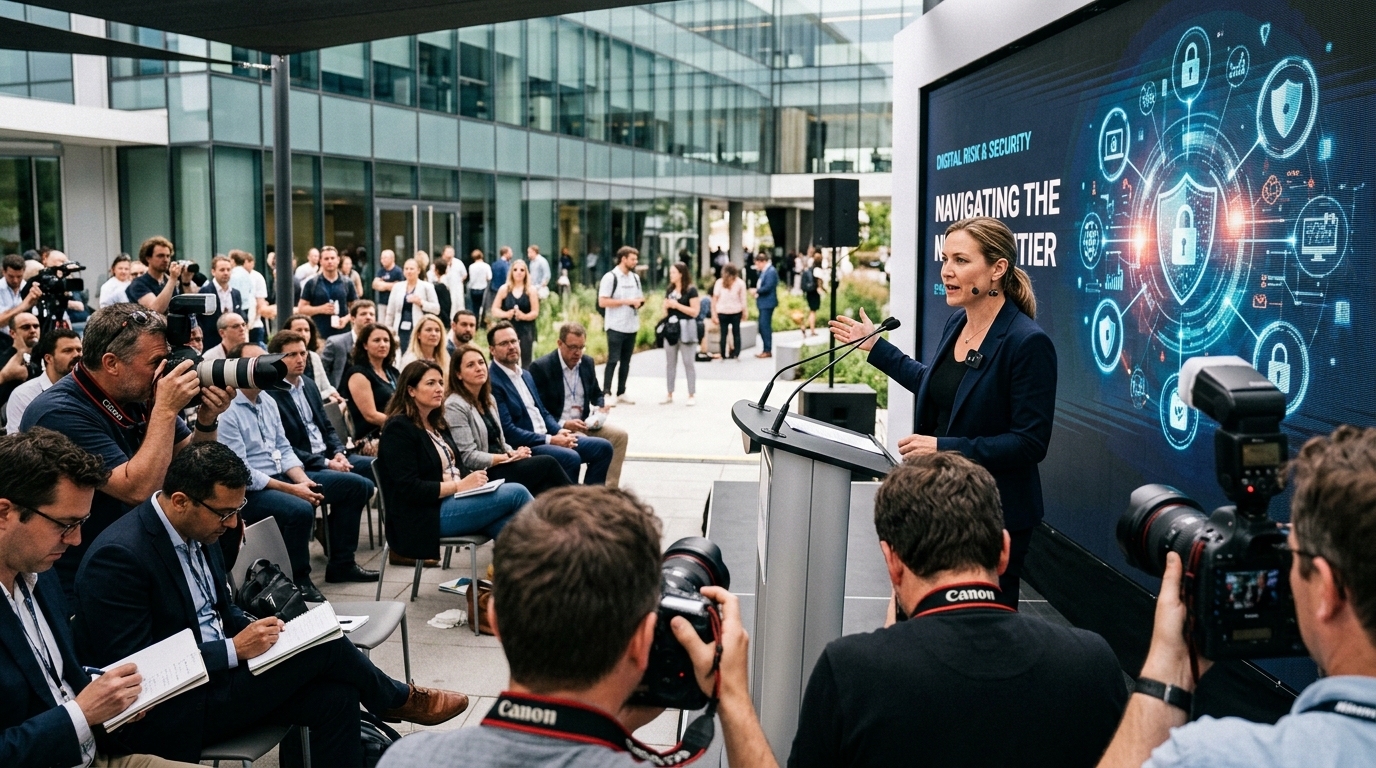
In a packed auditorium in Las Vegas, Dell Technologies World 2026 marked a historic turning point for the tech industry. Jensen Huang, CEO of NVIDIA, and Michael Dell, founder of Dell Technologies, shared the stage to declare the end of the era of "experimental" chatbots and the beginning of the era of "Useful AI," or Agentic AI. Their central thesis was clear: for the first time in history, AI is not just a conversationalist, but a digital agent capable of executing complex tasks with minimal human intervention.
From Conversation to Action: What is Agentic AI?
The fundamental shift highlighted by Jensen Huang concerns the transition from Large Language Models (LLMs) that merely generate text to "Agentic Systems." These systems do not wait for a prompt to respond; instead, they understand a goal, plan the implementation steps, utilize tools, and correct their errors during the process. "Until now, we had AI that impressed us with its knowledge. Now we have AI that does the work for us," Huang stated, drawing applause from the audience.
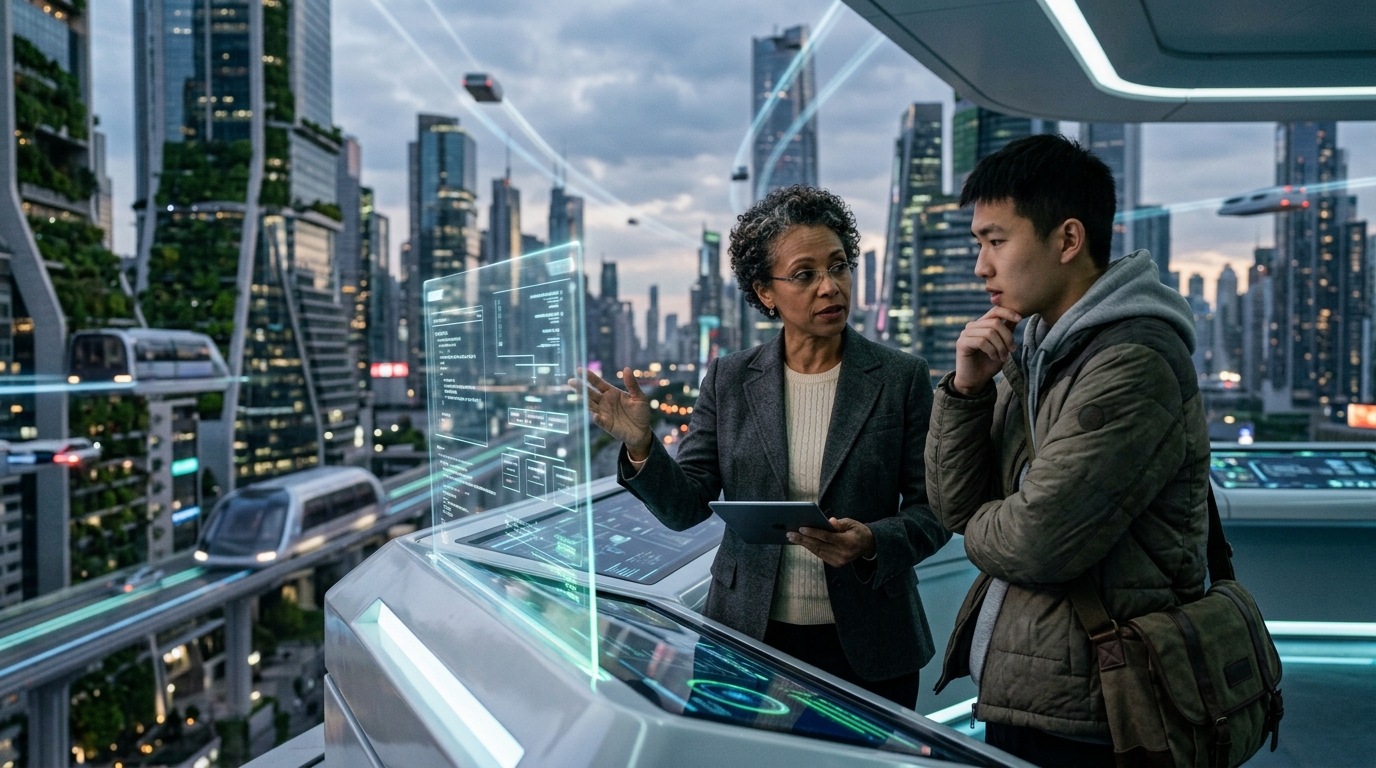
This new form of intelligence is based on the models' ability to perform multi-step reasoning. Instead of a simple next-token prediction, these agents can manage a company's supply chain, write and test code in real-time, or conduct scientific research, operating as autonomous entities within a business's digital ecosystem. The focus has shifted from 'generative'—making things—to 'agentic'—doing things.
The "AI Factory" and the Convergence of Hardware and Software
Michael Dell focused on the infrastructure required to support this revolution. The concept of the "AI Factory" was the central metaphor of his keynote. According to Dell, businesses must no longer view IT as a cost center but as a production line for intelligence. "Your data is the raw material, and Dell systems, powered by NVIDIA's Blackwell and Rubin architectures, are the engine that turns it into value," he explained.
The partnership between these two giants aims to simplify AI adoption for large enterprises. By integrating NVIDIA AI Enterprise software into Dell PowerEdge servers, companies can now deploy their own agents on-premise, ensuring data privacy—an issue that has been a major hurdle for public cloud AI adoption in previous years. This "turnkey" approach to AI factories is designed to bring industrial-scale intelligence to every boardroom.
Sovereign AI and the Geopolitics of Intelligence
Another significant aspect of the discussion was "Sovereign AI." Huang emphasized that every nation and every large corporation must own its own intelligence. "You cannot afford to let your intellectual property be turned into training data for someone else," he noted pointedly. This reflects a global trend where countries are investing in their own data centers to protect their national culture, security, and economy.
Dell and NVIDIA are positioning themselves as the primary suppliers of this new "national infrastructure." Their alliance is no longer just commercial but strategic, as they control the lion's share of the value chain in global computing power. Their dominance in 2026 appears undisputed, as hardware remains the bottleneck for technological advancement and geopolitical leverage.
Implications for the Labor Market and the Future
Despite the optimism regarding productivity gains, the discussion of Agentic AI inevitably raises questions about the future of work. If digital agents can perform tasks that until last year required teams of humans, what will be the role of the employee? Michael Dell argued that AI will augment human capabilities, allowing people to focus on strategy and high-level creativity. However, analysts point out that the speed of this transition could cause significant disruption in sectors such as customer service, data analysis, and software engineering.
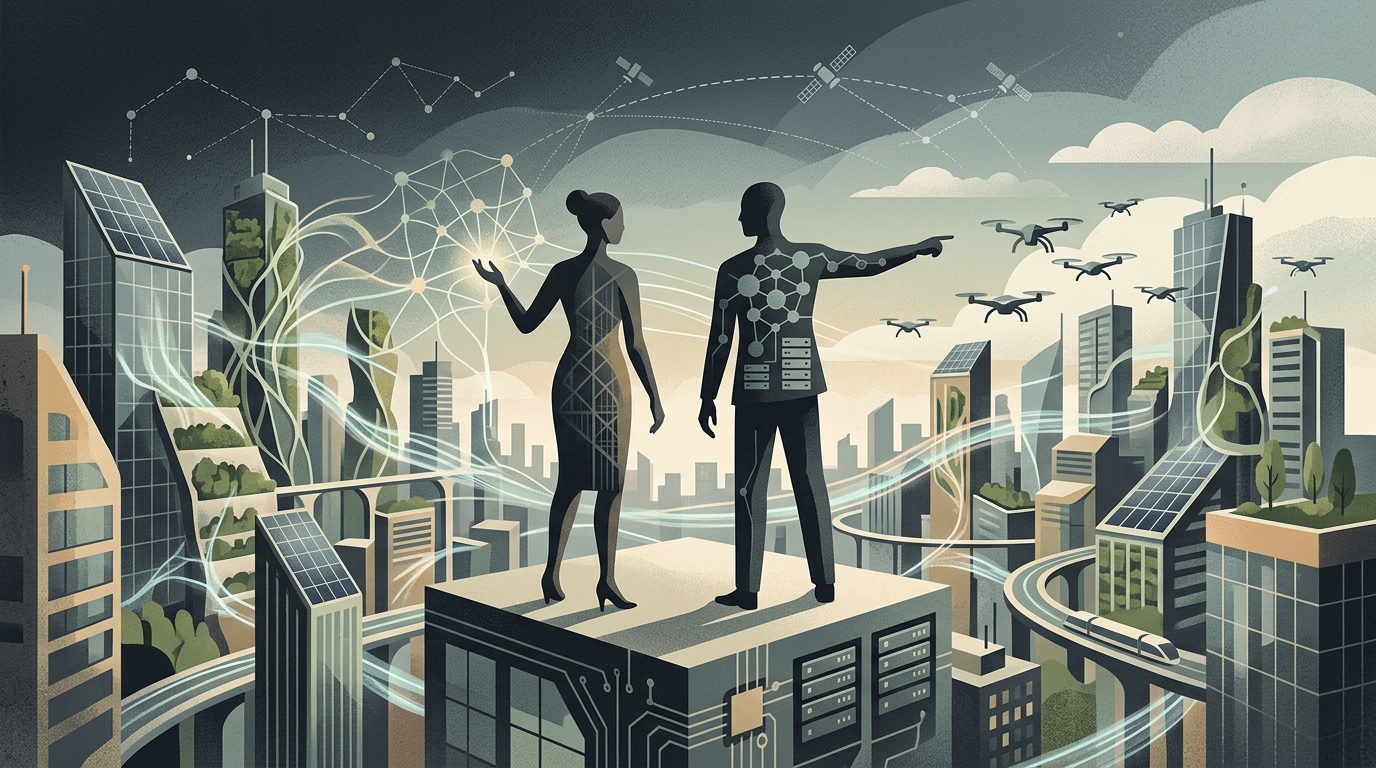
Concluding their talk, the two leaders agreed that we are at the dawn of a "new industrial age." AI is no longer a promise of the future; it is a tool that is here, it is useful, and most importantly, it is ready to take action. The shift from a tool you talk to, to a team member that acts, is the defining characteristic of the 2026 technological landscape.