The news sent shockwaves through the global tech community: Jeff Bezos, the man who transformed retail and cloud computing, is now turning his sights—and $12 billion of strategic capital—toward the convergence of Artificial Intelligence and the fundamental laws of physics. This is not just another investment in chatbots or digital assistants. It marks the dawn of 'Physical AI,' a technology that learns not just from text, but from gravity, thermodynamics, and material science.
The Transition from Digital to Physical Realms
For years, AI was largely confined to the realm of information. Large Language Models (LLMs) became exceptional at synthesizing words but remained 'blind' to the physical world. Bezos' investment aims to bridge this gap. By utilizing Physics-Informed Neural Networks (PINNs), the next generation of AI can simulate complex physical phenomena at speeds thousands of times faster than traditional computational methods.
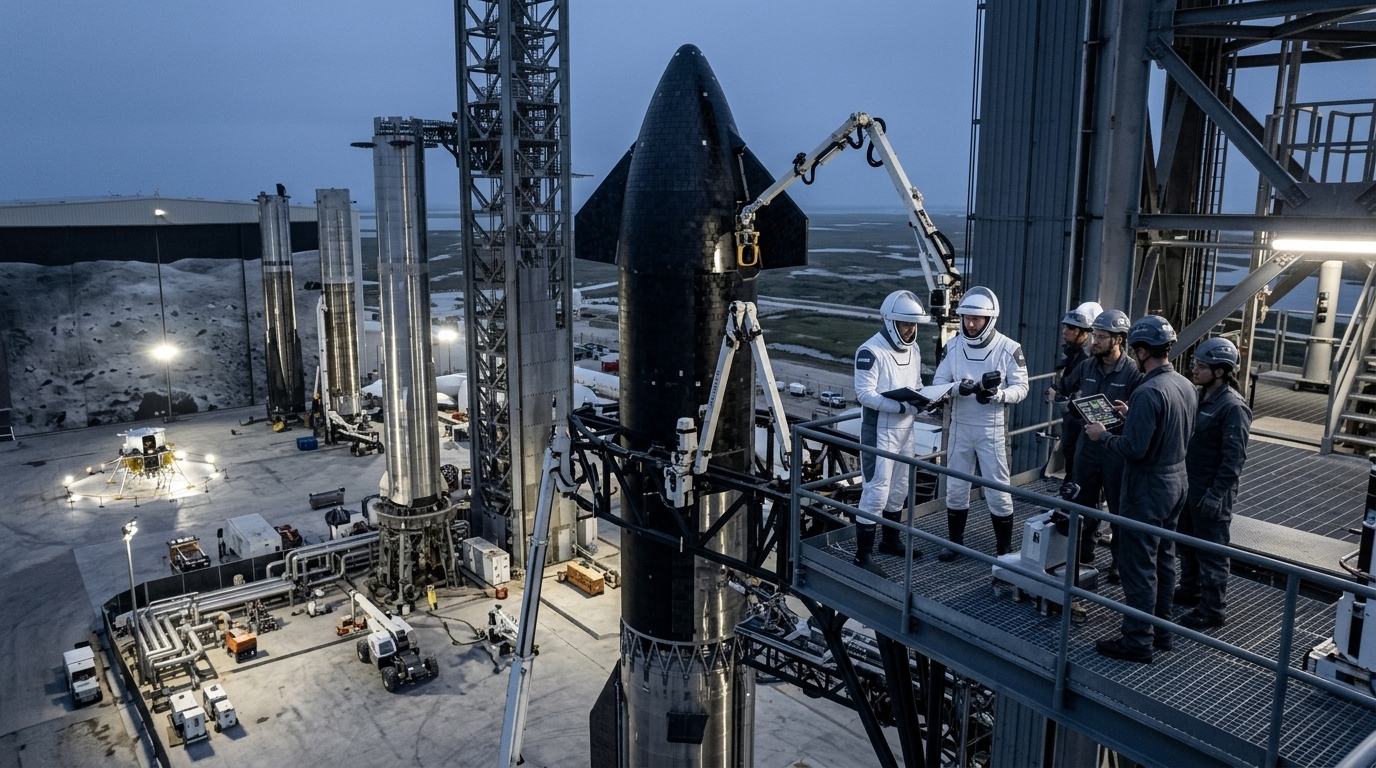
This means that designing a rocket engine for Blue Origin or a more efficient cooling system for Amazon's vast data centers will no longer require months of iterative testing and thousands of man-hours from specialized engineers. AI will be able to 'predict' material failure before a prototype is even built, grounded in a deep, mathematical understanding of the universe.
Displacing the 'Irreplaceable'
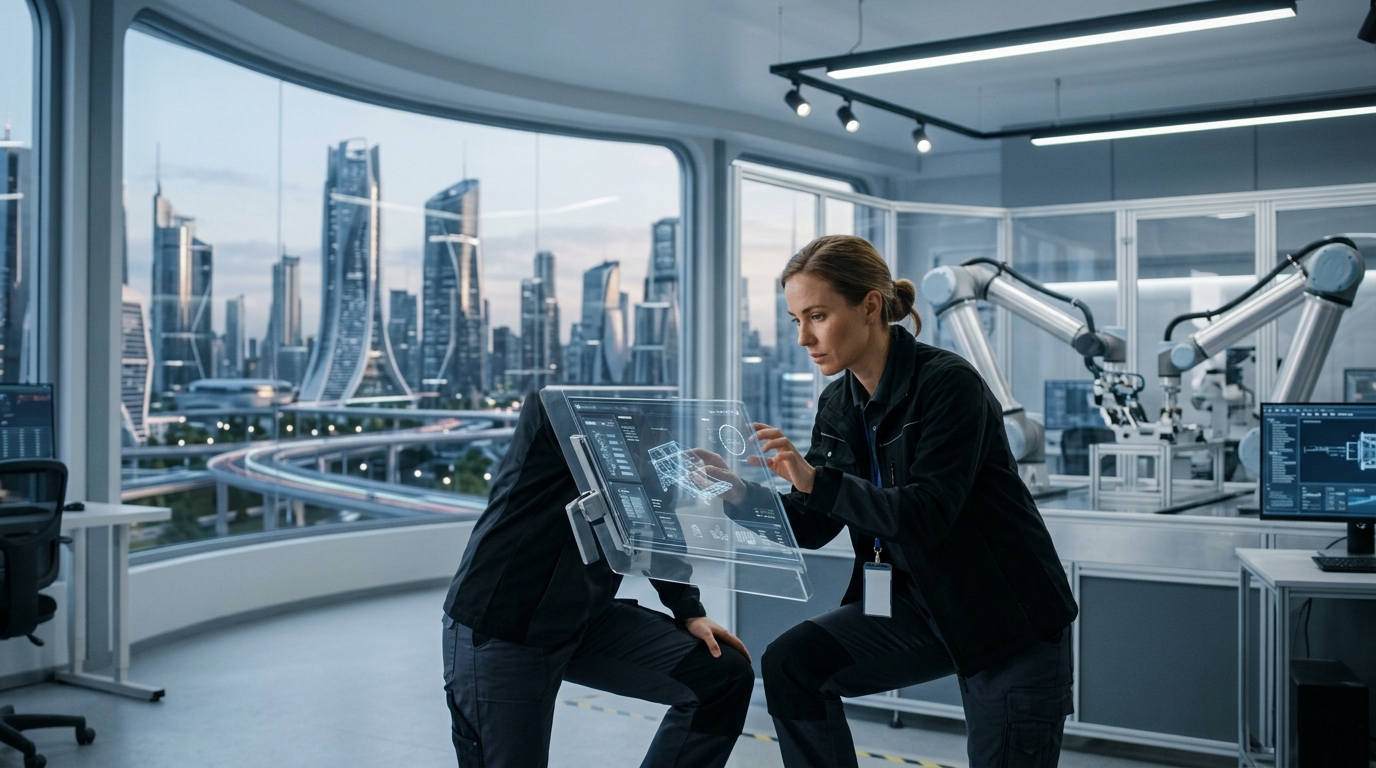
The most controversial aspect of this development is its focus on jobs previously considered immune to automation. High-skilled engineers—aerospace designers, structural engineers, materials scientists—are now in the crosshairs. The ability of AI to perform generative design means an algorithm can produce 10,000 different iterations of a component, test them all for stress and weight, and select the optimal design in seconds.
- Design Automation: AI is taking over the creation of complex geometries that the human mind can scarcely conceive.
- R&D Cost Reduction: Companies can bypass expensive physical testing labs, moving everything into high-fidelity virtual environments.
- Innovation Acceleration: Product development cycles that once took decades are being compressed into months.
However, this efficiency comes at a cost. The labor market for engineers may face a brutal contraction. If a single lead engineer, empowered by a robust Physical AI system, can do the work of a team of fifty, what happens to the other forty-nine?
Bezos' Strategy and Geopolitical Implications
This $12 billion bet is no coincidence. In the context of global competition, particularly with China, mastery over manufacturing and supply chains via AI is the new 'Holy Grail.' Bezos realizes that whoever controls the interface between software and physical matter will control the production of the future. From autonomous robots in warehouses to satellites in orbit, AI is becoming the ultimate architect.
"We are no longer in the era where AI simply recommends movies. We are in the era where AI builds our world," notes a leading industry analyst.
In this new landscape, engineering education must undergo a radical shift. The emphasis is moving from performing calculations to understanding systems and providing ethical oversight of algorithms. Knowledge of physics remains essential, but the engineer's toolkit in 2026 is now almost entirely digital and autonomous.