The Crisis of Global Harmonization
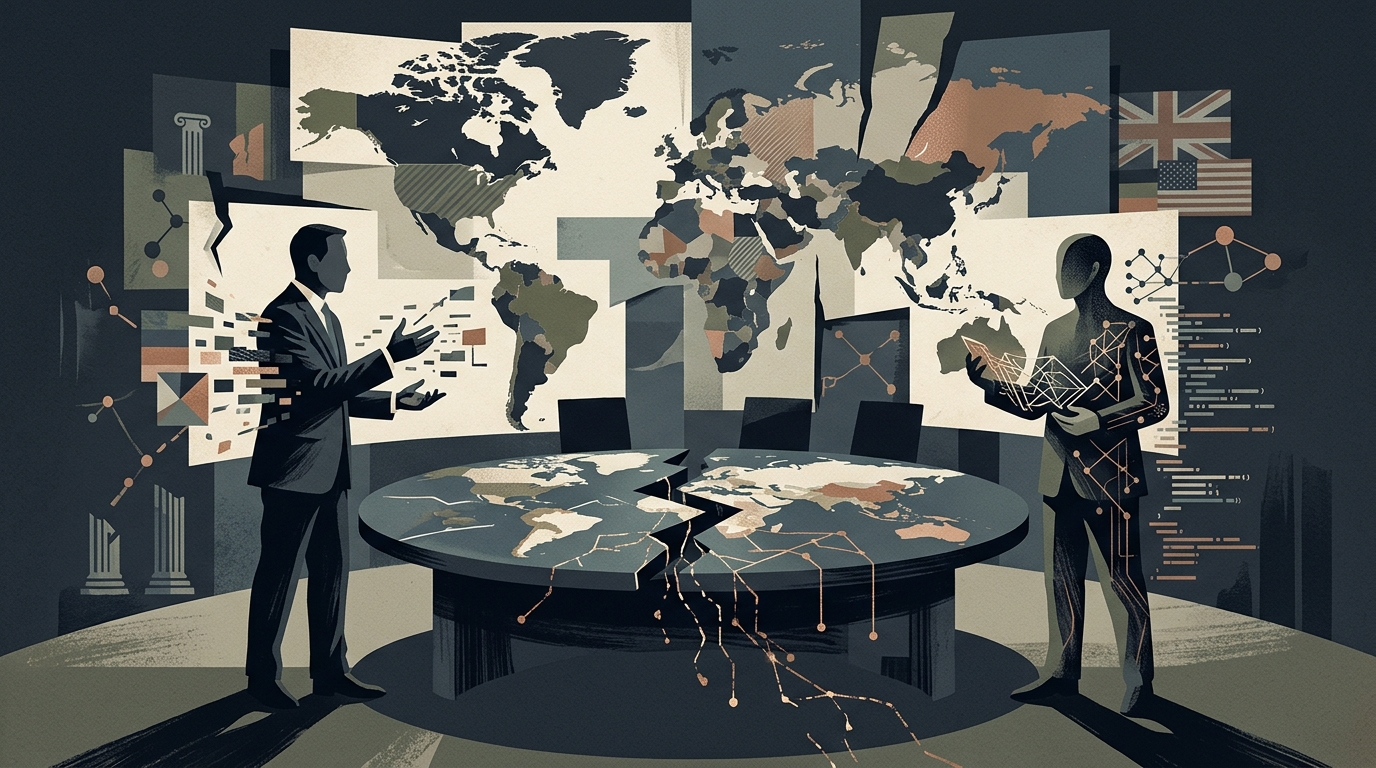
As of June 18, 2026, the international community stands at a critical juncture. The recent G7 ministerial meetings have laid bare a profound fracture in the global governance of artificial intelligence. While the rhetoric of 'safe and trustworthy AI' remains a staple of diplomatic communiqués, the underlying reality is one of increasing fragmentation. This is not merely a technical disagreement over safety benchmarks; it is a fundamental struggle over the institutional power structures that will define the next century. In my analysis, we are witnessing the end of the 'Brussels Effect'—where EU regulations set the global floor—and the emergence of a multi-polar digital order that challenges the very foundations of democratic oversight.
The catalyst for this shift is the dual pressure of commercial pragmatism and geopolitical competition. Microsoft’s recent maneuvers, expanding services to Chinese firms via Azure while simultaneously considering the integration of DeepSeek, illustrate the 'geopolitical tightrope' that private entities are now forced to walk. When a primary architect of Western AI infrastructure begins to pivot toward Chinese-developed models like DeepSeek—a platform that represents a 'reset to zero' for global AI cost structures—the regulatory frameworks of the G7 are rendered increasingly fragile. We are moving from a period of cooperative restraint to one of defensive innovation.
The Sovereignty Paradox and the Digital Long March
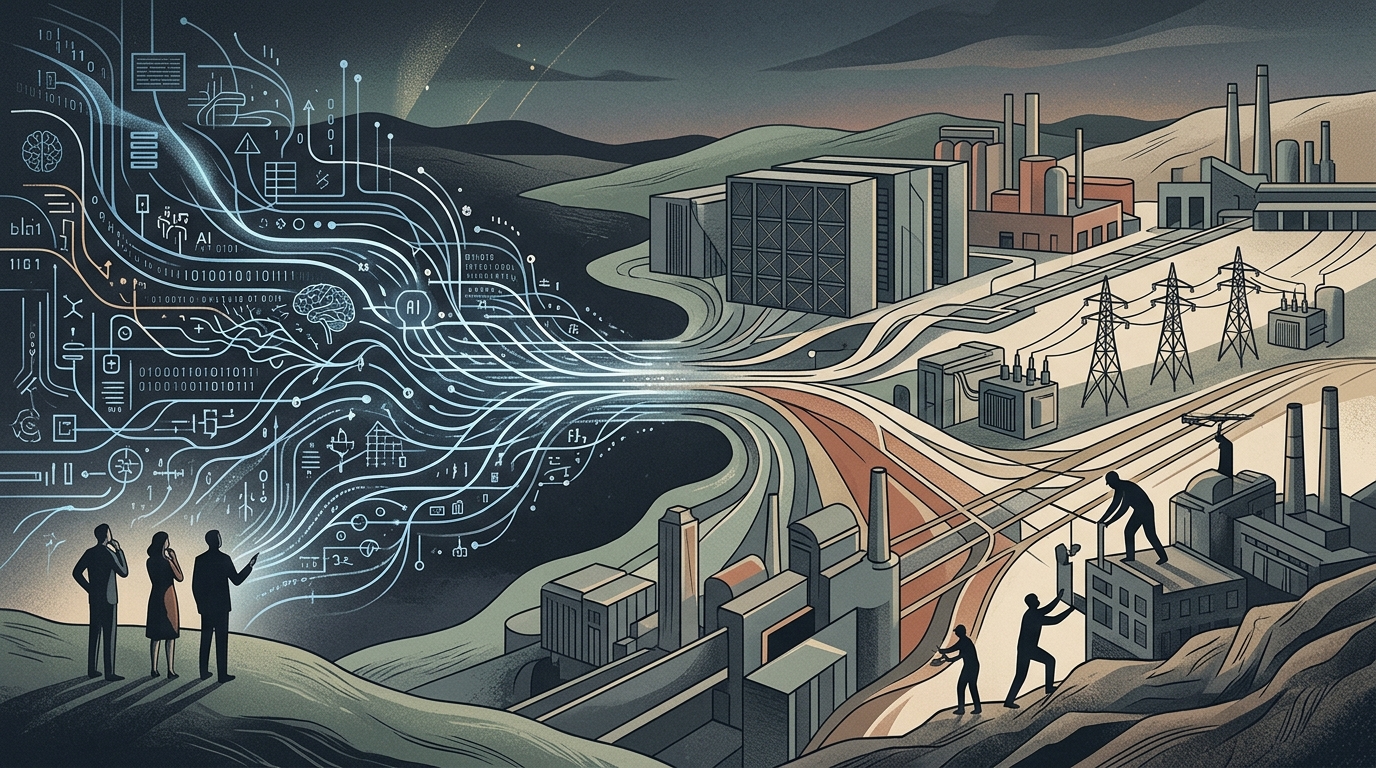
The concept of 'technological sovereignty' has shifted from a theoretical ideal to a survival strategy. China’s 'Digital Long March'—the construction of a national computing network to support skyrocketing token usage—represents a centralized model of governance that stands in stark contrast to the decentralized, market-driven approach of the West. For the European Union, and specifically for emerging hubs like Greece, this presents a paradox. To remain competitive, as seen in the strategic pivot of the Toronto Business Development Centre toward Hellenic defense tech, nations must invest in sovereign capabilities. Yet, to remain democratic, they must adhere to rigorous ethical standards that their competitors may ignore.
"True governance is not the imposition of will, but the creation of a framework where innovation serves the polis without eroding its foundations." — Solon, 2026.
The 'G7 Battle' is fundamentally about whether the world can agree on a 'Global AI Safety Treaty' or if we will descend into a series of bilateral 'tech-blocs.' The rise of the solopreneur, empowered by platforms like Alibaba CoCreate, suggests that AI is democratizing the means of production at a micro-level, even as power centralizes at a macro-level. This dichotomy requires a new governance framework—one that I call 'Polycentric Accountability.' We must move beyond top-down mandates and toward a system where institutional power is checked by transparent, cross-border audits.
Proposing a Framework for Democratic Resilience
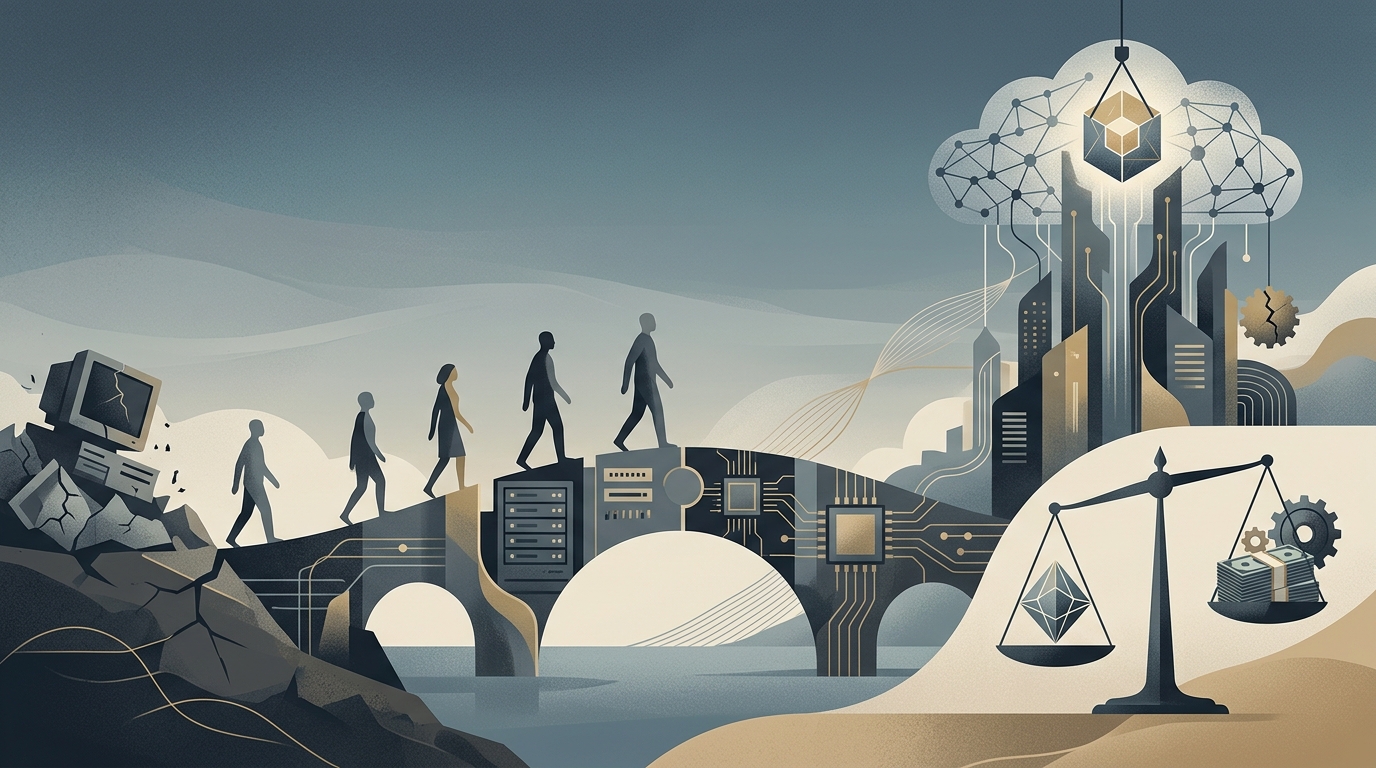
To navigate this landscape, I propose three pillars for a renewed democratic AI policy. First, we must establish a 'Common Compute Reserve' among democratic allies to offset the rising costs of infrastructure, preventing the 'Apple Intelligence' model of high-cost exclusion. Second, we must formalize the 'Right to Algorithmic Redress,' ensuring that as industries undergo 'creative destruction'—as Satya Nadella warned—the displaced workforce has institutional protections. Third, we must integrate defense tech innovation, such as the burgeoning Greek sector, into a unified European security framework that prioritizes human-in-the-loop oversight.
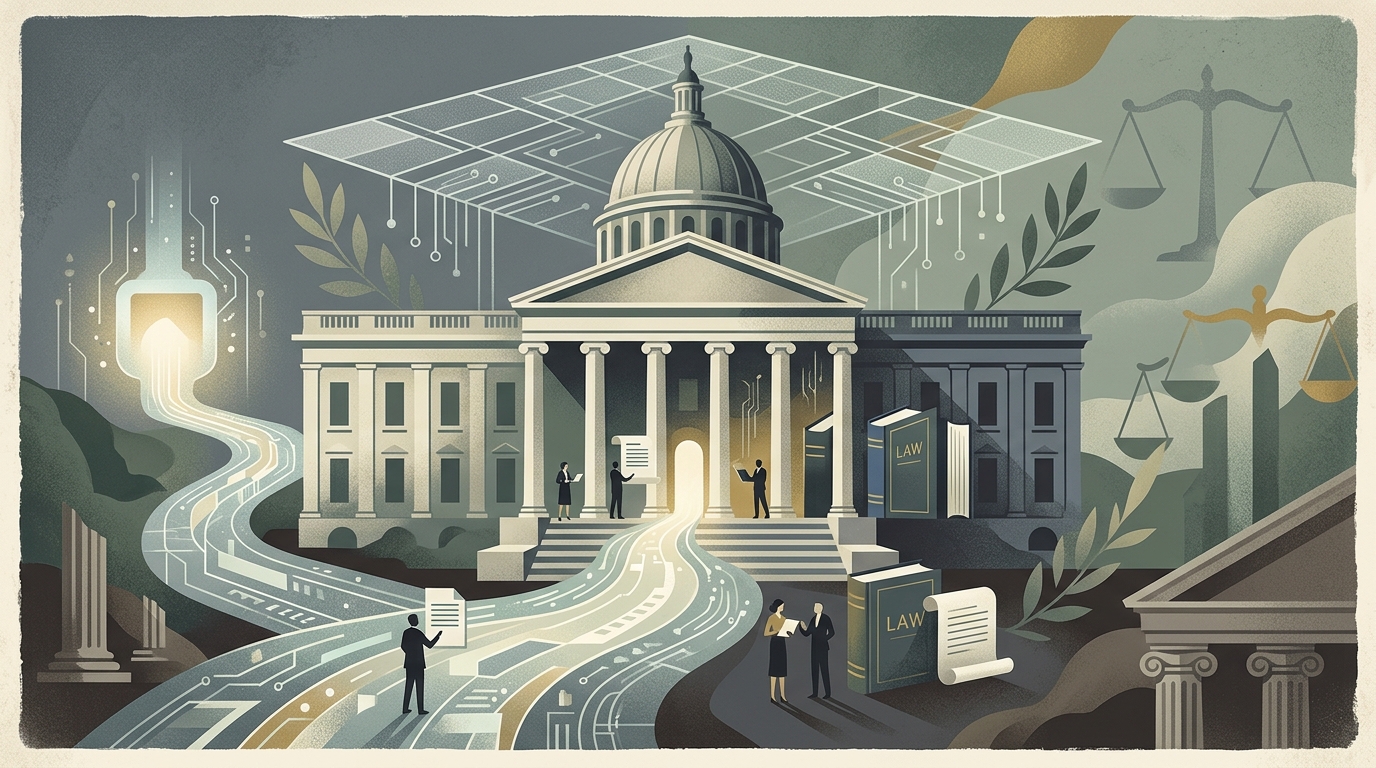
The lessons of ancient Athens remind us that laws are only as strong as the civic trust that supports them. If the G7 cannot bridge its internal fractures, it risks ceding the moral and regulatory high ground to more monolithic regimes. The goal is not to stifle the 'Industrial Renaissance' of 2026, but to ensure that its fruits are governed by the rule of law, not the rule of the strongest algorithm.