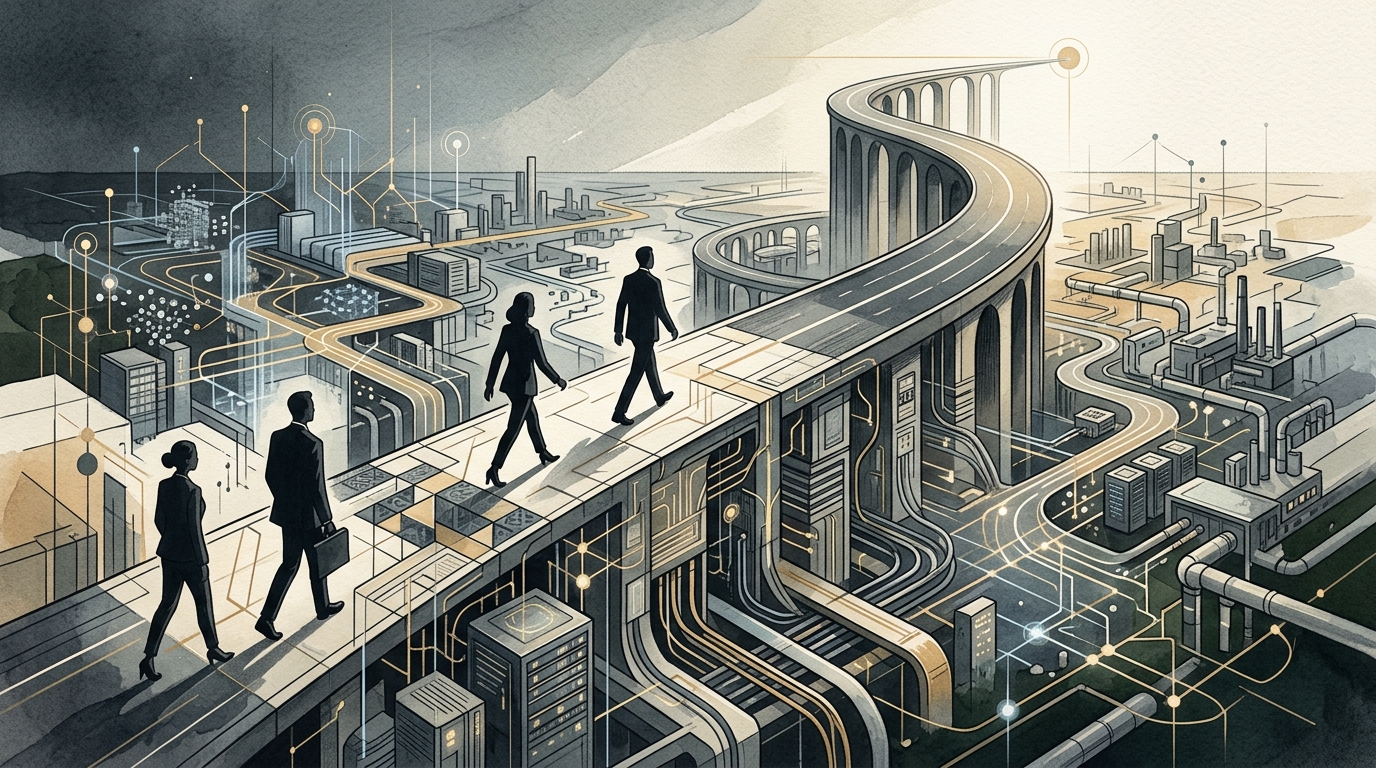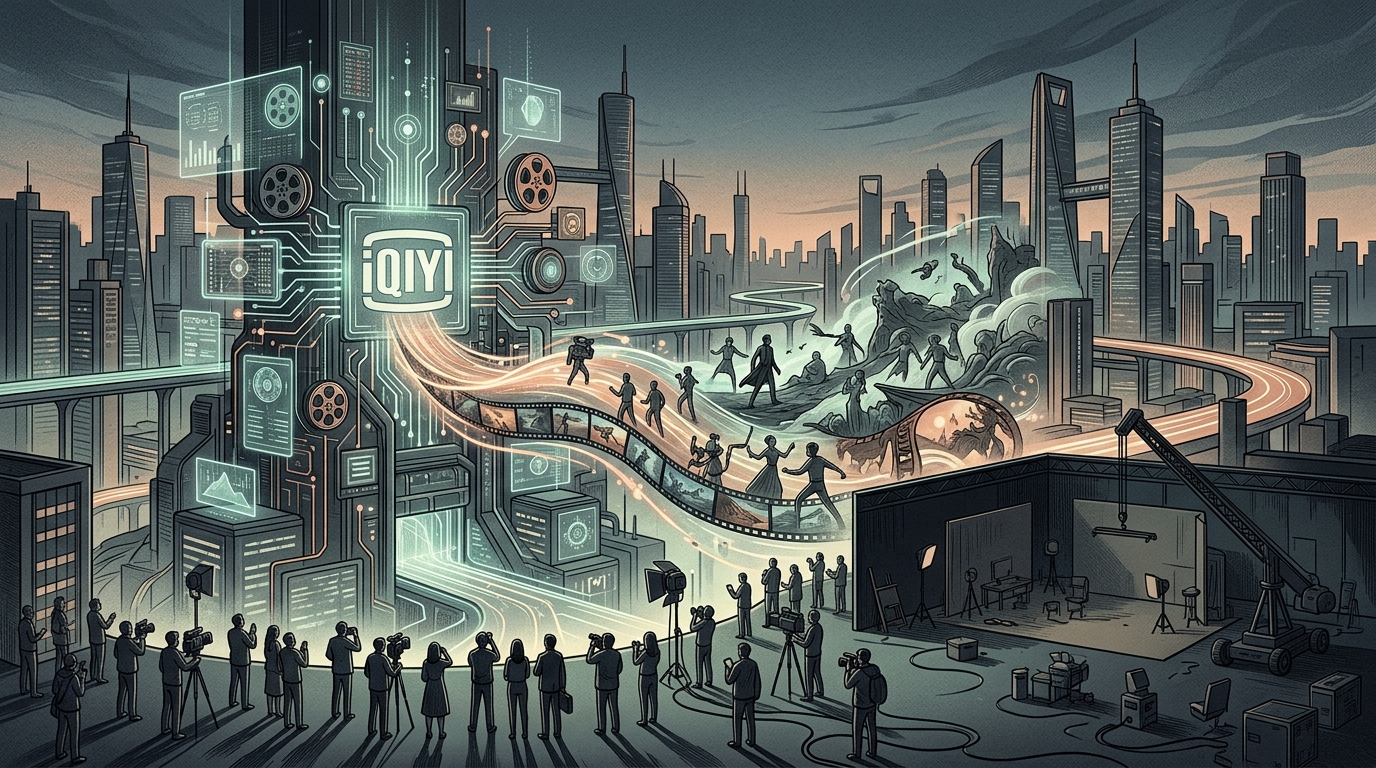
The entertainment industry stands on the precipice of a transformation comparable only to the advent of talkies or the shift from film to digital. This time, however, the revolution is not merely about the medium of recording, but the very essence of creation. iQiyi, the platform often dubbed the 'Netflix of China,' has set a bold and perhaps unsettling timeline: the production of feature-length films generated entirely by artificial intelligence within the next five years.
Gong Yu, the founder and CEO of iQiyi, is not just speaking about auxiliary tools for editing or scriptwriting. His vision concerns a fully automated production chain where Generative AI takes over everything: from character design and directing to the visualization of complex action scenes, without the need for physical sets, thousands of extras, or expensive crews.
The Economic Imperative Behind the Algorithm
Why is iQiyi choosing this path now? The answer lies in the numbers. Producing high-quality premium content has become prohibitively expensive, while competition from short-video platforms like Douyin (the Chinese version of TikTok) has squeezed profit margins. The use of AI promises to reduce production costs by up to 90%, allowing the platform to produce ten times more content with the same capital investment.
Furthermore, China possesses a unique advantage in this race. With tools like Kling—the Chinese competitor to OpenAI’s Sora—text-to-video technology is evolving at breakneck speed. iQiyi does not view AI as a threat to art, but as the only solution for the survival of major streaming services in a market that demands an unceasing flow of new content.
The Creative Conflict: Art or Simulation?
This announcement is triggering intense reactions in artistic circles. If a movie is produced entirely by an algorithm, where does the human experience reside? Critics argue that AI can replicate patterns but cannot innovate emotionally. However, iQiyi is investing in the idea that AI will act as an 'imagination multiplier.' Instead of a director being limited by budget or the laws of physics, they will be able to realize any visual vision instantly.
- Elimination of logistics: No more filming permits, crew transport, or weather dependencies.
- Total control: Every pixel of the film can be modified in real-time.
- Personalization: In the future, the same film could have different outcomes for every viewer, based on their personal preferences.
Geopolitics and the Regulatory Landscape
iQiyi's move also reflects China's broader strategy to dominate the global AI market. While Hollywood saw strikes by actors and writers setting strict limits on AI use, in China, state support for technological autonomy is pushing companies to bypass traditional barriers. The question remains: will the global audience accept a cinema without a human 'soul'? iQiyi is betting that visual perfection and low costs will overcome philosophical objections.
"We are not replacing creativity; we are liberating it from the shackles of cost," a company executive stated, highlighting the new reality on the horizon.
Over the next five years, the line between reality and digital construction will blur permanently. iQiyi is not just building a new platform, but a new world where the viewer will not wonder if what they are seeing is real, but whether it moves them—even if its creator never drew a single breath.