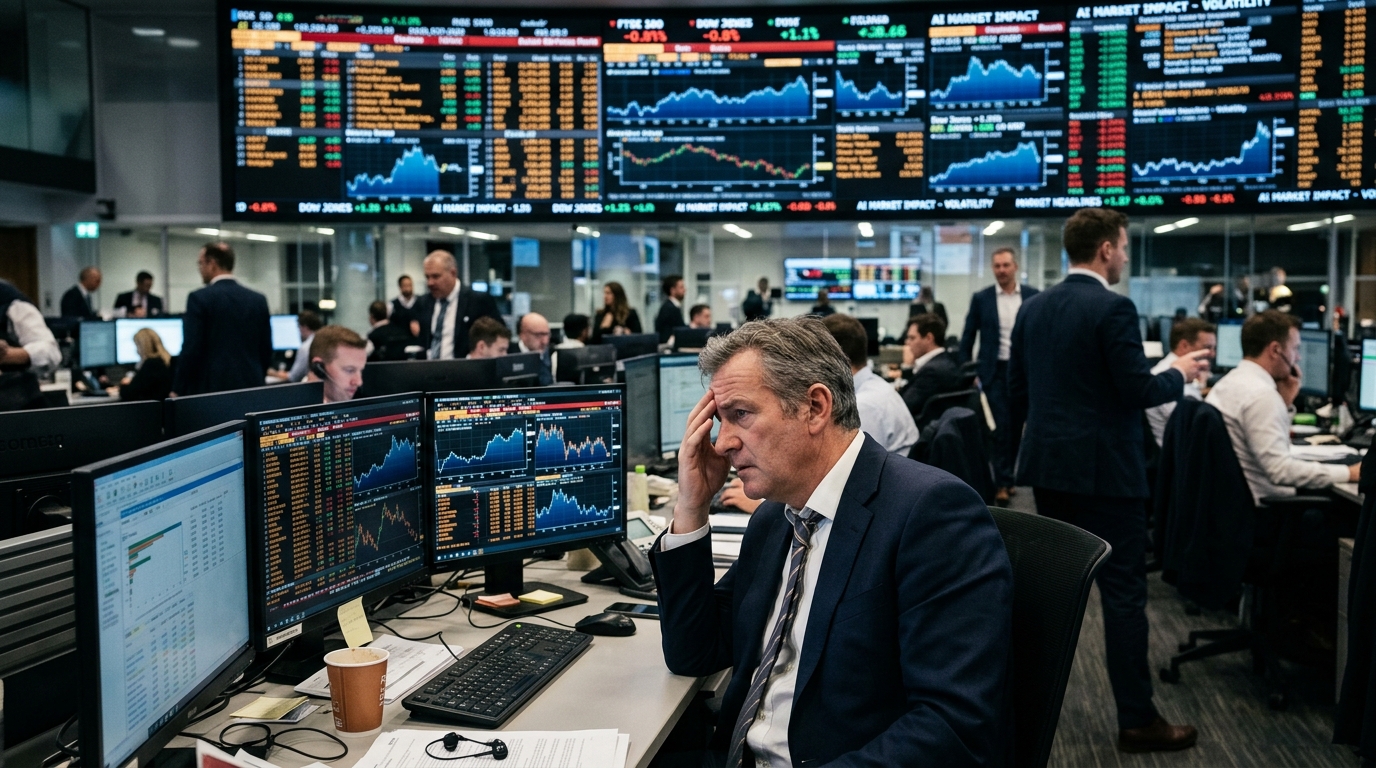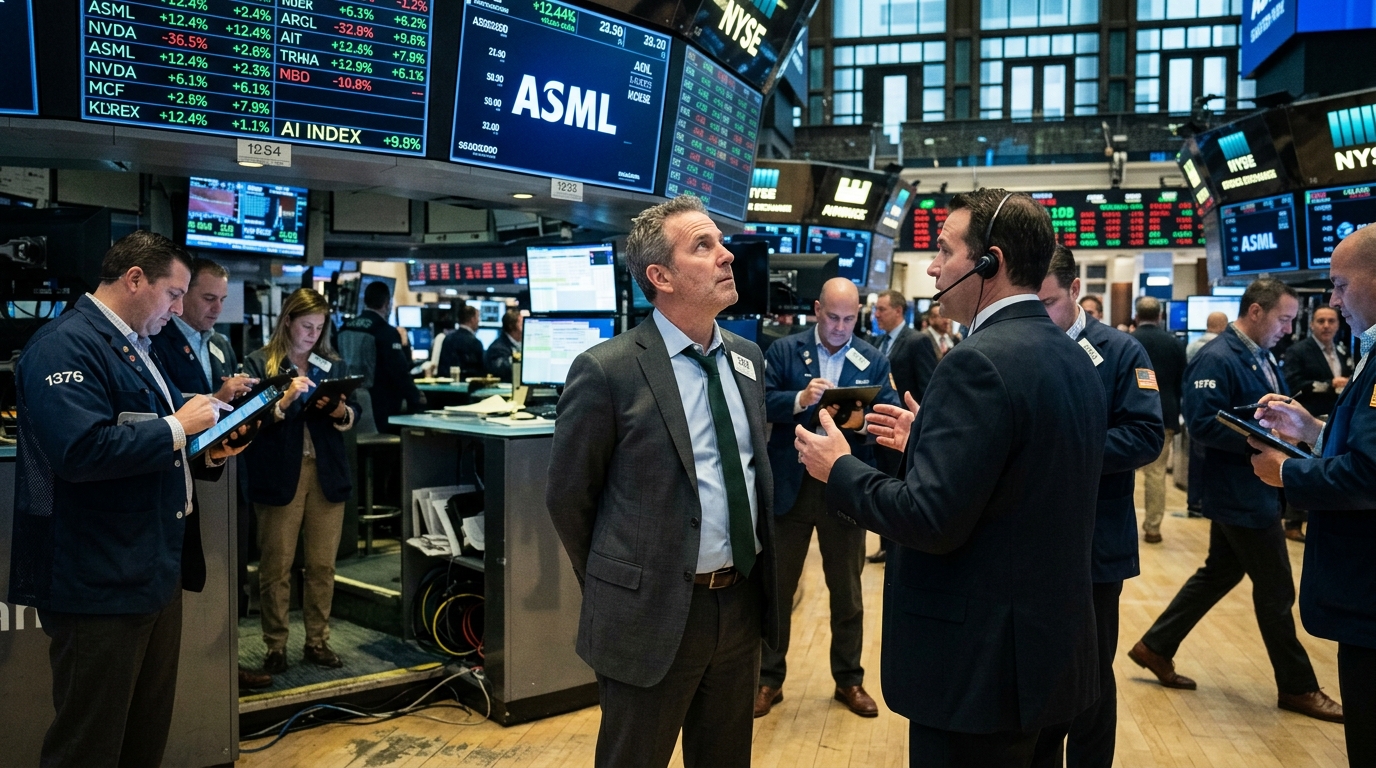
In the heart of Veldhoven, a quiet town in the Netherlands, sits the most critical factory of the 21st century. ASML, the only company in the world capable of manufacturing Extreme Ultraviolet (EUV) lithography machines, recently announced its financial results for the first quarter of 2026, sending a resounding message to international markets: the Artificial Intelligence (AI) "supercycle" is not just holding steady—it is entering a phase of unprecedented escalation.
For the uninitiated, ASML does not make chips. It builds the machines that *make* the chips. Without its technology, NVIDIA, Apple, and TSMC would remain trapped in the architectures of the past. The latest data shows an explosive surge in orders for the new High-NA EUV systems, which cost upwards of $350 million each. This demand serves as the most reliable leading indicator for what tech giants are planning for the next five years.
Anatomy of a Supercycle: Why This Time Is Different
Many analysts were quick to compare the current AI craze to the dot-com bubble of 2000. However, ASML’s fundamentals tell a vastly different story. Unlike 2000, where investments were based on promises of future profits, today’s supercycle is fueled by tangible infrastructure needs. Hyperscalers (Microsoft, Google, AWS) are spending billions constructing data centers that require the next generation of semiconductors to function.
- Monopolistic Power: ASML holds a 100% market share in EUV, making it the ultimate gatekeeper of supply.
- The High-NA Transition: The adoption of next-gen lithography allows for even higher transistor density, essential for GPT-5 class models and beyond.
- Geopolitical Security: The shift toward domestic manufacturing in the US and Europe (via the Chips Acts) creates an artificial but potent demand for new fabrication equipment (fabs).
ASML’s strategic importance transcends financial metrics. It is the "choke point" through which any company wishing to dominate the digital age must pass. The company’s gross margin expansion to 54% suggests that its customers are willing to pay almost any price to secure delivery priority.
The Winners of Tomorrow: Which Stocks Benefit?
With ASML setting the pace, the investment landscape is becoming clearer. Analysts point out that the upside isn't limited to hardware manufacturers. There is a chain reaction affecting the entire ecosystem. TSMC remains the obvious partner, as ASML’s largest customer and the primary foundry for NVIDIA.
"We are not just seeing an increase in demand, but a structural shift in how humanity consumes computational power," states the Globe and Mail report.
However, the real opportunities may lie in "secondary" players. Companies specializing in data center cooling—essential due to the immense heat generated by AI chips—and energy production firms are seeing their valuations soar. AI is no longer just a matter of code; it is a matter of physical infrastructure, electricity, and silicon.
Geopolitical Risks and the Shadow of China
Despite the euphoria, the path forward is not without hurdles. ASML sits at the center of the trade war between the US and China. Export restrictions on advanced machinery to China have deprived the company of a significant revenue stream, but Western demand has more than filled the void. The question remains: can the global economy sustain such a concentration of technological power in a single firm?
China, for its part, is investing billions to develop its own lithography technology. While they are currently years behind, history has shown that isolation often breeds innovation. For now, ASML remains the undisputed king, but the geopolitical chessboard is more volatile than ever.
Conclusion: A World Built on Light
As we head into the second half of 2026, the picture is clear. Artificial Intelligence is not a passing fad; it is the new electricity. ASML, using light to etch the future onto silicon, confirms that the supercycle is here to stay. For investors, the challenge is no longer determining *if* AI will prevail, but identifying the parts of the value chain that remains undervalued in the face of this tectonic shift.