The global manufacturing landscape stands on the precipice of a new era, where the boundaries between the digital and physical worlds are becoming increasingly blurred. The recent announcement of the strategic partnership between Siemens and Nvidia is not merely a business deal; it is a fundamental step toward the full automation of production through humanoid robotics. As labor shortages and the demand for precision intensify, the union of Siemens' industrial expertise with Nvidia's computational power promises to redefine the very concept of a "factory" in the 21st century.
The Convergence of the Industrial Metaverse and AI
At the heart of this revolution lies the Siemens Xcelerator platform and Nvidia Omniverse. Siemens, a leader in Product Lifecycle Management (PLM) software, is integrating Nvidia’s real-time photorealistic rendering and simulation capabilities. This creates what experts call the "Industrial Metaverse." It is a digital space where entire production lines can be designed, tested, and optimized before a single bolt is turned in the physical world.
The use of "Digital Twins" allows humanoid robots to be trained in virtual environments. Using reinforcement learning techniques within the Omniverse, robots can learn complex tasks—from assembling delicate components to transporting heavy loads—in a fraction of the time required in the real world. This "Sim-to-Real" process drastically reduces the costs and risks associated with deploying robotic systems.
Why Humanoids? The Challenge of Brownfield Facilities
One of the most critical questions is why the industry is turning to humanoid robots instead of traditional robotic arms. The answer lies in infrastructure. Most factories worldwide are "brownfield" facilities, designed by humans for humans. They feature stairs, corridors of specific widths, and hand tools that require human anatomy to operate effectively.
- Flexibility: Humanoid robots can navigate spaces that are inaccessible to wheeled robots.
- Adaptability: They can switch work roles without requiring a redesign of the production line.
- Interaction: Their ability to use tools designed for humans reduces the need for specialized equipment.
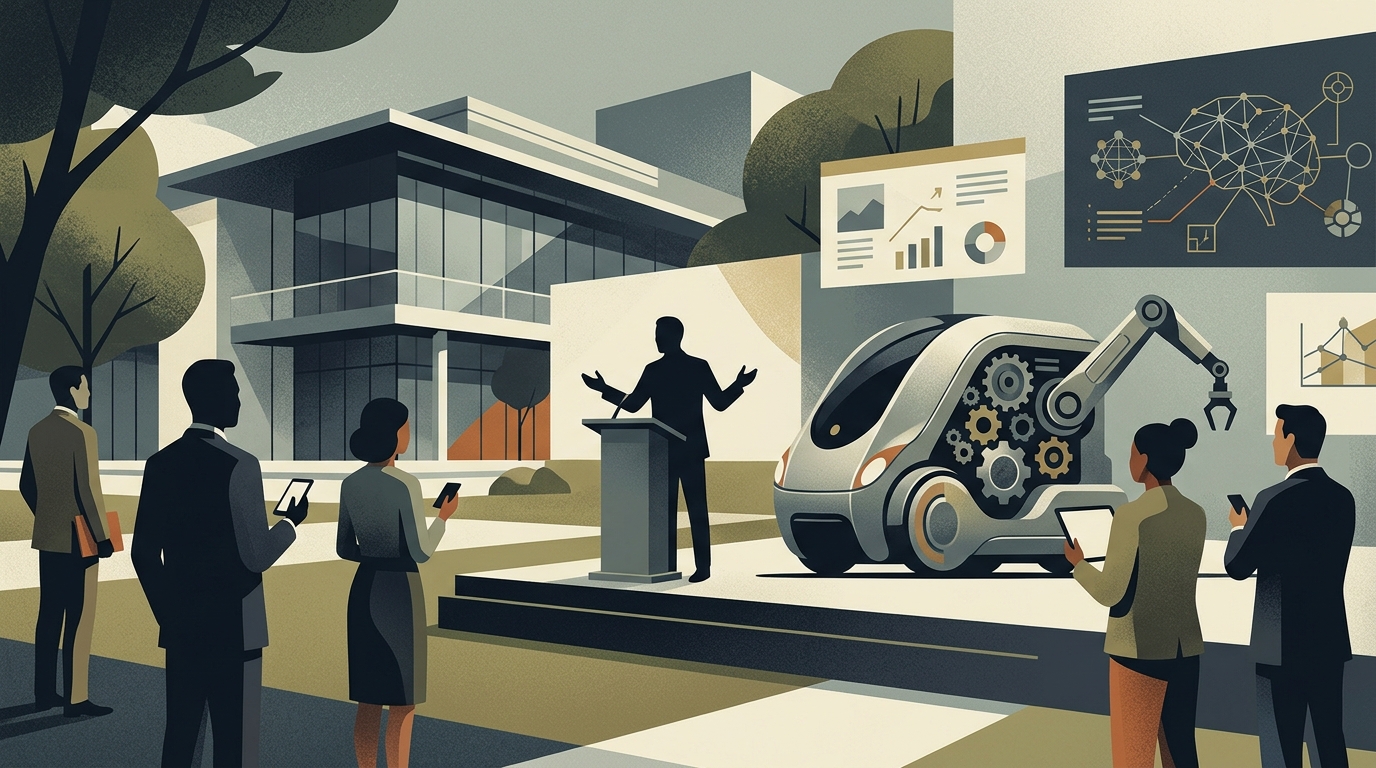
Siemens and Nvidia aim to give these robots a "brain" through Generative AI. Robots will no longer follow predefined lines of code; instead, they will be able to understand natural language and react to unpredictable changes in their environment, making them true partners to human workers.
"AI is no longer just for the cloud. It is moving to the factory floor, where physics meets informatics, creating a new industrial reality," Nvidia executives state.
Economic and Social Implications
This move comes at a time when the global economy faces severe demographic challenges. In Europe and Japan, aging populations are creating job vacancies that traditional means cannot fill. The introduction of humanoid robots offers a solution that allows industries to remain competitive without having to relocate production to countries with low labor costs.
However, the challenge of transition remains. The need for workforce retraining is imperative. Factory workers of the future will not perform manual labor; they will supervise and maintain fleets of robots, acting more as "orchestrators" of production. Siemens is already investing in educational programs that prepare the workforce for this symbiotic relationship with technology.
The Future: From Automation to Autonomy
The vision of Siemens and Nvidia goes beyond simple automation. They aim for full autonomy. By using advanced sensors and the Nvidia Jetson platform, robots will gain spatial perception. They will be able to recognize objects, avoid obstacles, and collaborate with each other without centralized control. This level of intelligence will enable the creation of "self-healing" factories that adapt in real-time to market demands. This partnership is the boldest bet on the future of production, signaling the end of traditional manufacturing and the beginning of an era where intelligence is the primary product.