In an era where most economists are sounding the alarm over a global retirement crisis, Elon Musk has emerged to upend traditional economic theory. The billionaire founder of Tesla and xAI argues that the concept of saving for the future will soon become irrelevant, as Artificial Intelligence (AI) and robotics lead to a state of "absolute abundance."
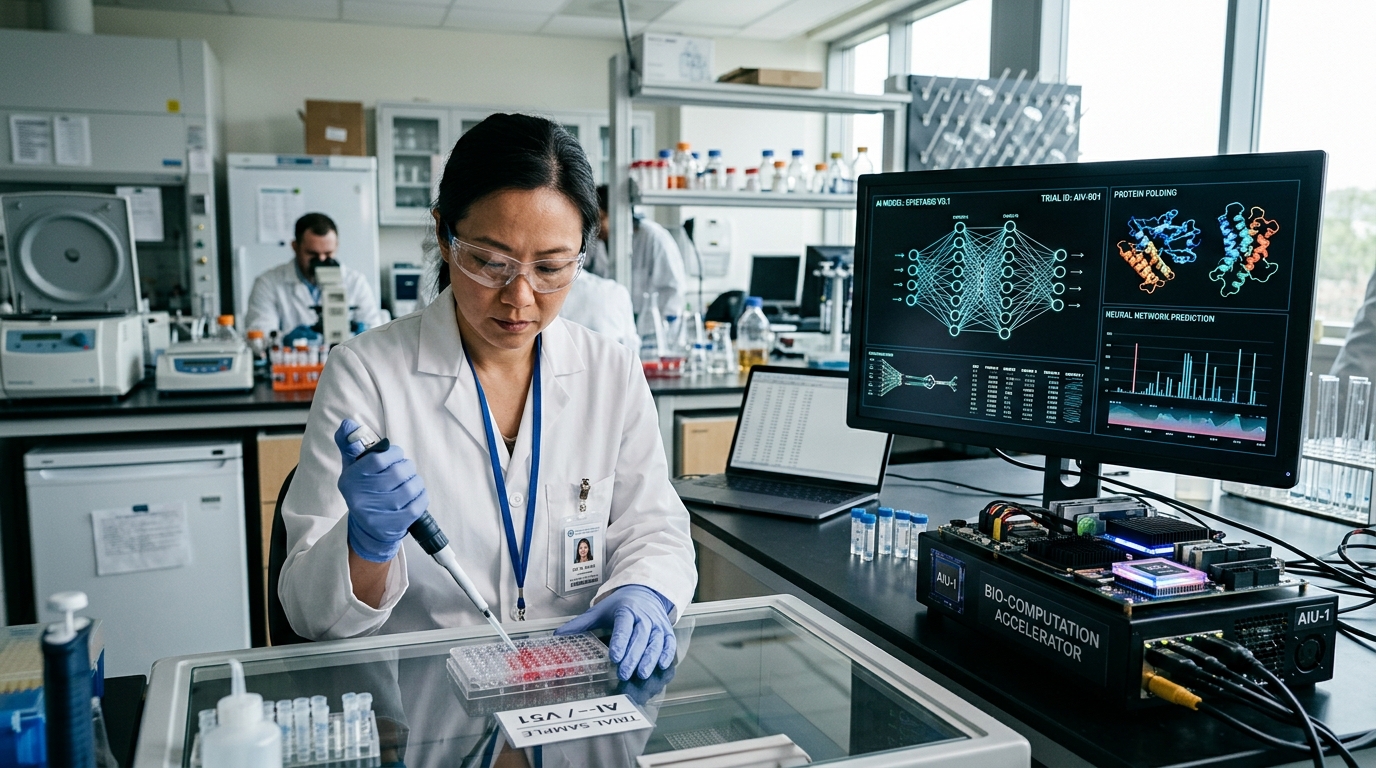
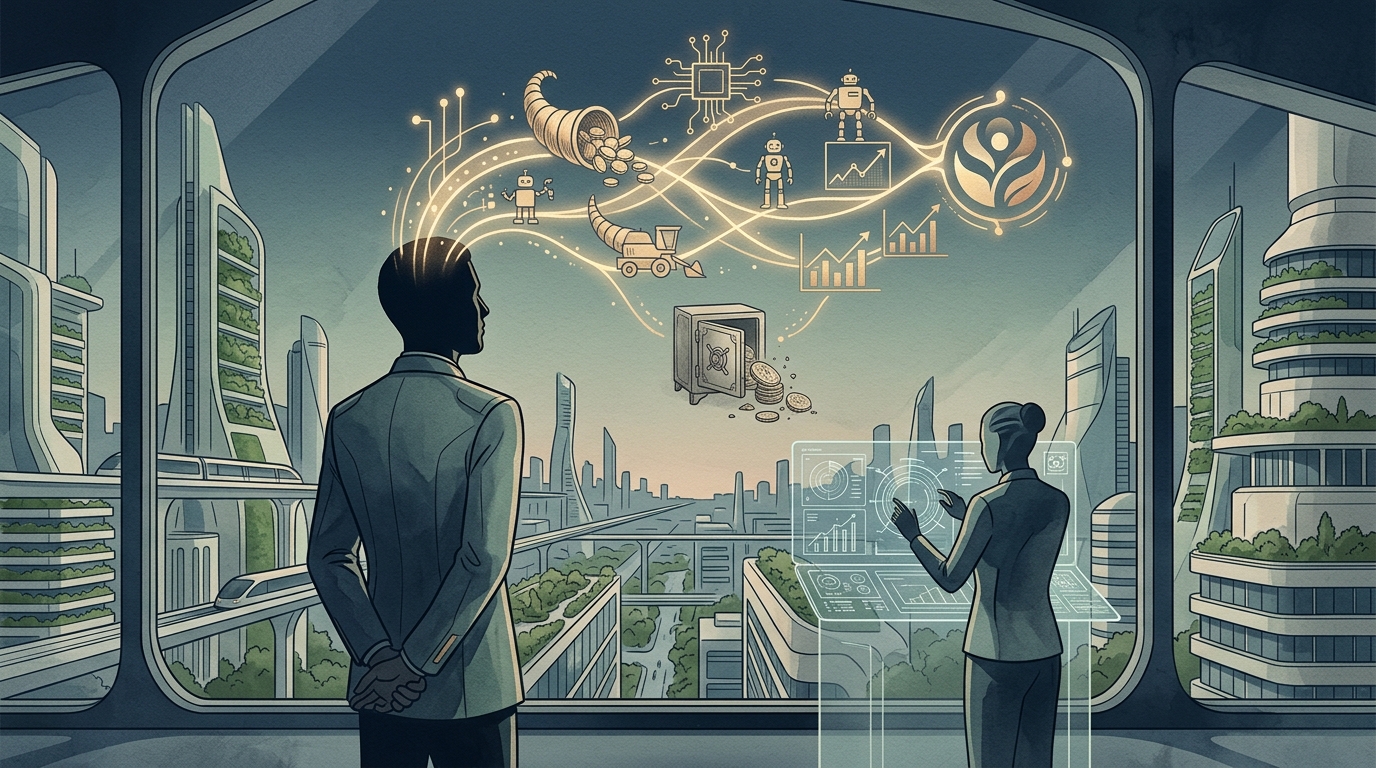
According to Musk, we are on the verge of a "supersonic tsunami" of technological progress. His core thesis is simple yet radical: if the cost of labor drops to zero thanks to humanoid robots and autonomous intelligence, then the cost of goods and services will also collapse. In this scenario, scarcity—the cornerstone of capitalist economics—ceases to exist. "There will be no shortage of goods or services," he stated, implying that survival and comfort will no longer depend on accumulated personal wealth.
The Transition from Basic Income to 'Universal High Income'
Musk does not stop at predicting unemployment due to automation. Instead, he proposes an evolution of the Universal Basic Income (UBI) concept. He envisions what he calls "Universal High Income." In a world where robots produce everything from food to housing, humanity's productive capacity will be theoretically infinite. Therefore, the state or the economic structure itself could provide everyone with not just the necessities, but a life of luxury.
However, this utopian approach raises serious questions about the transition period. If workers today stop saving, relying on the promise of a future abundance that might be decades away, they risk finding themselves in a dire position. Economic history is full of technological revolutions that promised less toil but often resulted in a greater concentration of wealth in the hands of a few. Musk seems to overlook the political and social friction that will arise from the obsolescence of human labor.
The Challenge of Meaning and Purpose
Beyond the economic aspect, Musk touches a deep existential chord. If work is not necessary for survival and saving is pointless, what will be the purpose of human life? "The question will really be one of meaning—if AI can do everything you can do, but better, what is the point of doing anything?" he mused. This statement suggests that the greatest crisis of the future will not be material, but psychological.
Critics point out that Musk's predictions often serve as a distraction from current issues within his companies or present-day labor conditions. While the vision of abundance is captivating, the reality of inflationary pressure and the housing crisis in 2026 makes advice to stop saving dangerous for the average citizen. Relying on a "technological salvation" requires a leap of faith that many are not prepared to take.
The Geopolitics of Abundance
Finally, we must consider who will control the means of this abundance. If AI and robots are owned by three or four global giants, will "abundance" be distributed democratically or serve as a tool of absolute control? Musk's prediction assumes a radical restructuring of the social contract, which governments worldwide have not even begun to seriously discuss. The transition to a "post-work" world requires more than just technology; it requires a new ethical and political philosophy to precede the technological explosion.