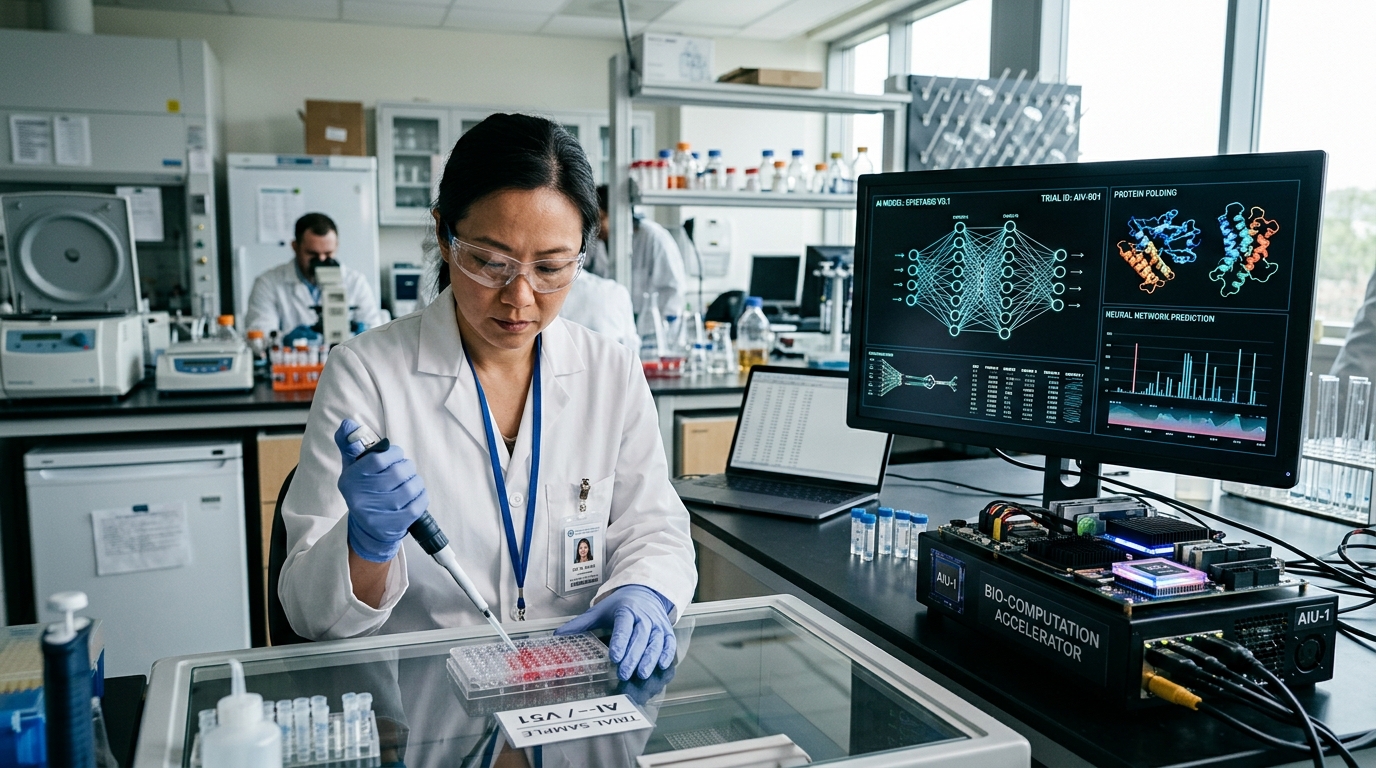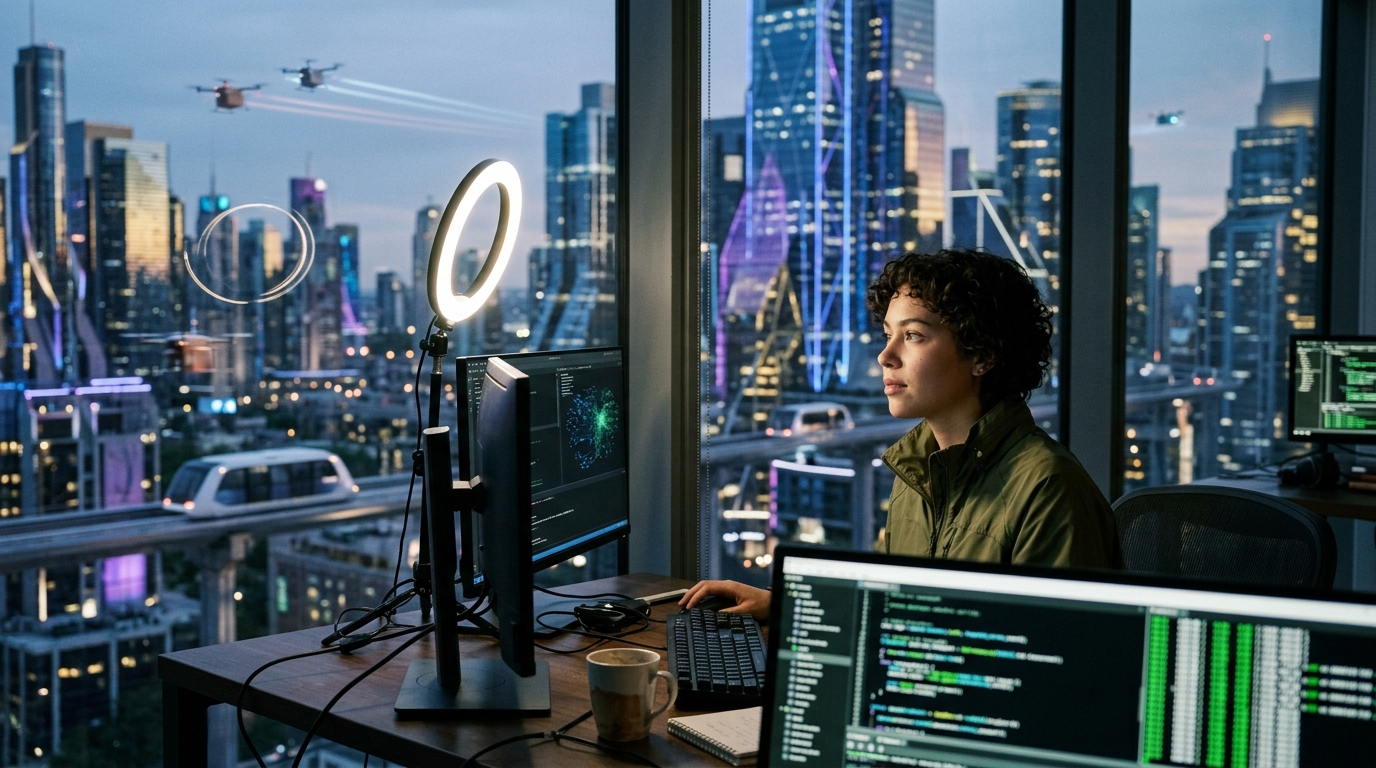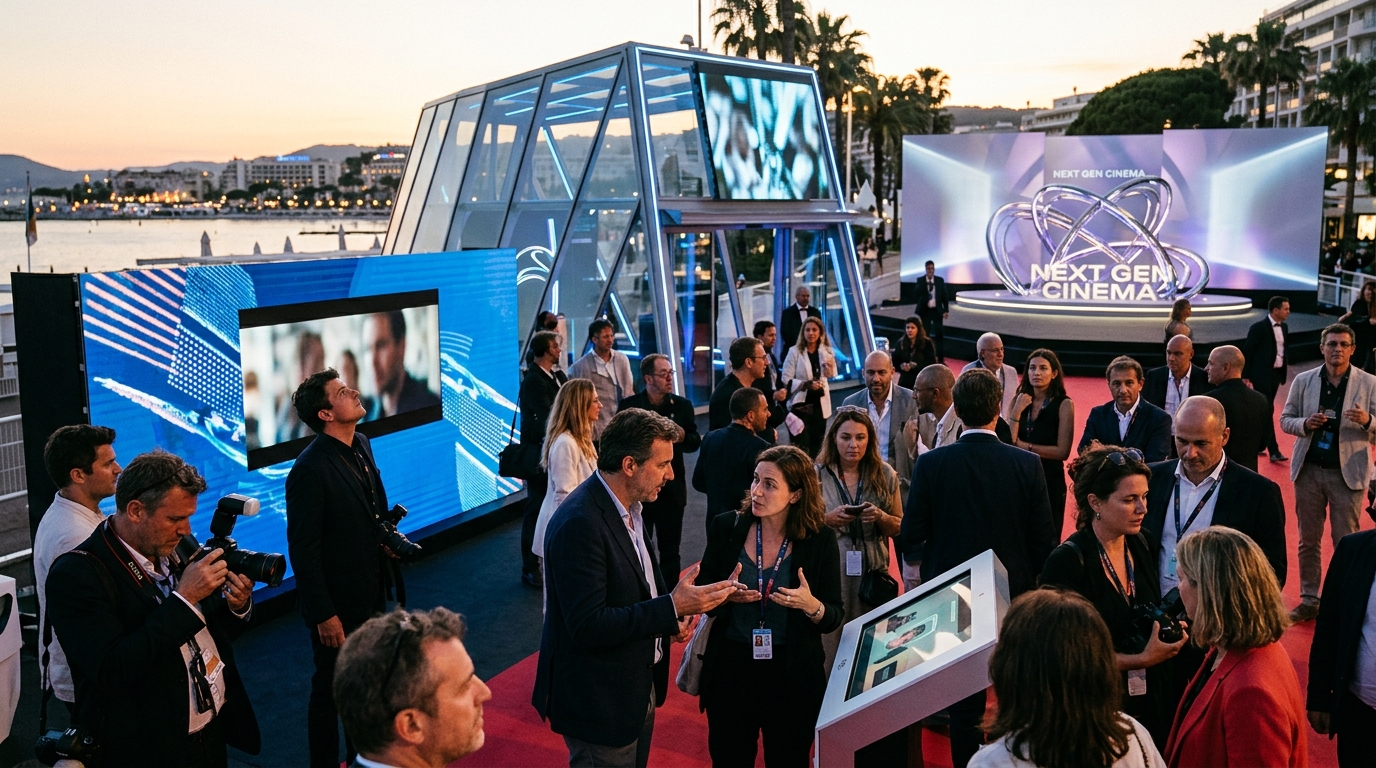
The Cannes Film Festival, the traditional bastion of cinematic purity, finds itself at the heart of a cultural and technological storm this year. The phrase "expanding the cinematic toolbox," echoed repeatedly within the halls of the Marché du Film, is no longer a futuristic promise but an immediate challenge to the establishment of the Seventh Art. The emergence of Generative AI tools is not merely changing how special effects are crafted; it is reshaping the fundamental structure of storytelling and production.
The Clash of Two Worlds on the Croisette
In the corridors of the Palais des Festivals, the atmosphere is electric. On one side, tech "evangelists" present AI as the ultimate democratic tool. They argue that a creator with a limited budget can now visualize worlds that previously required hundreds of millions of dollars and armies of VFX artists. On the other side, directors, screenwriters, and actors see a "mechanical menace" that threatens to homogenize art and reduce the human experience to a probability algorithm.
This year’s edition highlighted the sharp "fault lines" caused by AI. While traditional creators insist on the importance of "human error" and authentic inspiration, tech companies showcase models like OpenAI’s Sora or Runway’s Gen-3, which can produce photorealistic footage from just a few lines of text. The debate is no longer about whether AI will be used, but who will own the rights to the generated images and how artists' labor will be protected.
The Toolbox of the Future or Pandora's Box?
The concept of the "cinematic toolbox" is expanding at a dizzying pace. AI is already being used for de-aging actors, creating digital sets, and optimizing editing workflows. However, the transition from using AI as a supportive tool to using it as a primary creator causes both excitement and dread. At Cannes, presentations of short films created entirely with AI drew mixed reactions: admiration for technical prowess and skepticism regarding the lack of emotional depth.
- Democratization of creation: New creators gain access to high-level tools without the need for major studio backing.
- Copyright crisis: The issue of training AI models on protected material remains the biggest legal hurdle.
- Ethical dilemmas: Digitally reviving deceased actors or using deepfakes raises serious questions about the ethics of the image.
As many analysts note, the industry is at a turning point similar to the transition from silent films to talkies or from film to digital. The difference is that AI doesn't just change the medium; it changes the "creative core" itself.
Cultural Resistance and the Road Ahead
Despite technological pressure, Cannes remains a fortress of human creativity. Many top directors used the festival's platform to warn against "algorithmic flattening." Art, they argue, is an act of resistance and communication between humans—something a machine, no matter how advanced, cannot authentically replicate.
"Artificial intelligence can mimic style, but it cannot feel the pain or joy that leads to its creation," a prize-winning director remarked during a press conference.
The future of cinema will likely be decided in the synthesis. The "expanded toolbox" can offer incredible possibilities, provided that the human remains the architect and not just the operator. This year’s Cannes did not provide definitive answers, but it clearly mapped the front lines of a battle that will define the aesthetics of the 21st century.