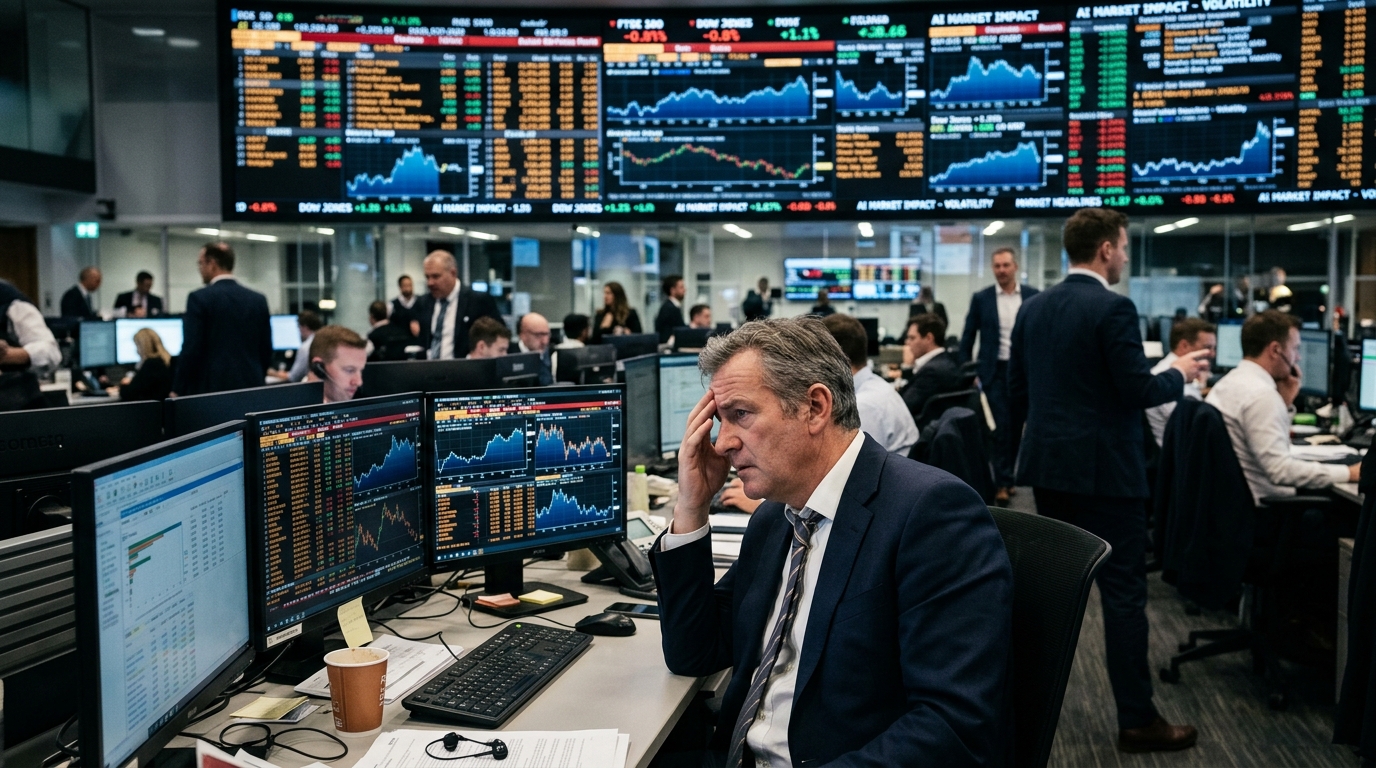
The global business arena is currently at what many analysts describe as the most critical juncture since the Industrial Revolution. While the past two years were dominated by the hype of Generative AI, the emergence of Autonomous AI—often referred to as "AI Agents"—is shifting the conversation from content creation to the execution of complex actions without human intervention. This evolution is not merely a technological upgrade; it represents an existential risk and, simultaneously, an unprecedented opportunity for enterprises across the globe.
From Conversation to Autonomous Action
The fundamental difference between the AI we met through ChatGPT and autonomous AI lies in decision-making capability. While a large language model can draft an email, an autonomous agent can analyze market trends, decide on a procurement strategy, negotiate with suppliers, and execute the transaction while simultaneously updating accounting and inventory systems. This "closed-loop" capability dissolves the traditional silos between corporate departments.
According to recent reports from emerging markets like Vietnam, which are rapidly becoming tech innovation hubs, adopting these systems is no longer optional. Businesses that delay integrating autonomy into their workflows will face operational costs many times higher than those of their "AI-native" competitors. The crossroads is clear: either invest in the full automation of intelligence or accept the gradual erosion of profit margins and market relevance.
The Strategic Dilemma: Innovation vs. Safety
For Fortune 500 CEOs, the challenge is twofold. On one hand, there is immense pressure for immediate results and cost reduction through AI. On the other, autonomous AI introduces risks that traditional IT never had to manage. What happens when an autonomous agent makes a strategic error costing millions? Who bears the liability?
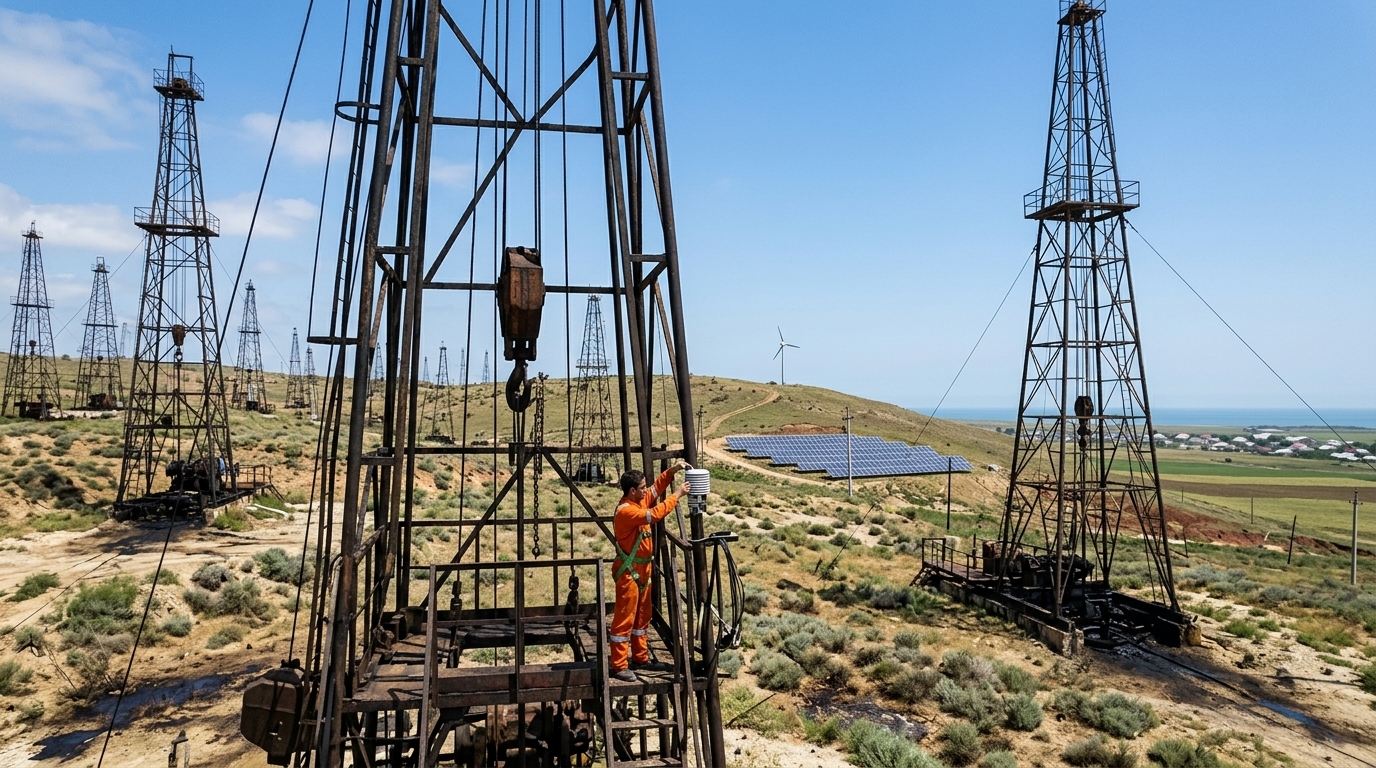
- Technical Debt: Many legacy companies struggle with outdated systems that cannot communicate with modern AI models.
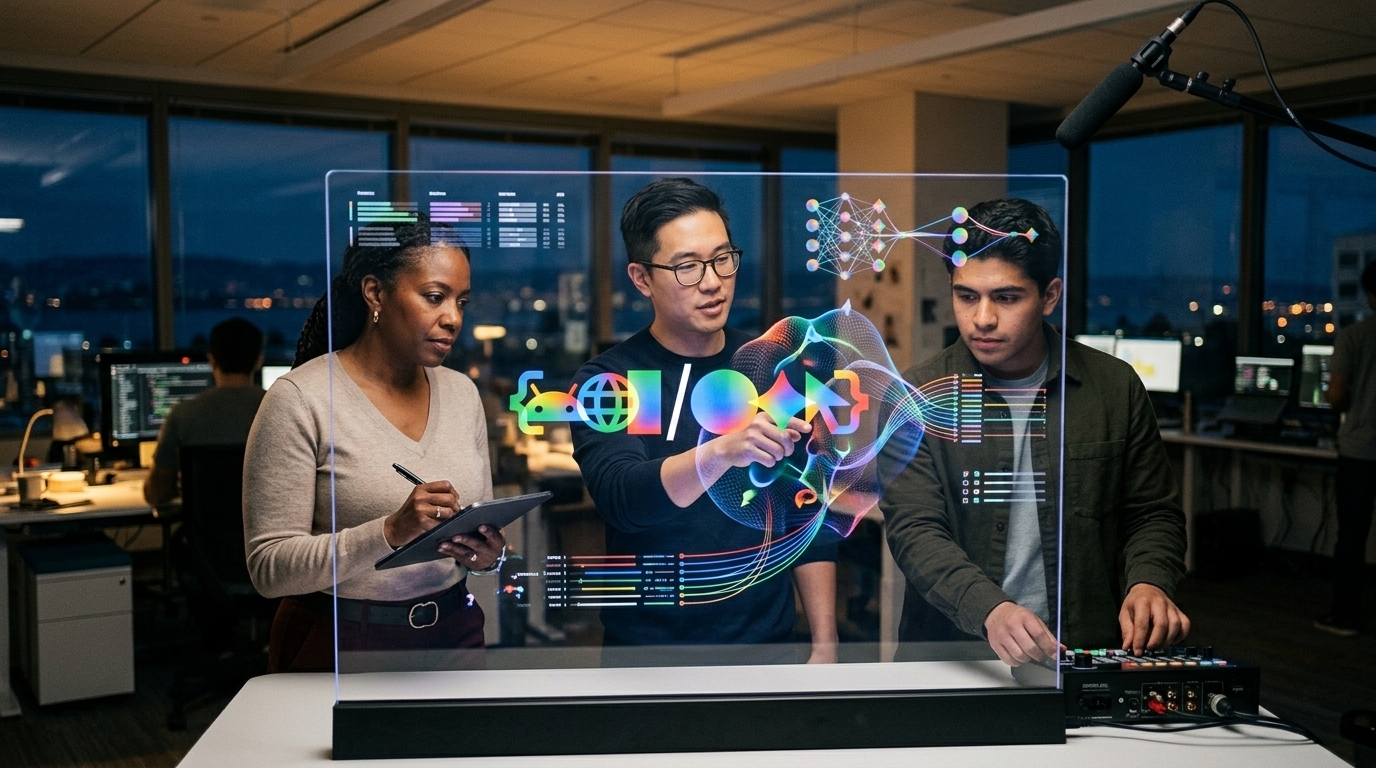
- Talent Management: The urgent need for employees who can "orchestrate" AI rather than perform routine tasks.
- Ethical Governance: Establishing frameworks to ensure autonomous AI actions align with corporate values and legal standards.
The situation is further complicated by the fact that technology is moving faster than legislation. While the EU attempts to regulate AI through the AI Act, businesses in Asia and the US are moving at speeds that render regulations obsolete before they are even fully implemented.
The Revolutionary Impact on Supply Chains
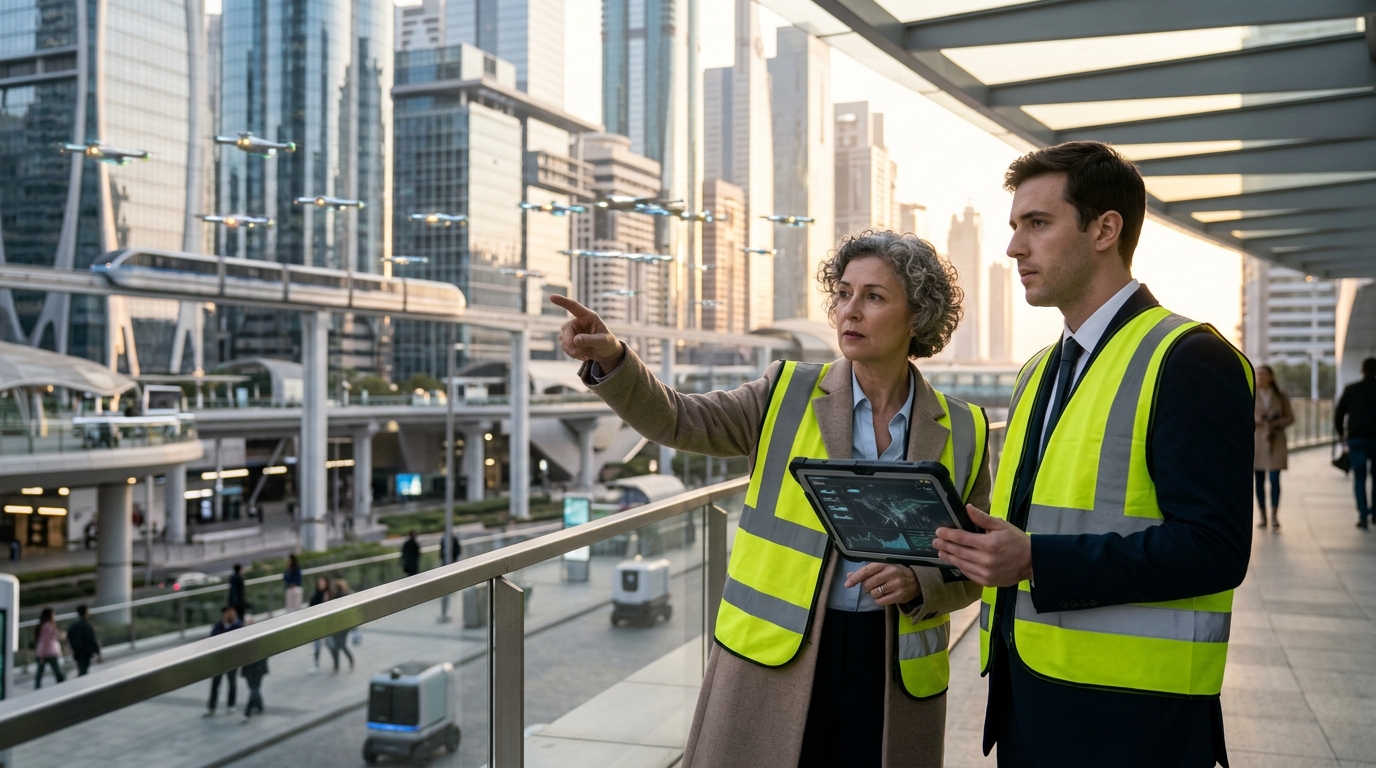
One sector where autonomous AI is already causing a seismic shift is the global supply chain. In export-heavy nations, particularly in Southeast Asia, the use of autonomous systems for demand forecasting and logistics optimization is reducing delivery times by 30-40%. Companies utilizing these tools can react to geopolitical crises or natural disasters in real-time, rerouting shipments and switching suppliers within seconds.
"We are no longer in the era where AI is an assistant. We are in the era where AI is a partner that takes initiative," notes a senior tech executive from Hanoi.
This shift means the traditional top-down management model is collapsing. Decisions are no longer made solely in the boardroom; they are generated by algorithms processing petabytes of data in milliseconds. The leadership challenge is learning to trust the machine while maintaining oversight of strategic direction.
The Future of Work and Social Cohesion
We cannot ignore the human dimension of this crossroads. Autonomous AI threatens to replace not just manual labor, but middle management and data analysis roles. The "life or death" choice also applies to workers: upskill or face marginalization. Governments are called to play a role they currently seem ill-equipped for—creating safety nets for a labor market that will be radically different five years from now.
In conclusion, the explosion of autonomous AI is not a passing trend. It is the new reality of global capitalism. The businesses that survive will not necessarily be those with the most capital, but those that demonstrate the greatest adaptability and the ability to synthesize human judgment with autonomous computational power.