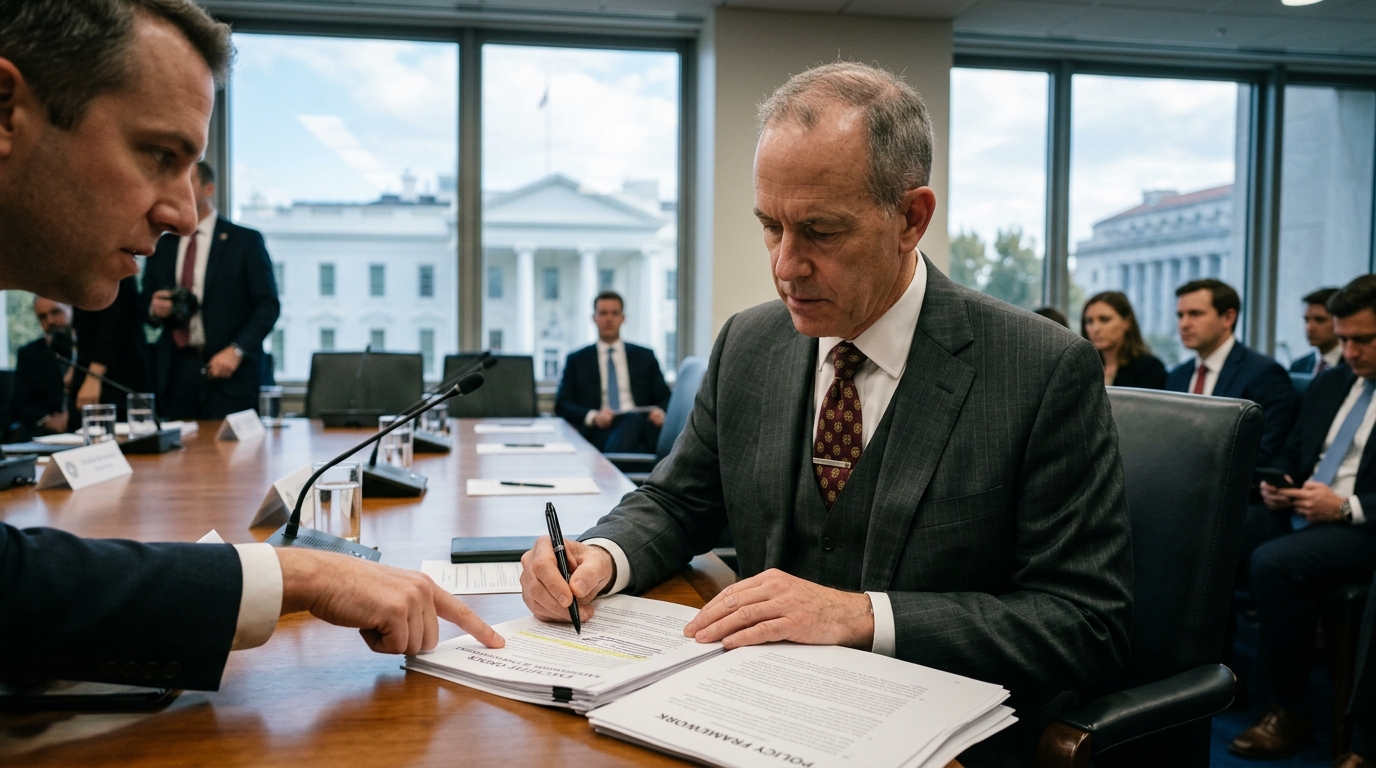
The imagery was textbook American political theater: a television spot featuring driving music, grainy border footage, and the blunt command to 'Remove illegals.' Yet, the revelation by The Washington Post regarding the funding behind this campaign sent shockwaves through both Washington D.C. and Silicon Valley. The benefactor was not a traditional conservative PAC, but the burgeoning and immensely wealthy AI lobby.
This development signals a radical shift in how tech titans and venture capitalists (VCs) exert political influence. For decades, Silicon Valley carefully curated a persona of progressivism and globalism. Today, in the high-stakes race for AI dominance, the masks are slipping, revealing a cynical realism where ideology is secondary to deregulation and lucrative government contracts.
The 'Cost of Influence' Strategy
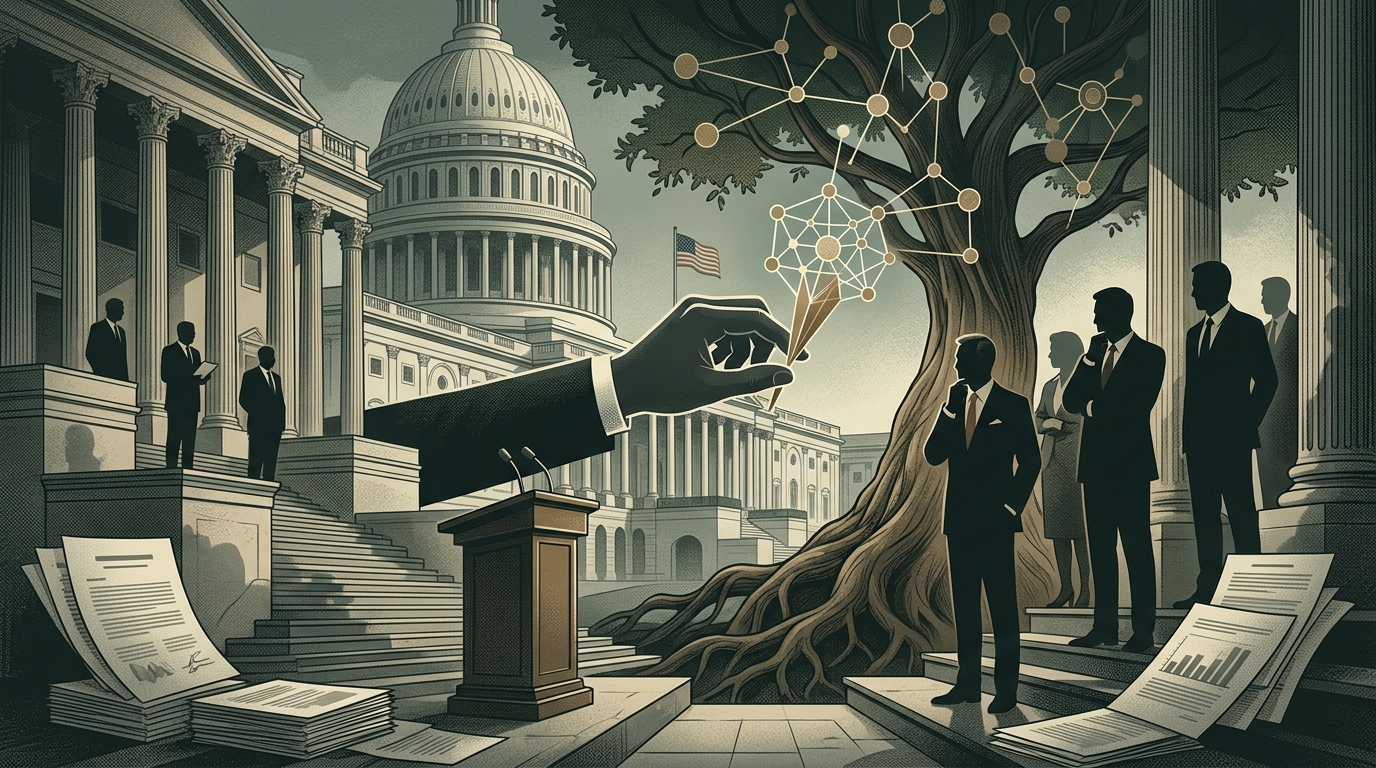
The question looming over the industry is simple: Why would a sector that thrives on global talent and open markets fund campaigns targeting immigrants? The answer lies in the legislative agenda. The AI lobby, led by figures such as Marc Andreessen and Ben Horowitz, appears to be adopting a 'transactional' strategy. By funding candidates and causes on the hard-right, they secure the loyalty of politicians who promise to stifle stringent AI safety regulations and algorithmic oversight.
According to analysts, this is a classic diversionary tactic. While public discourse is consumed by the volatile issue of immigration, lawmakers backed by these funds work quietly in the background to ensure the industry remains a 'Wild West.' The rhetoric regarding 'illegals' is merely the currency used to purchase political access in a deeply polarized America. It is not about the border; it is about the boardrooms.
The Erosion of Corporate Ethics
This exposure highlights the profound chasm between the public relations narratives of AI firms and their political reality. Many of these companies claim their mission is to solve global challenges and promote equity. However, financing divisive advertisements undermines the very social cohesion they claim to protect. Ethical considerations are being bypassed in favor of maintaining a competitive edge, particularly against China's technological advancements.
- Funding originates from PACs directly linked to AI executives and venture firms.
- Advertisements are strategically placed in swing states to maximize political leverage.
- The ultimate goal is to weaken regulatory bodies like the FTC and prevent AI safety mandates.
This practice is not without its perils. Employees within these tech firms, many of whom are first or second-generation immigrants themselves, are already expressing intense dissatisfaction. Internal unrest in Silicon Valley could prove just as damaging as any government regulation, as the loss of top-tier talent is the ultimate cost for any innovation-driven enterprise.
Toward a New Techno-Political Paradigm
We are witnessing the dawn of a new era of 'techno-politics.' The AI lobby is no longer concerned with traditional party lines; it is concerned with power. If funding a hardline anti-immigrant campaign is the price to pay to avoid a bill that mandates algorithmic transparency, AI 'barons' seem more than willing to foot the bill. This sets a dangerous precedent where technological progress is inextricably linked to political populism.
'Technology is no longer a neutral tool, but a primary actor shaping social reality in the crudest possible ways,' notes the Washington Post analysis.
In conclusion, the 'Remove Illegals' ad is just the tip of the iceberg. As AI becomes integrated into every facet of our existence, the influence of its creators over the political process will only become more aggressive. The challenge for modern democracy is to ensure that technological power does not transform into a tool of manipulation that sacrifices human rights on the altar of profit and deregulation.